

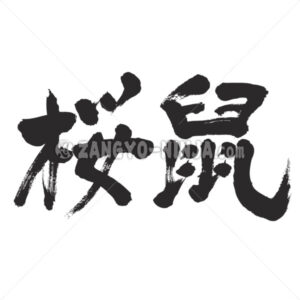
Sakura Nezumi est une couleur dont la fleur de cerisier est légèrement teintée de pourpre pâle, de gris ou de noir. On l'appelle aussi cerisier Sakura (Sumizome). Cette couleur, à laquelle on associe souvent ce nom, remonte au début de l'époque d'Edo, mais il semble que Sakura-Nezumi ait commencé à se répandre plus tard… Lire la suite
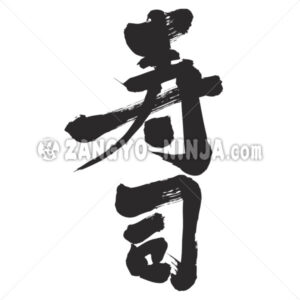
Description for Sushi foods Anything made with vinegared rice that also contain vegetables, spices, fish, or other delicacies.There are different kinds of “Sushi” and depending ON the locality. The most common is “Nigiri zushi” and originally produced in the Tokyo districet. Nigirizushi consists of small oval-shaped balls of rice seasoned with vinegar and sugar … Read More
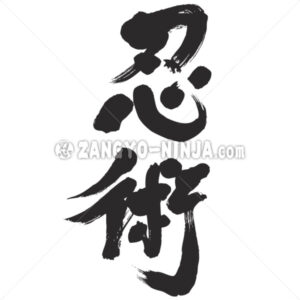
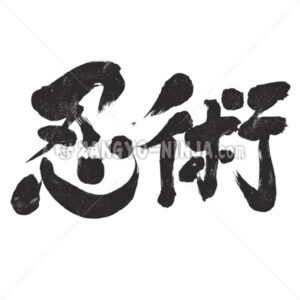
Special techniques used in military strategy during the samurai era. These techniques were used for purposes such as espionage, information gathering, plotting, and assassination, and involved disguises, invisibility, and trickery to take advantage of people’s weaknesses and act boldly and swiftly. The origins of these techniques can be found in China’s Sun Tzu’s Art … Read More
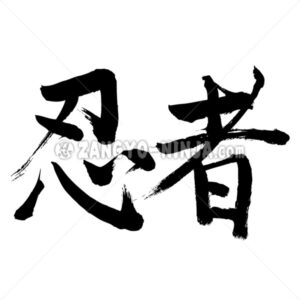
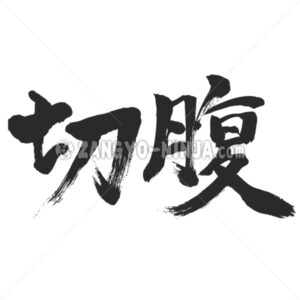
Ritual suicide by self-disembowelment on a sword. A form of ritual suicide by disembowelment using a blade, practiced by Japanese samurai, especially to rid oneself of shame, as a means of protest or, formerly, as a method of capital punishment. Japanese says Seppuku.
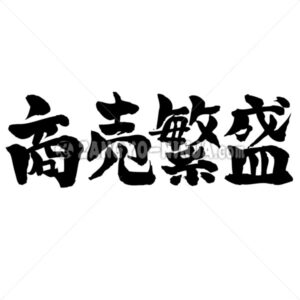
thriving prosperous business. This Kanji that can fulfill your wish is written in four letter idioms. It’s from long ago. Japanese says Sho-bai-han-jo.
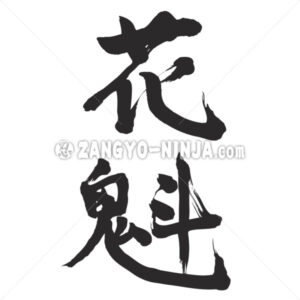
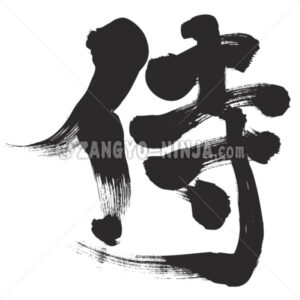
In feudal Japan, a soldier who served a daimyo and shogun. a Japanese warrior who was a member of the feudal military aristocracy.
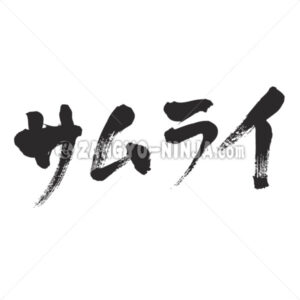
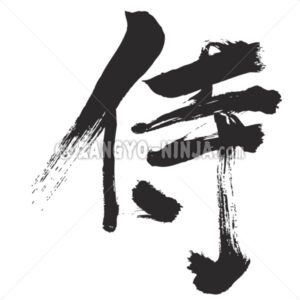
In feudal Japan, a soldier who served a daimyo. a Japanese warrior who was a member of the feudal military aristocracy.
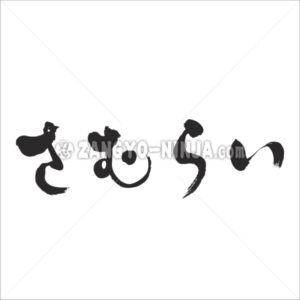

A horticultural technique peculiar to Japan in which trees are planted in small pots and cultivated so as not to damage the appearance of nature. It is important to express the atmosphere of nature, and it is an art of horticulture. Almost all kinds of zelkova, maple, plum, etc. can be bonsai, and even … Read More
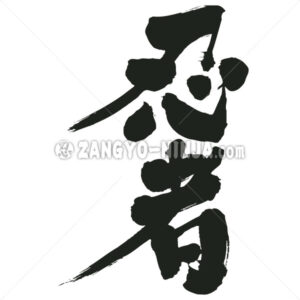
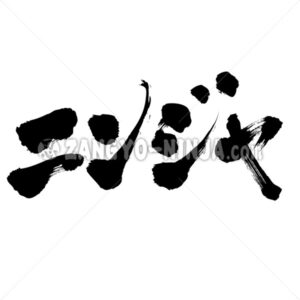
Voici une calligraphie en katakana représentant un ninja. De l'époque Muromachi à l'époque Edo, les ninjas étaient des individus aguerris employés par les daimyos et les seigneurs féodaux pour mener des missions d'espionnage, de sabotage et d'assassinat. Dans les drames historiques, les mangas et les animés, les ninjas sont généralement représentés vêtus de noir et opérant sous couverture… Lire la suite
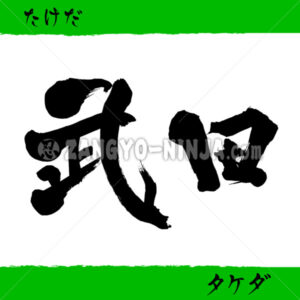
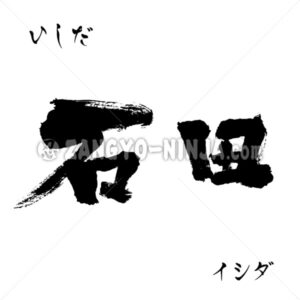
Hello, Mr. Ishida. This is an explanation of the origin of the surname Ishida, which is shared by your ancestors and friends. This surname is relatively common, with 260,000 people bearing it nationwide. Meaning of each character in this surname: “石” (pronounced ishi) → stone “田” (pronounced ta, da) → rice field As basic … Read More