
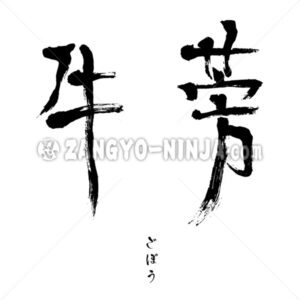
Bardane en Kanji et Hiragana, lu comme Gobo en japonais - Zangyo-Ninja

Ce n'est pas une racine d'arbre. Qu'est-ce que la bardane ? Une plante bisannuelle de la famille des Astéracées. Consommée principalement pour sa longue racine allongée, c'est un légume typiquement japonais, rarement utilisé hors du Japon. Elle ressemble à une racine d'arbre. Cependant, des recherches récentes ont révélé plusieurs choses. Elle n'est pas très nutritive, mais elle est riche en… Lire la suite

vecteur
non évalué $0.00$1,490.00 Sélectionner la licence
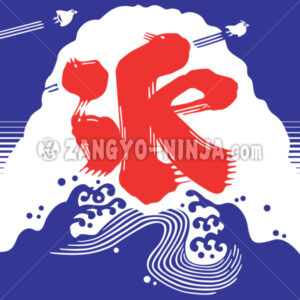
iCe en calligraphie bicolore, un motif traditionnel japonais - Zangyo-Ninja

Description iCe et Natsugori (夏氷) Ce motif est une interprétation artistique du motif traditionnel japonais appelé « Natsugori » (夏氷). À l'arrivée de l'été au Japon, les commerces arborent ces drapeaux pour signaler : « Nous vendons de la glace pilée ! » Le mot « glace » écrit en rouge au centre est en réalité le caractère japonais pour « glace » (氷), rendu en bicalligraphie (japonais)… Lire la suite
vecteur
non évalué $0.00$1,490.00 Sélectionner la licence
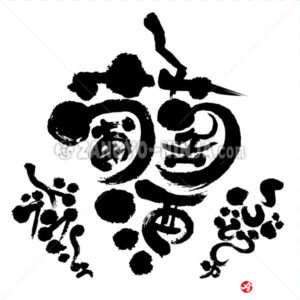
Vin en Kanji, Hiragana et Katakana comme raisins - Zangyo-Ninja

Le vin est fabriqué à partir de raisins. La forme du raisin est exprimée par la calligraphie. Toutes les inscriptions se lisent « Budoshu » et font référence au vin de raisin, ou au vin en général au Japon. Dans cette œuvre typographique, la partie gauche est écrite en katakana, la partie centrale en kanji et la partie droite en hiragana, le mot « vin » étant écrit avec… Lire la suite

vecteur
non évalué $0.00$1,490.00 Sélectionner la licence

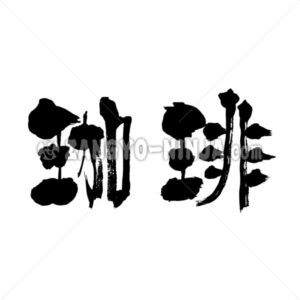
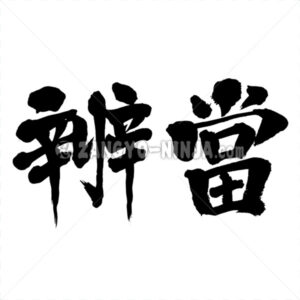
C'est l'une des boissons les plus populaires au monde. Elle possède un arôme distinctif et une amertume agréable. Grâce à sa teneur en caféine, elle a un effet stimulant sur le système nerveux. Le café a été consommé comme boisson pour la première fois vers le VIe siècle. À l'origine, il était populaire chez les musulmans arabes comme remède pour améliorer… Lire la suite
vecteur
non évalué $0.00$1,490.00 Sélectionner la licence
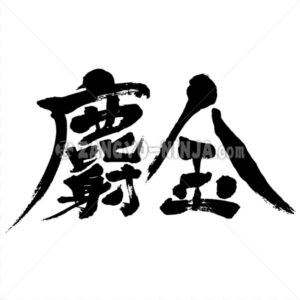
Curcuma en Kanji - Zangyo-Ninja

Le curcuma appartient à la famille du gingembre. Il se caractérise par son parfum, son amertume et sa couleur dorée. On l'utilise en faisant sécher ses racines et ses tiges. Outre son utilisation comme épice dans le curry, il est largement employé comme colorant pour les tissus, la moutarde, le fromage et d'autres aliments. Le curcuma est apprécié partout… Lire la suite

vecteur
non évalué $0.00$1,490.00 Sélectionner la licence
Bento en Kanji comme ancienne forme de caractère - Zangyo-Ninja

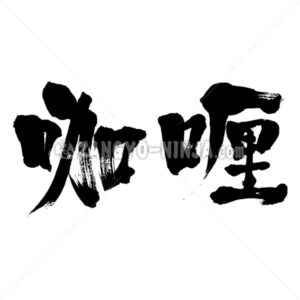
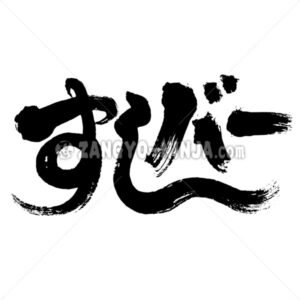
Generally, it is a portable meal consisting of rice and side dishes in a container such as a box. In some cases, rice is not used, such as in sandwiches and spaghetti. History of Bento Heian – Kamakura Period The concept of all portable food as bento goes back to the Heian period (794-1185). … Read More
vecteur
non évalué $0.00$1,490.00 Sélectionner la licence
Curry en Kanji - Zangyo-Ninja

Curry is readily available at any restaurant, and it has become a national dish in Japan. The country where curry was born When most people hear the word “home of curry,” they most likely think of India. Indeed, India is the birthplace of the dish we know today as curry. However, curry does not … Read More

vecteur
non évalué $0.00$1,490.00 Sélectionner la licence
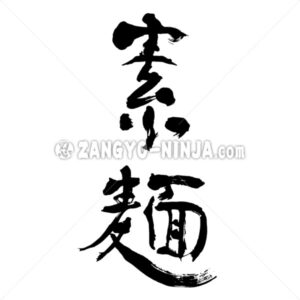
Somen en Kanji - Zangyo-Ninja

Description for Somen as Japanese noodles Thin dried noodles made from wheat flour. The original name was ‘Sakumen,’ but it seems that the character for ‘Saku’ was written with the character ‘Sakumen’ broken, and the erroneous spelling of ‘Somen’ became the name. Although it came from China, it is believed that it was in … Read More

vecteur
non évalué $0.00$1,490.00 Sélectionner la licence
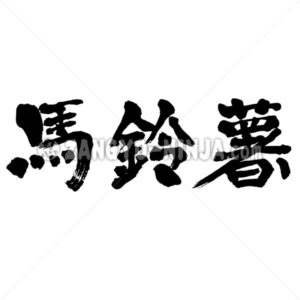
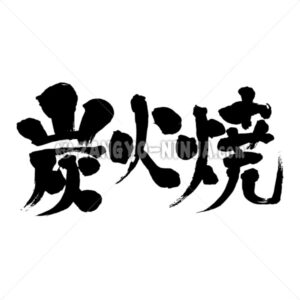
Pomme de terre en Kanji - Zangyo-Ninja

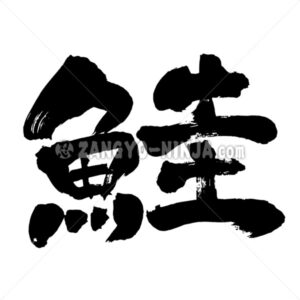
Description for Potato as foods In Japan, it is commonly called Jagaimo, and as you can see from this stock, it is also known as Bareisho, which is said to have come to be called because its shape resembles a bell worn on a horse. origin and propagation A perennial crop of the Solanaceae … Read More
vecteur
non évalué $0.00$1,490.00 Sélectionner la licence
saumon en Kanji - Zangyo-Ninja

Salmonid fish. It reaches a total length of about 1 meter. The body is a slightly elongated spindle shape. There is a greasy fin. The body color is blue-gray on the back and silvery white on the abdomen, but during the breeding season, the dorsal and lateral parts of the body turn dark green-brown, … Read More

vecteur
non évalué $0.00$1,490.00 Sélectionner la licence
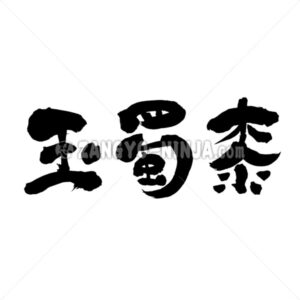
charcoal grilled in Kanji - Zangyo-Ninja

A dish in which the ingredients are grilled over an open flame using charcoal fire that was created using charcoal as fuel. Charcoal fire emits far infrared rays four times as much as gas, and radiant heat directly burns ingredients. In the case of gas containing hydrogen, it generates water vapor. Charcoal, on the … Read More
vecteur
non évalué $0.00$1,490.00 Sélectionner la licence
corn in Kanji - Zangyo-Ninja

An annual grass of the Gramineae family. The grains are cultivated for food and industrial raw materials, and for the entire above-ground part as feed. The stem is upright and 1 to 4 meters high. Most of the nodes are 14 to 16, and there is almost no branching. Fresh, frozen (whole form, cut … Read More

vecteur
non évalué $0.00$1,490.00 Sélectionner la licence
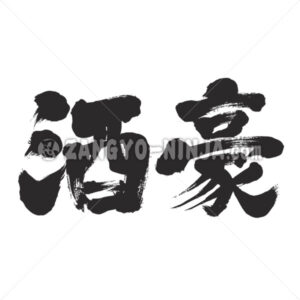
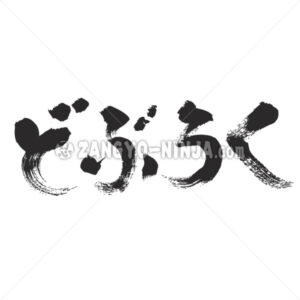
saké non raffiné en Hiragana - Zangyo-Ninja

It is sake made by self-brewing, and it is basically a violation of the Sake Tax Law under current Japanese law. However, it is good for sake brewers to make this, and it is allowed at certain times. It is a state of sake that has been fermented like sake and has been brewed … Read More
vecteur
non évalué $0.00$1,490.00 Sélectionner la licence
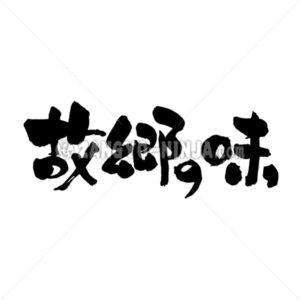
flavor of native dishes in Kanji and Hiragana - Zangyo-Ninja

In summary, dishes made with ingredients such as preserved foods, fermented foods, and seasonings that people have thought about in the process of living in the area and forming the area. Japanese said “Furu sato no aji” and “Ko kyo no aji” in Japanese Kanji and Hiragana.

vecteur
non évalué $0.00$1,490.00 Sélectionner la licence

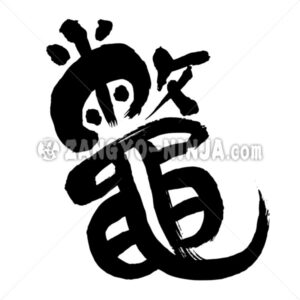
A type of turtle that lives in rivers, lakes, and swamps. It inhabits rivers throughout Japan, except Hokkaido, the Korean Peninsula, China, and the eastern Indochina Peninsula. It has a soft, flat shell about 20-40cm in length. The edible history is old, and it is said that there was even a government office that … Read More
vecteur
non évalué $0.00$1,490.00 Sélectionner la licence
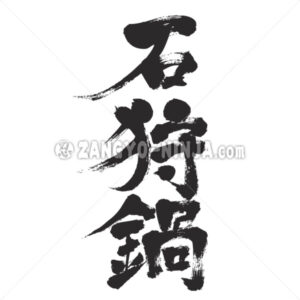
salmon and vegetable stew with miso and butter hotpod in Kanji - Zangyo-Ninja

This is a Japanese hot pot dish made with crab as a main ingredient and miso seasoned, and is a local dish of Hokkaido. Often confused with Sanpei soup using salted salmon, Ishikari Nabe uses raw salmon that is made with miso and is not salted. Japanese says “Ishi kari nabe”.

vecteur
non évalué $0.00$1,490.00 Sélectionner la licence
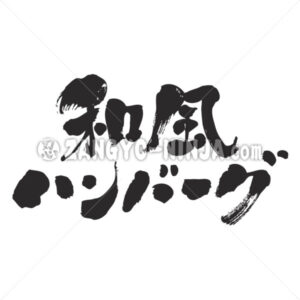
Brochettes de hamburger à la japonaise en kanji et katakana - Zangyo-Ninja

Ce plat est un steak haché assaisonné à la japonaise. Il se caractérise par une cuisson à feu doux dans une sauce à base de sauce soja, de mirin et de gingembre râpé, le tout garni de radis daikon râpé et d'oignons verts. Qu'est-ce qu'un hamburger à la japonaise ? Un hamburger à la japonaise est un plat né de la fusion de… Lire la suite
vecteur
non évalué $0.00$1,490.00 Sélectionner la licence
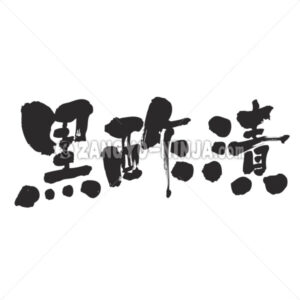
Cornichons au vinaigre noir en Kanji - Zangyo-Ninja

Les aliments sont marinés dans du vinaigre noir pendant plusieurs heures, voire plusieurs jours. On trouve peu de produits de ce type sur le marché, car il existe de nombreuses recettes de légumes marinés maison. Au Japon, on appelle cela « Kuro zu zuke ».

vecteur
non évalué $0.00$1,490.00 Sélectionner la licence
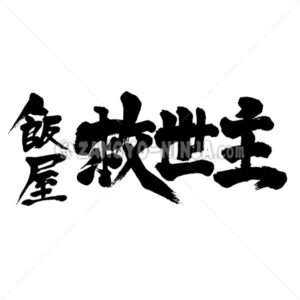
Restaurant le Messie en kanji - Zangyo-Ninja

Il s'agit du nom d'un magasin fictif. Les caractères kanji verticaux à gauche, « 飯屋 », désignent un restaurant servant des plats à base de riz, un lieu ouvert au public, appelé « meshiya ». Les caractères kanji horizontaux à droite, « 救世主 », correspondent au nom du magasin. En japonais, on l'appelle « kyuseishu »… Lire la suite

non évalué $0.00$1,490.00 Sélectionner la licence
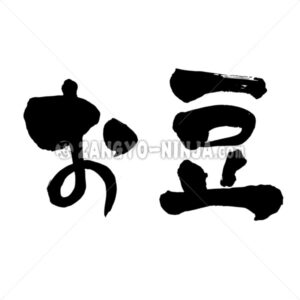
beans in Kanji and Hiragana - Zangyo-Ninja

1. Seeds of leguminous plants. In particular, it sometimes refers to soybeans. 2. Small in shape. 3. Clitoris (slang) It is polite word, Japan calls “O mame” in Japanese Hiragana and Kanji.
vecteur
non évalué $0.00$1,490.00 Sélectionner la licence
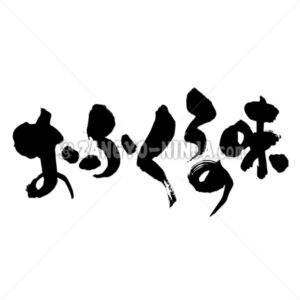
Taste of home cooking in Hiragana and Kanji - Zangyo-Ninja

A term that refers to home cooking experienced during childhood, or the taste formed thereby, and dishes that evoke them. Japan call “O fu ku ro no aji” in Japanese Hiragana and Kanji.

vecteur
non évalué $0.00$1,490.00 Sélectionner la licence
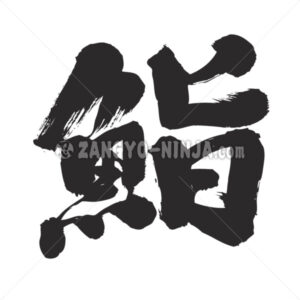
Sushi un personnage en Kanji - Zangyo-Ninja

Poisson assaisonné de vinaigre et de sel, mélangé à de la chair de poisson et des légumes. Le riz vinaigré accompagne également le poisson, les fruits de mer et d'autres ingrédients. Il en existe de nombreuses variantes.
vecteur
non évalué $0.00$1,490.00 Sélectionner la licence
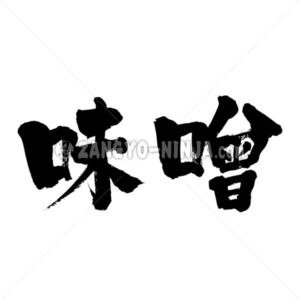
Pâte de soja Miso en Kanji - Zangyo-Ninja

1. Un assaisonnement japonais. Des fèves de soja cuites à la vapeur, fermentées avec du sel et du koji. 2. Une préparation similaire au miso, par sa couleur et sa texture, contenue dans les carapaces de crabes et de crevettes. 3. Des avantages dont on peut être fier. Un point de divergence entre les idées et les concepts.

vecteur
non évalué $0.00$1,490.00 Sélectionner la licence
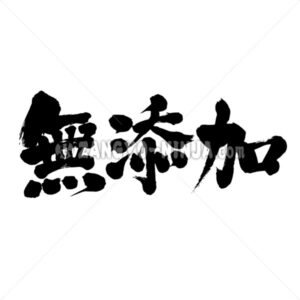
sans additif en Kanji - Zangyo-Ninja

N’ajoutez pas de conservateurs, de colorants, etc., nocifs pour la santé, aux aliments. En japonais, on dit « Mu ten ka ».

vecteur
non évalué $0.00$1,490.00 Sélectionner la licence
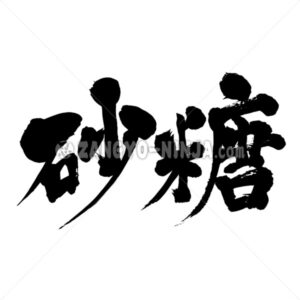
sucre en Kanji - Zangyo-Ninja

White crystals soluble in water. Sugar cane, sugar beet etc. Used for seasoning. Simple sugars are called monosaccharides and include glucose, fructose, and galactose. Japanese says “Sato”. Sugar Ingredients It can be divided into “cane sugar,” derived from sugar cane (the main raw material), and “sugar beets,” derived from sugar beet. Both cane sugar … Read More
vecteur
non évalué $0.00$1,490.00 Sélectionner la licence
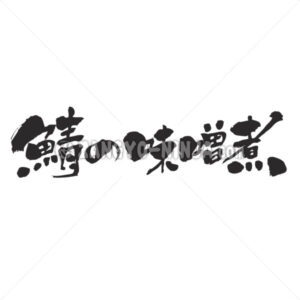
mackerel cooked with miso in Kanji - Zangyo-Ninja

Japanese fish dishes in which mackerel fillets are simmered with seasonings such as miso. The basic recipe is to simmer mackerel with miso and sugar, sake, mirin and ginger. One of the representative ones of Japanese mackerel dishes. Japan call “Sa ba no mi so ni”.

vecteur
non évalué $0.00$1,490.00 Sélectionner la licence
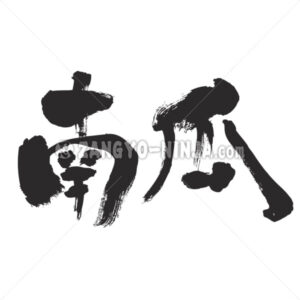
citrouille en Kanji - Zangyo-Ninja

Description for Pumpkin Pumpkin is a general term for fruit vegetables belonging to the genus Cucurbita within the family Cucurbitaceae. While native to the Americas, the primary production areas are China, India, Ukraine, Africa. Wild species of the genus Cucurbita are distributed only in the New World, with most occurring in Mexico and Central … Read More
non évalué $0.00$1,490.00 Sélectionner la licence
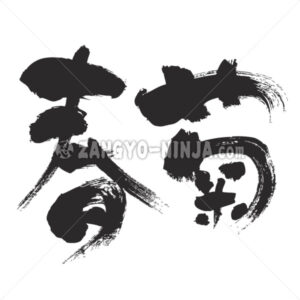
garland chrysanthemum in Kanji - Zangyo-Ninja

Asteraceae annual or biennial grass. The height is 20 to 60 cm. The leaves have deep cuts and are soft. Open yellow or white flowering head from summer to autumn. The aroma is high and is grown as food. Japanese calls “Shun Giku”.

vecteur
non évalué $0.00$1,490.00 Sélectionner la licence
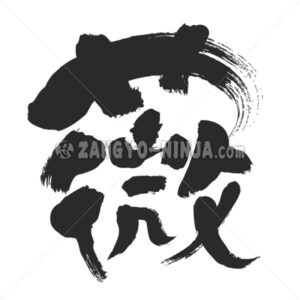
osmund in Kanji - Zangyo-Ninja

any fern of the genus Osmund: large ferns with creeping rhizomes. Eats shoots in Japan. One of the typical wild plants that makes you feel spring. It grows naturally in the mountains of Japan, and the young shoots picked in early spring are edible. In general, dried Osmund, which is a dried boiled product, … Read More

vecteur
non évalué $0.00$1,490.00 Sélectionner la licence