

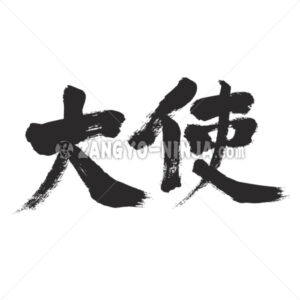
1. Top of diplomatic missions. There are temporary correspondent ambassadors and resident special ambassadors, and usually refer to the latter. 2. A person who is appointed from a local government, an organization, a company, etc. and performs public relations activities. 3. A messenger dispatched formally under the orders of central government agencies such as … Read More
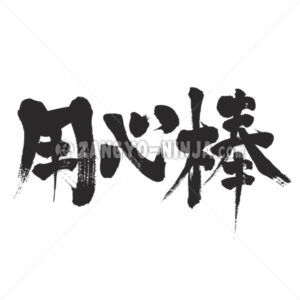
1. An armed person who is put on the side for escorts and in extreme cases. 2. A stick to prepare for the invasion of thieves. Japan call “Yo jin bo”.
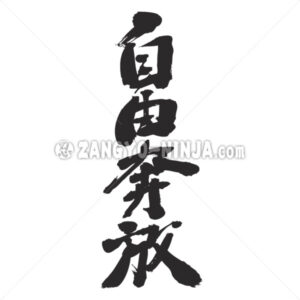
Acting with your own mind, without being bound by social rules and conventions. Don’t follow the rule. Japan call “Ji yu hon po”. There are both positive and negative nuances. Positive: An attitude of acting on one’s own volition, unrestrained by anything. Negative: Acting selfishly without consideration for others. The first two letters are … Read More
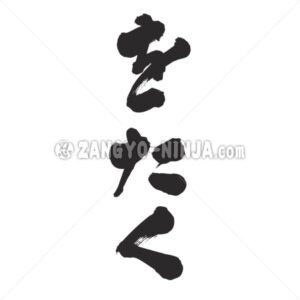
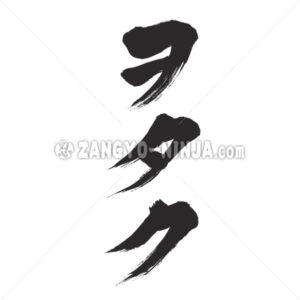
Ce terme désigne les personnes excessivement passionnées par leurs centres d'intérêt ou leurs passions. Il s'agit d'une personne qui s'enthousiasme pour une chose en particulier bien plus que la moyenne. En japonais, il s'écrit verticalement en katakana. La notation courante utilise « オ » comme première lettre, mais dans l'argot internet et chez les otaku… Lire la suite
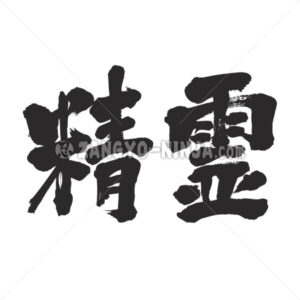
1. L'âme qui, selon la croyance, réside dans diverses choses comme le yamakawa, l'herbe et les arbres. Elle est l'objet du culte des religions primitives. 2. L'âme du défunt. En japonais, on dit « Sei rei ».
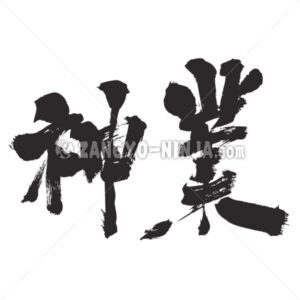
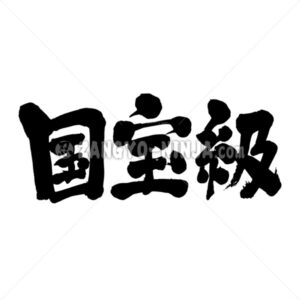
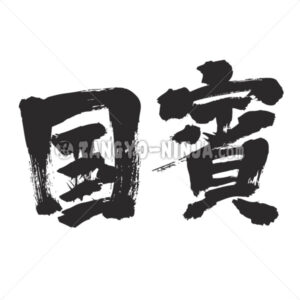
It is not “national treasure” which country appoints, but may be recognized as “national treasure”. Japanese says “Koku ho kyu”.
Generic term for primates. Monkeys, including humans. They usually have five fingers on their hands and feet, the first can face the other four to grab things, and most have flat nails. I walk with my feet on the ground to the heel. The eyes are both facing side by side and can be … Read More
1. Un groupe d'écrivains naturalistes qui insistent sur la fidélité à la réalité sans l'idéaliser. 2. Une personne qui protège la nature et vit en harmonie avec elle, ou qui prône cette approche. Au Japon, on parle de « Shi zen ha ».
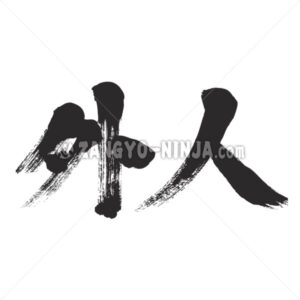
Those who do not have the nationality of the country in each country. In Japan, those who do not have Japanese nationality are foreigners, and there are foreign nationals and stateless persons. Japan call “Gai jin” as abbreviated “Gai koku jin”.
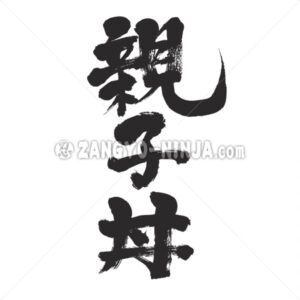
1. Stir-fried simmered chicken and onion, shiitake mushrooms, etc. are simmered with chicken eggs on a bowl of rice. It is said that it began around the middle of the Meiji era. Parents(Oya) and children(Ko) mean chicken and chicken eggs. 2. Having physical negotiations on both the mother and her daughter. Also, for one … Read More

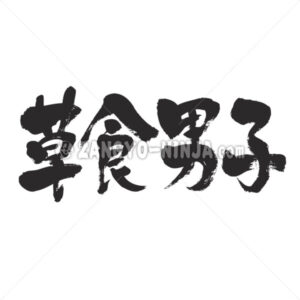
Les « garçons herbivores » sont des hommes au caractère doux et calme, à l'image des herbivores. Contrairement aux « garçons carnivores », ils ne manifestent aucune propension à entreprendre des relations amoureuses. L'expression « garçons carnivores » désigne quant à elle une personne très active en amour. Le terme japonais « So shoku Dan shi » est un néologisme récent.
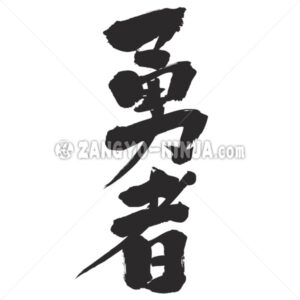
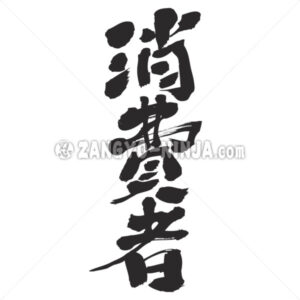
All individuals and households that purchase or obtain goods or services for personal consumption. Japanese call “Sho hi sha”.
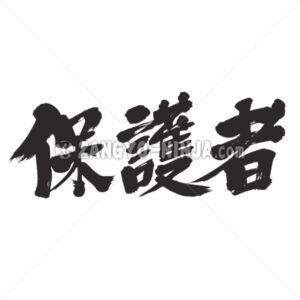
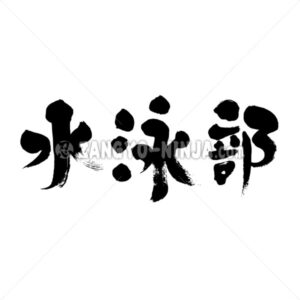
“Swimming” in the Olympics refers to the four categories of swimming, diving, water polo and synchronized swimming, but it is thought that there are many schools where activities as “swimming club” are “swimming league”.
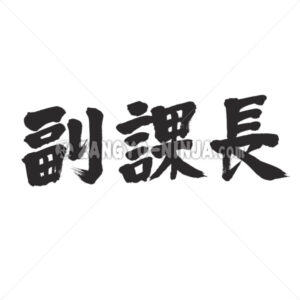
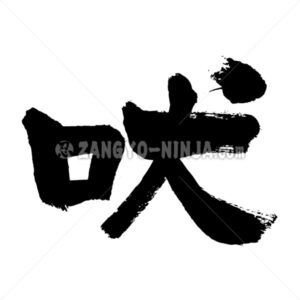
1. Beasts cry out loud. 2. The wind and waves make a loud noise. 3. Speak out loud. 4. Make a loud voice to get enthusiastic. Japanese says “Ho(e-ru)”
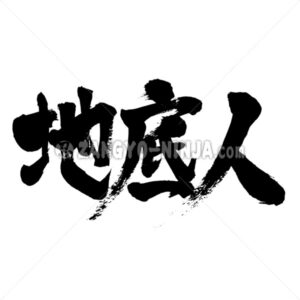
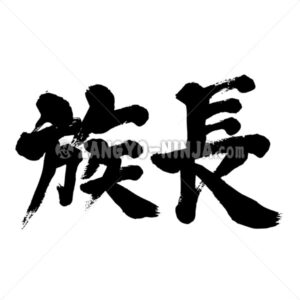
1. Le chef d'une race, d'une tribu ou d'un groupe ethnique. 2. Terme désignant le fondateur des Hébreux (anciens Israélites) dans l'Ancien Testament. En japonais, on dit « Zoku cho ».
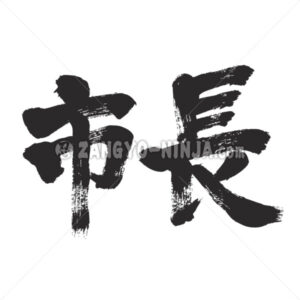
Au Japon, le maire d'une ville est un organe public local. Il s'agit d'un organe exécutif qui représente et supervise la ville. Il est élu au suffrage direct par les citoyens pour un mandat de quatre ans. Les Japonais l'appellent « Shi chō ».