

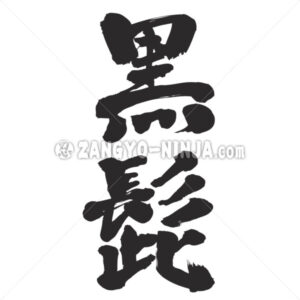
En japonais, Kuro-Hige signifie « homme à la barbe noire ». Il s'agissait d'un pirate anglais qui opérait dans les Caraïbes et au large des côtes atlantiques de l'Amérique du Nord.
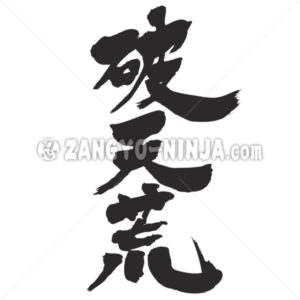
Doing things that no one has ever done. Breaking through unprecedented boundaries. Many Japanese people mistakenly think that they have a bold personality. In Japanese, It’s called “Ha Ten Ko”.
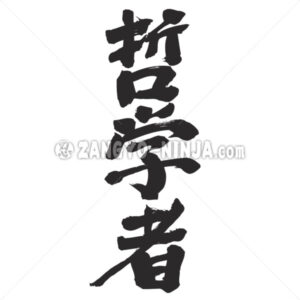
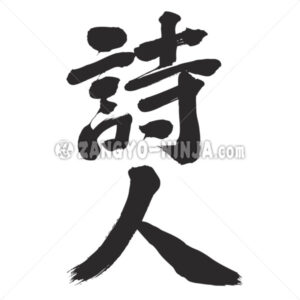
a writer of poems that the term is usually reserved for writers of good poetry. Japanese says “Shi jin”.
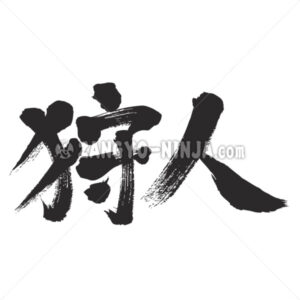
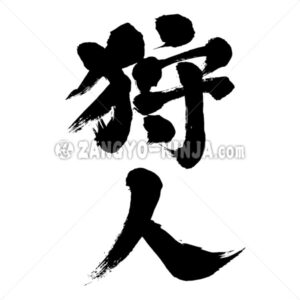
A person whose profession is to catch birds and beasts in the fields and mountains. A person who chases prey when hunting. Japanese says Kariu-do, Karyu-do.
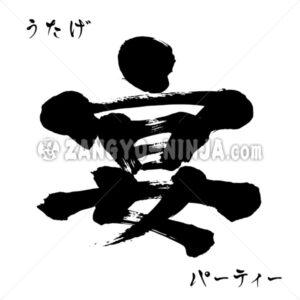
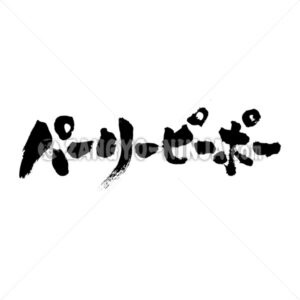
Une personne qui aime faire la fête. Ceci est la translittération en katakana japonais d'un langage moderne employé par les jeunes.
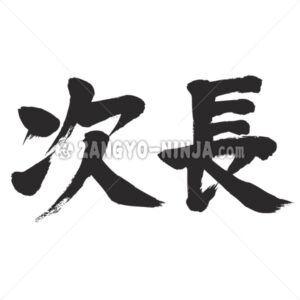
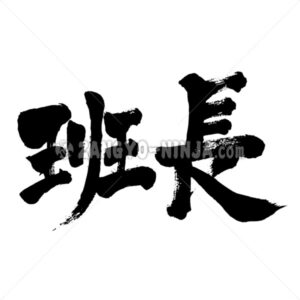
Un chef de groupe est le responsable d'une unité organisationnelle appelée groupe au sein d'une organisation, d'un groupe ou d'un établissement scolaire. Ce poste est principalement utilisé dans les entreprises, les administrations, etc. 1. Cadre intermédiaire d'une entreprise ou d'une société. Il correspond au chef de service ou au responsable. 2. Il s'agit du responsable d'une… Lire la suite
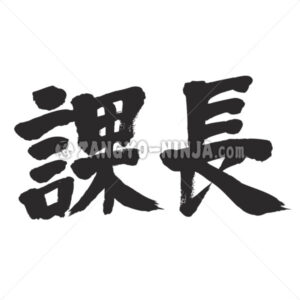
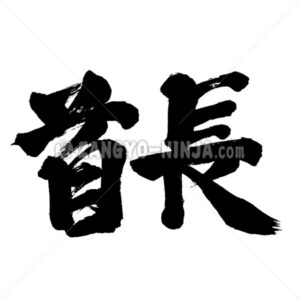
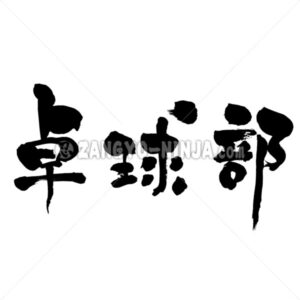
Table tennis is a highly competitive sport that is adopted by the official Olympic Games, while everyone is friendly. A group that plays the sport. Table tennis is adopted as a formal Olympic Games. Japanese says “Ta kyu bu”.
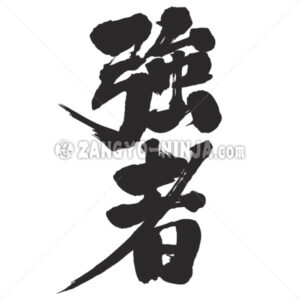
A parson of strength. Political leaders and dictators who rule with power. Japanese says “Kyo sha”, “Tsuwa mono”.
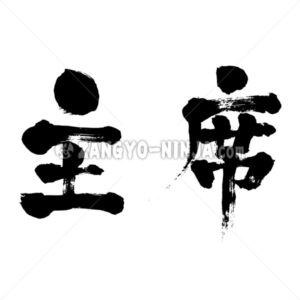
1. Le chef d'un groupe de personnes. 2. Le chef d'une tribu ou d'un clan. 3. Le directeur administratif d'un établissement d'enseignement supérieur. Au Japon, on l'appelle shu-seki.
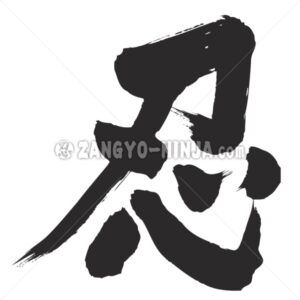
Japanese Kanji for Nin, Shinobu and Shinobi that is first letter Ninja endurance, forbearance, patience, self-restraint. one Japanese name Shibobu. Meaning of this Kanji (1) To suppress one’s feelings. To avoid expressing painful feelings. (2) To make one’s actions inconspicuous. To avoid publicity by hiding. (3) To be patient.
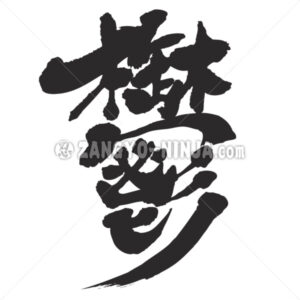
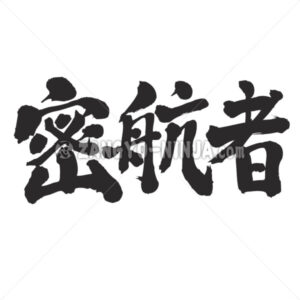
a person who hides aboard a ship or plane in the hope of getting free passage. It is said Mi-ko-sha in Japanese.
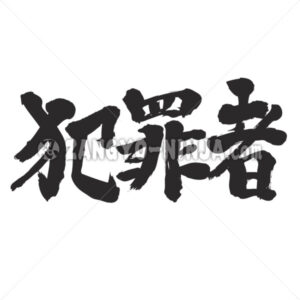
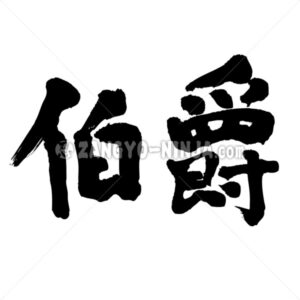
1. a nobleman (in various countries) having rank equal to a British earl. 2. a British peer ranking below a marquess and above a viscount. Japanese says haku-shaku.
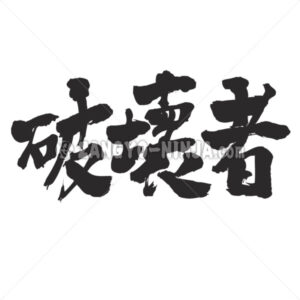
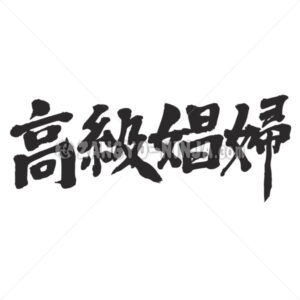
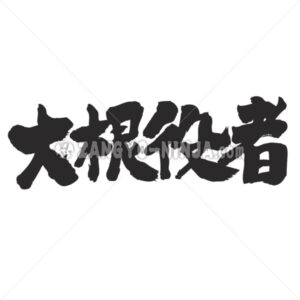
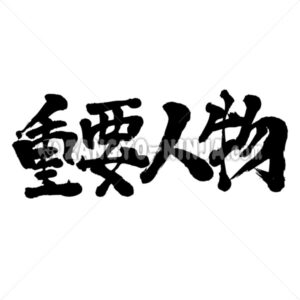
Description pour VIP : Une personne dont les actions ou les opinions exercent une forte influence sur les affaires. Personnalité influente, personne de caractère, figure éminente. Une personne très influente et réputée. Personnalité importante, figure majeure. Une personne qui joue un rôle crucial dans les affaires. Personnalité clé, acteur clé, personnage central, personne importante. Une personne avec… Lire la suite