

Description for governor In Japan, prefectural chiefs and executive bodies elected by direct public election. It was the first time since the prefectural system was established in 1890 that the title “governor” was uniformly applied to the heads of local bodies. Prior to that, it was used only for Tokyo, Osaka, and Kyoto prefectures. … Read More

Description for Supervisor Because the role differs slightly depending on the industry, and because it is neither a job title nor an occupation, in Japan it is often treated only in terms of atmosphere. And in Japan, it is often written as “スーパーバイザー” in katakana notation. A supervisor is responsible for: A person with … Read More
Description for Administrator In general, it refers to a person who manages, operates and manages facilities and organizations, or such an organization. In Japan, there are various jobs just for managers. a caretaker for an apartment house. A person who manages the facilities, hygiene, and security of real estate. A person who oversees, takes … Read More

Description du métier de plombier : Dans le jeu vidéo Super Mario Bros., les personnages sont plombiers. Ce métier, qui fait partie du secteur de la construction, consiste à installer des canalisations (acier, PVC, etc.) pour l'eau et le gaz. On le retrouve principalement dans le domaine des équipements de construction, notamment pour l'adduction d'eau… Lire la suite
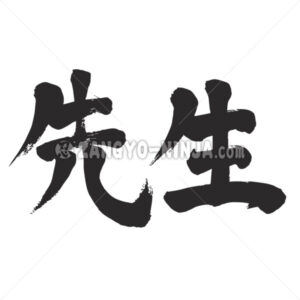
1. A person who teaches academics, techniques, and entertainment. Especially school teachers. Also, the person who is being taught. 2. A word that respects academic people such as Pastor, Master, Doctors, and Deputies, and people in leadership positions. 3. Calling others, including friendliness and teasing. 4. A person who was born before me. Japanese … Read More

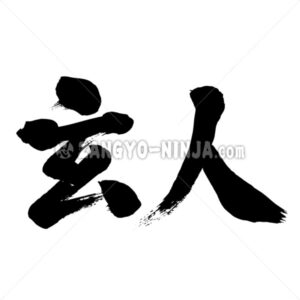
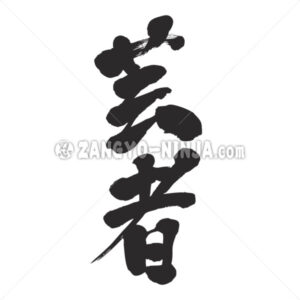
Description for professional A person who is proficient in arts and crafts. A person who specializes in one thing. Women in the restaurant, bar, or nightclub business, such as geisha and hostess. Its said “Kurou to” and “Kuro to”, in Japanese.
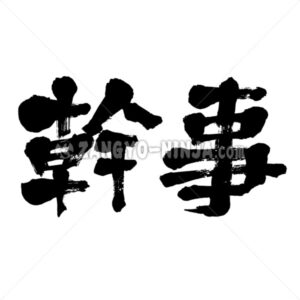
1. To play a central role in the business of associations and organizations. Also, the person in that role. 2. Caretaker for meetings, gatherings, banquets, etc. Japanese said “Kanji”.

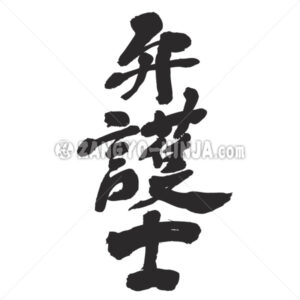
Description for lawyer A lawyer, along with a judge and a prosecutor, is one of the three legal professionals and a legal practitioner. And while judges and prosecutors are civil servants, lawyers are called legal profession. In other words, a lawyer is a person who is active in civil and criminal proceedings for the … Read More
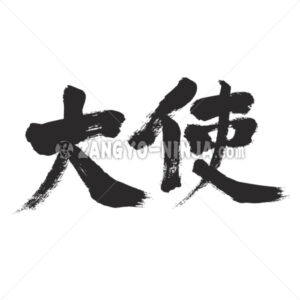
1. Top of diplomatic missions. There are temporary correspondent ambassadors and resident special ambassadors, and usually refer to the latter. 2. A person who is appointed from a local government, an organization, a company, etc. and performs public relations activities. 3. A messenger dispatched formally under the orders of central government agencies such as … Read More

1. A woman with a job that entertains guests by providing entertainment to singing, dancing, etc. at banquet seats. 2. People who are good at play.
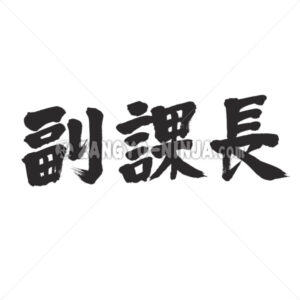
vice chief of a section is often higher than head assistant of a section in Japan company. Japan call “Fuku Ka cho”.

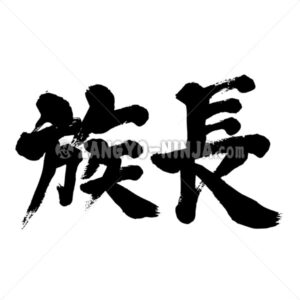
1. Le chef d'une race, d'une tribu ou d'un groupe ethnique. 2. Terme désignant le fondateur des Hébreux (anciens Israélites) dans l'Ancien Testament. En japonais, on dit « Zoku cho ».
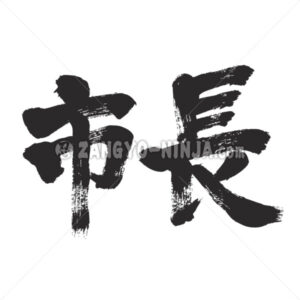
Au Japon, le maire d'une ville est un organe public local. Il s'agit d'un organe exécutif qui représente et supervise la ville. Il est élu au suffrage direct par les citoyens pour un mandat de quatre ans. Les Japonais l'appellent « Shi chō ».

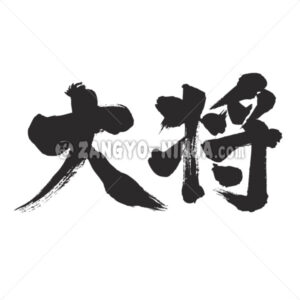
Une personne chargée d'embaucher des travailleurs. Une personne qui exerce un contrôle et prend des décisions. Le chef d'une tribu ou d'un clan. Un dirigeant de parti politique qui contrôle les votes et dicte les nominations. En japonais, on l'appelle Tai-Sho.
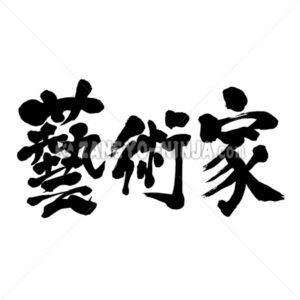
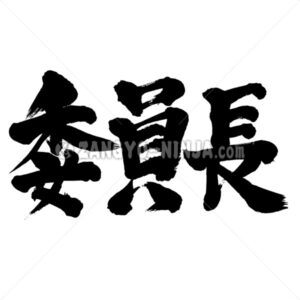
Une personne qui organise des comités et des groupes. Des élèves occupant des postes à responsabilité dans leur classe. Dans le contexte politique et social japonais, le président de la commission de l'Assemblée nationale. En japonais, on dit « I in cho ».
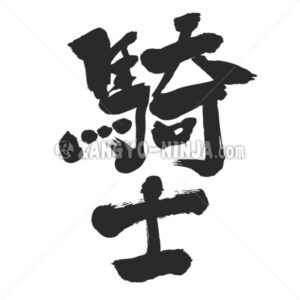
About real knights A knight refers to a social class in medieval Europe that was obligated to fight as cavalry in exchange for guaranteed control of manors. In modern times, cavalry itself disappeared, and knighthood became a title of nobility or a mere honorary position. Etymologically, the English word “knight” derives from the Old … Read More

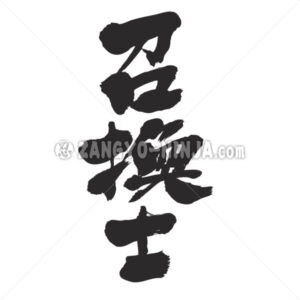
Dans le monde de la fantasy, il s'agit d'une profession qui utilise la « magie d'invocation », permettant de convoquer des démons et des esprits d'autres mondes et de les contrôler. Au Japon, on l'appelle « Sho Kan Shi ».
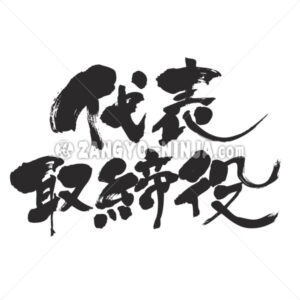
Le directeur général délégué supervise l'exercice des fonctions des directeurs. Il s'agit du poste de plus haut dirigeant chargé de la gestion d'une société enregistrée au Japon. En japonais, on dit « Dai Hyo Tori Shimari Yaku ».

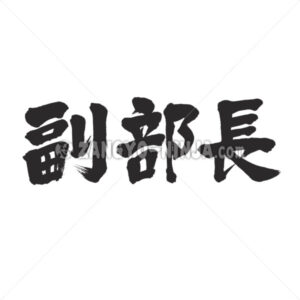
In general, vice chief of a department has lower status than chief of a department. And it is a higher position than chief assistant of a department. Japan call “Fuku bu cho”.
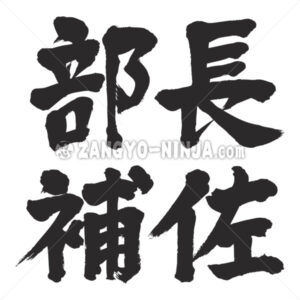
Since the assistant head assistant of a department is in charge of supporting the head of a department, it does not have the authority or authority of the head of a department. If head of a department is out of the office for external work, the main task is to control the inside of … Read More

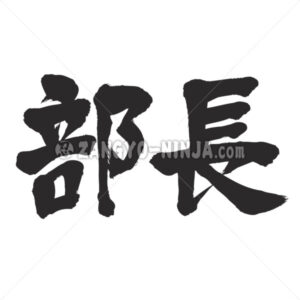
1. In Japan, most departments placed in organizations such as government offices and companies generally consist of lower-level organizations such as departments, groups, and rooms. Often honored as a position with greater authority. 2. Head of the club team at school Japanese calls “Bu cho”.
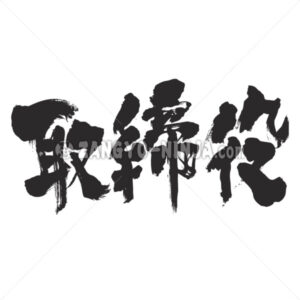
En japonais, on dit « Tori Shimari Yaku ». Cela désigne une personne qui administre une entreprise, ou un membre d'un conseil d'administration.

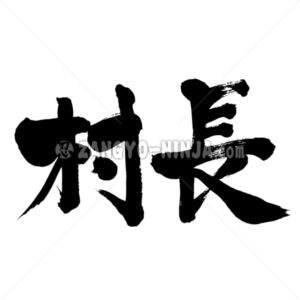
The village head of the local public organization. Village elder and representative. Responsible for the administration of the village. Japan calls “son-cyo” or “mura-osa”.
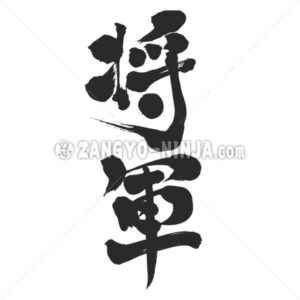
Ce sont des kanji écrits verticalement. Leur signification se divise généralement en deux catégories principales : 1. Une personne chargée de diriger ou de commander une armée. Il s'agit d'un des titres et fonctions officiels désignant le commandement d'une armée importante. Ce titre a longtemps été porté par les commandants militaires en Asie de l'Est. La suite

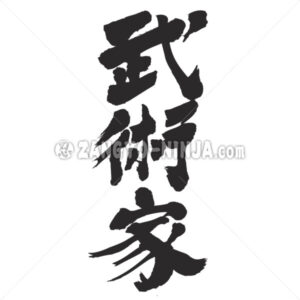
Un pratiquant et/ou un maître d'arts martiaux. Ceux qui souhaitent s'engager sur la voie des arts martiaux, ou les guerriers qui combattent en utilisant les arts martiaux. En japonais, on dit « Bu-Jutsu-Ka ».
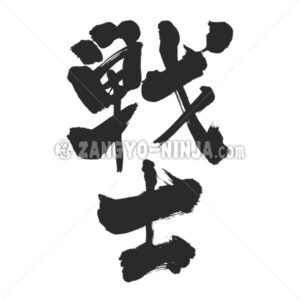
1. an enlisted man or woman who serves in an army. 2. a wingless sterile ant or termite having a large head and powerful jaws adapted for defending the colony. Japanese says “Sen Shi”.

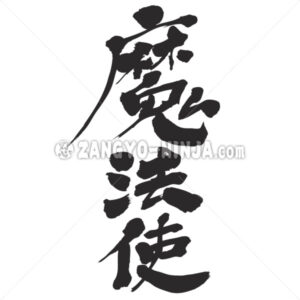
It is a general term for those who use magic and illusion. It often appears in folk tales and myths, and is also used as a material in fiction such as fantasy literature and games. Japanese says “Ma Hou Tsukai”.
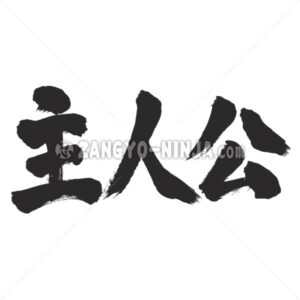
Le personnage principal d'une pièce de théâtre, d'un film, d'un roman ou d'un poème. En japonais, on dit « Shu Jin Ko ».
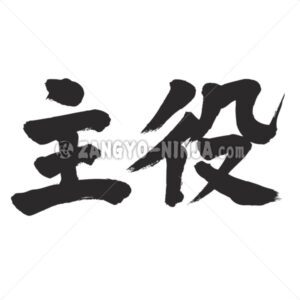
Le personnage principal d'une pièce de théâtre, d'un film, d'un roman ou d'un poème. Le personnage principal d'une œuvre de fiction. Un acteur qui interprète un rôle principal. En japonais, on dit « Shu yaku ».

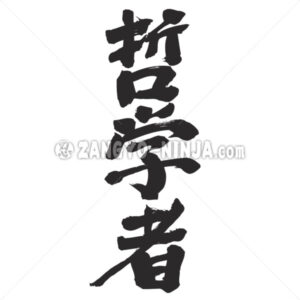
1. a specialist in philosophy. 2. a wise person who is calm and rational. Japan calls “Testu gaku sha”.