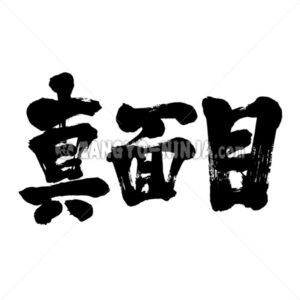
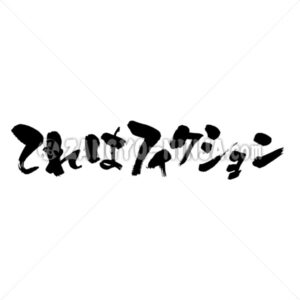
concerned with work or important matters rather than play or trivialities. Have a serious look. Be serious. It should be full of heart and no decoration. Japanese calls “Ma ji me”.
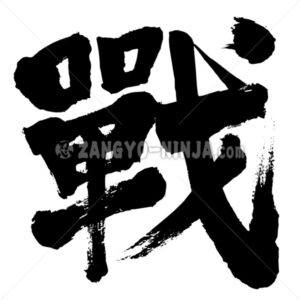
1. Fight with a weapon. 2. competition. It’s about to win or lose. It is a Kanji that old Japanese were using. With transliteration in Katakana that you can custom letter. Japanese says Ikusa.
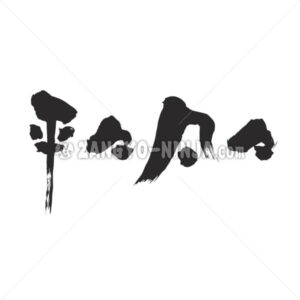
Very common. It is not average and there is nothing particularly good or unusual. Japanese says “Hei hei bon bon”. A word that strengthens “平凡(ordinary)” as four character idiom.
1. A holiday commemorating the birth of Jesus Christ. December 25th is the Roman-Catholic and Protestant churches, which are celebrated on January 7th in the Greek Orthodox Church and January 19th in the Armenian Church. 2. Since “Kotansai” is widely used by gods, Buddhas and monarchs, it is thought that “Seisansai” has also become … Read More
Cette étymologie provient d'Inde, dans le bouddhisme. Ce qui était appelé « naraka » en sanskrit a été transcrit et transmis en Chine pour devenir « naraku ». En Chine, Naraka désignait une prison souterraine ; le terme a donc été omis et est devenu « enfer ». On dit que les mots « enfer » et « naraku » ont été introduits au Japon. Les Japonais disaient « Ji… Lire la suite
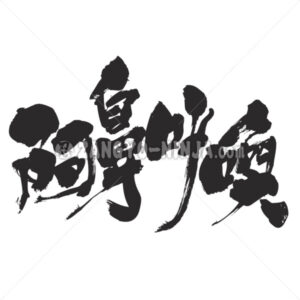

Il ne s'agit pas ici de la date indiquant une heure et un moment précis, mais plutôt d'une explication du mot japonais « date ». Ce mot signifie : faire étalage de son esprit ou de sa galanterie, et la manière de le faire ; porter des vêtements voyants ou se comporter de façon ostentatoire pour attirer l'attention ; se donner des airs. … Lire la suite
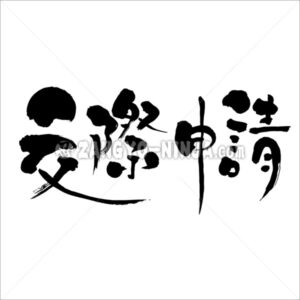
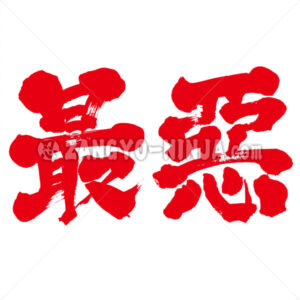
Description for worst and too bad “Worst” refers to the most unfavorable state or condition. It is a word that describes the lowest degree of something, representing the most unpleasant or unfortunate situation.
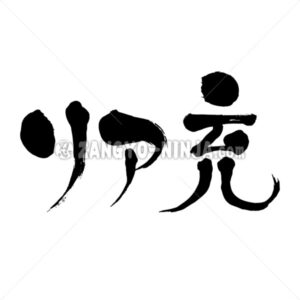
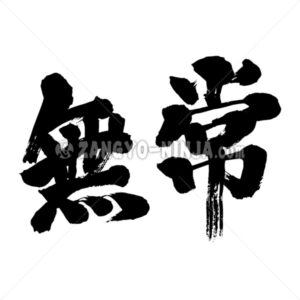
Buddhist language. Everything has changed, and it is not a permanent residence. Everything in this world changes quickly and does not stay in the same state for a while. Especially the ephemeral nature of life. Don’t know when you will die. Japanese says “Mu Jou”.
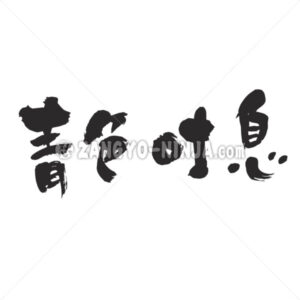
An unsatisfactory sigh when you are in very troubled or extremely painful. It also refers to the state at such time. When you have a lot of hard work and hard work, you are exhausted from your body and mind, and you have a hard time breathing. Japan call “Ai iro to iki”.
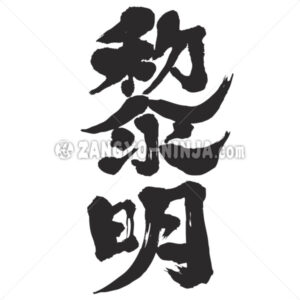
1. When the dawn was about to get into the morning. 2. When things are about to start. When a new culture is about to happen. Japan call “Rei mei”.
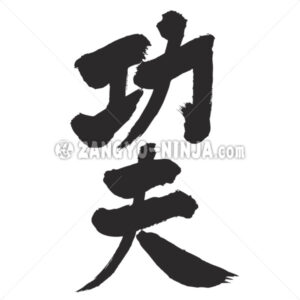
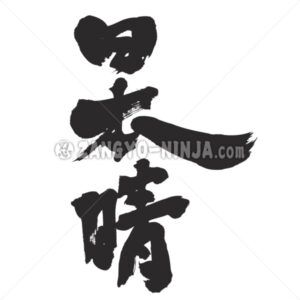
1. Tout est clair, sans le moindre nuage. 2. Il n'y a ni doute ni anxiété, et le sentiment est limpide. Au Japon, on appelle cela « Ni hon bare ».
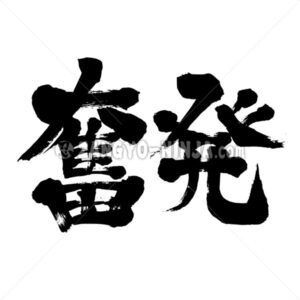
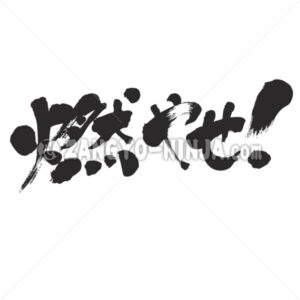
Order form of “burn”. To burn is to burn things etc. To uplift your mind and emotions. Japan call “Mo ya se” in Japanese Kanji and Hiragana.
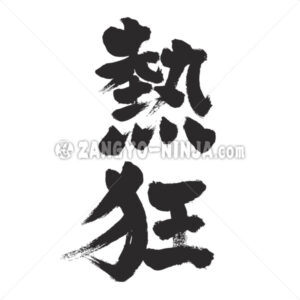
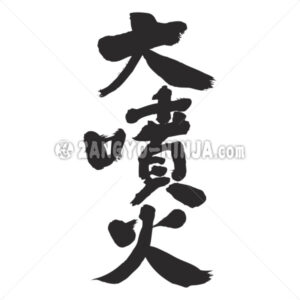
a sudden outburst. overflowing with eager enjoyment or approval. a lively interest. keen and shared excitement. the feeling of lively and cheerful joy. a feeling of excitement. Japan call “Nekkyo”.
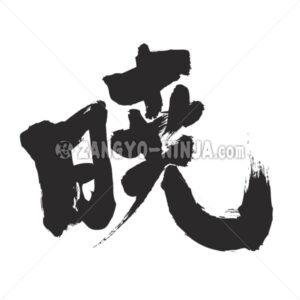
Description d'Akatsuki : Les jours les plus sombres avant le lever du soleil. Autrefois, cela désignait la période entre 17 h 30 et 20 h 40, l'aube. Une évidence. Ce terme est également utilisé pour nommer des équipes sportives et des entreprises. La Fédération japonaise de basketball l'utilise comme surnom pour l'équipe nationale… Lire la suite
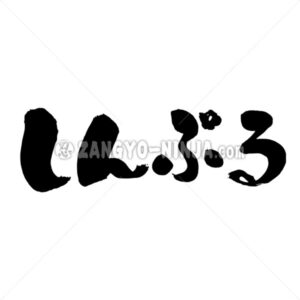
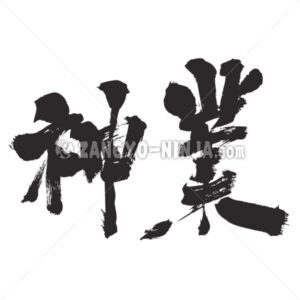
1. God’s work. Also, such superhuman skills and acts. 2. Events about God. Divine affairs. Japan call “Kami waza” “Kamu waza”.
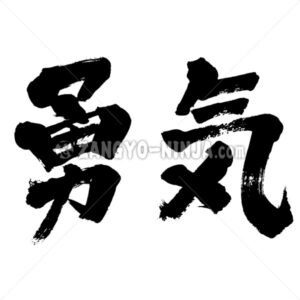
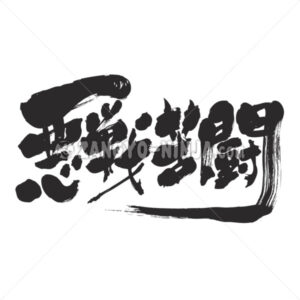
Make an effort with all your heart while suffering in a very difficult time. It is said that it is difficult to fight against a strong enemy and fight painfully. Japanese says “Aku sen ku to”.