
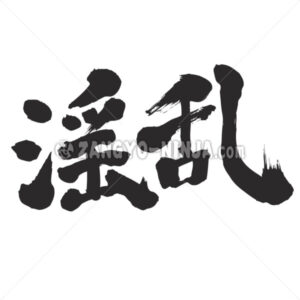
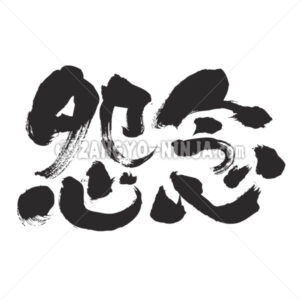
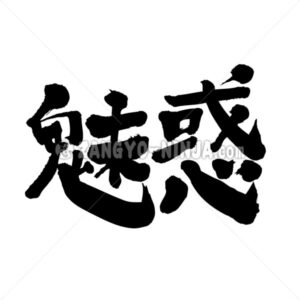
Being sexually disturbed by wanting obscene deeds. A person who takes even immoral behavior for his own sexual desire (lust). It is more often used for women than men. However, in the classics, it is used to mean spending a degree. Japanese calls “In Ran”.
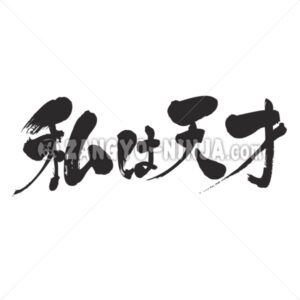
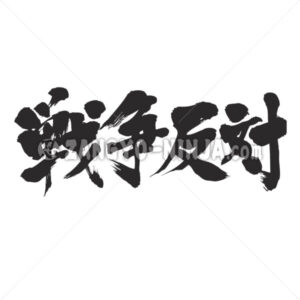
Japan is the only country in the world with a prohibition of war in its constitution A movement in which the will to oppose war is organized by a positive desire to pursue peace, to prevent the outbreak of war, or to end the ongoing war. After World War II, the anti-war movement was … Read More
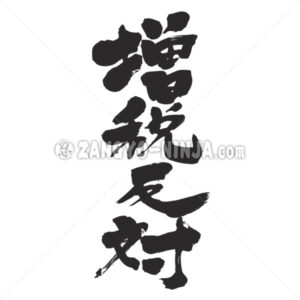
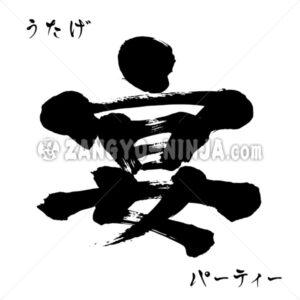
Description for Party To host a banquet with food and drink, enjoying entertainment such as song and dance. Also, to entertain guests. It’s said Utaga and En, in Japanese. Explanation of this calligraphy: The top row is in hiragana, the middle row in kanji, and the bottom row in katakana. The hiragana and katakana … Read More
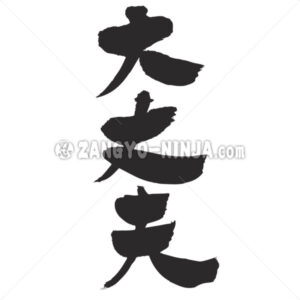
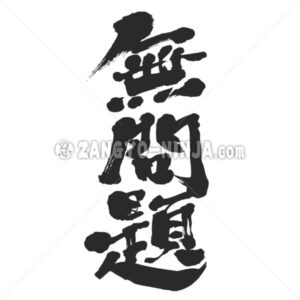
1. being satisfactory or in satisfactory condition. 2. free from fear or doubt. 3. free from danger or risk. 4. secure from risk. chinese calls Mo-Man-Tai but no there Japanese Kanji characters like that.
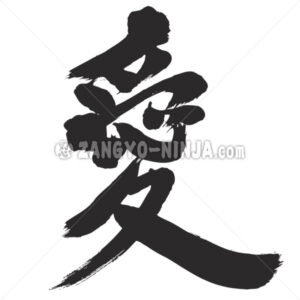
Description for Love love, amor, affection. 1. a quality proceeding from feelings of affection or love. 2. a deep feeling of sexual desire and attraction. 3. a strong positive emotion of regard and affection. 4. a positive feeling of liking. It’s said Ai, in Japanese. The way of saying is different from the abbreviation … Read More
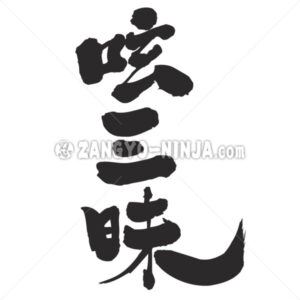
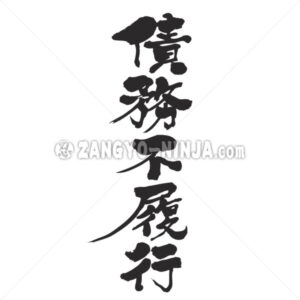
In general, this refers to the case where the developing country’s external debt accumulates and the debtor does not fulfill its contractual repayment obligations. There are two types of default: when a creditor declares to a debtor, and when the debtor refuses to pay. Japanese says “Sai mu fu ri ko”.
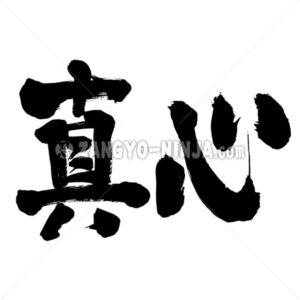
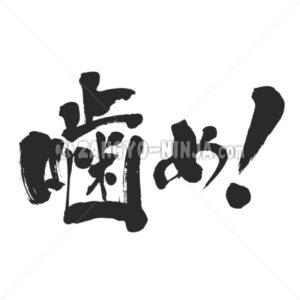
Japan calls “Ka me” in Japanese Kanji and Hiragana. 1. With the upper and lower teeth, they crush and crush things. 2. In between the upper and lower teeth, it hurts. 3. The teeth of the two gears are aligned. 4. The water of the sea and the river rushed up. 5. Join as … Read More
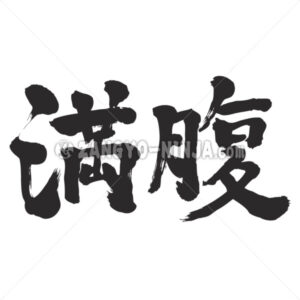
1. A state in which the appetite and thirst are satisfied. My stomach is full enough to eat no more. 2. It is used in the meaning of many, whole, hearty, etc. The whole body. Japanese says “Man puku”
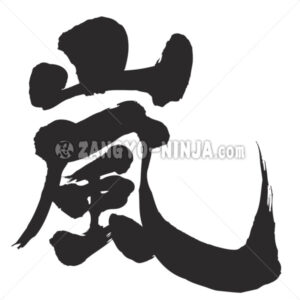
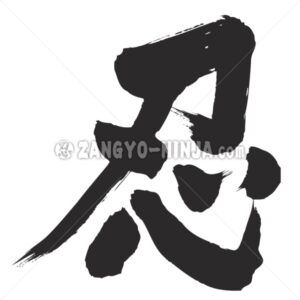
Japanese Kanji for Nin, Shinobu and Shinobi that is first letter Ninja endurance, forbearance, patience, self-restraint. one Japanese name Shibobu. Meaning of this Kanji (1) To suppress one’s feelings. To avoid expressing painful feelings. (2) To make one’s actions inconspicuous. To avoid publicity by hiding. (3) To be patient.
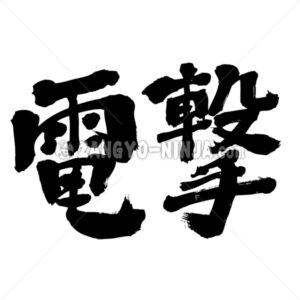
1. a reflex response to the passage of electric current through the body. 2. the use of electricity to administer punishment or torture. 3. trauma caused by the passage of electric current through the body. Japanese says Den-geki.
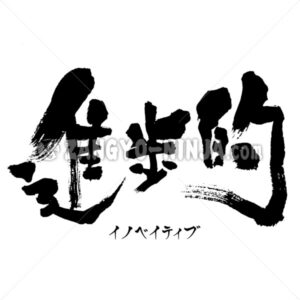
Description for innovative reformist, reform-minded, progressive, progressive, progressive, forward-looking, modern. favoring or promoting reform. favoring or promoting progress. ahead of the times. Its read Shin-po-teki as kanji, in Japanese.
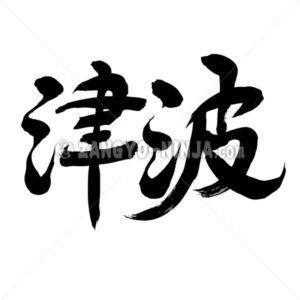
Une vague sismique, un raz-de-marée. Un cataclysme résultant d'une vague marine destructrice provoquée par un tremblement de terre ou une éruption volcanique.
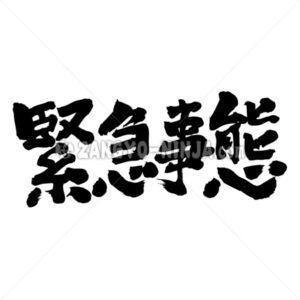
The exact meaning is “a state of emergency”. Usually, the first two letters are clamant, crying, exigent, instant, insistent, urgent, pressing, emergent, pinch, exigency, emergency. Japanese says Kin-kyu-ji-tai.