
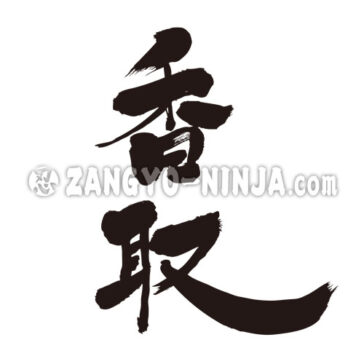
Katori
|

Katori est un nom de famille japonais. Son étymologie provient du lieu où réside le dieu, du lieu sacré, de la porte des dieux, et de l'endroit où l'on formule un vœu. « Encens » est une variante du nom du dieu, et « tori » désigne une section particulière. On retrouve ce nom de lieu dans les préfectures de Miyagi, Ibaraki, Chiba, Mie, etc. > Japonais… Lire la suite


Aaron
|

Your (her/his) name became a Chinese character [Kanji]. This used as a phonetic symbol rather than for its meaning. > What are your (his/her) name in kanji?

Robert
|

translated name into kanji for Robert. Your (her/his) name became a Japanese Kanji. This used as a phonetic symbol rather than for its meaning. > What are your (his/her) name in kanji?

Elis
|

Your (her/his) name became a Chinese character [Kanji]. This used as a phonetic symbol rather than for its meaning. > What are your (his/her) name in kanji?

Kimura
|

Kimura est le 18e nom de famille japonais le plus courant. Son étymologie signifie « arbre » pour désigner ce village. > Noms japonais en kanji : classement par nom de famille au Japon. Classement Nom Nombre approximatif de personnes 1er Sato 1 853 000 2e Suzuki 1 786 000 3e Takahashi 1 399 000 4e Tanaka 1 326 000 5e Ito 1 065 000 6e Watanabe 1 055 000 … Lire la suite

Abiel
|

> What are your (his/her) name in kanji? name Abiel in Japanese Kanji. This used as a phonetic symbol rather than for its meaning. Your (her/his) name became a Chinese character [Kanji].

Sandra
|

name translated into kanji for Sandra. Your (her/his) name became a Japanese Kanji. This used as a phonetic symbol rather than for its meaning. > What are your (his/her) name in kanji?

Elizabeth by name
|

Your (her/his) name became a Chinese character [Kanji]. This used as a phonetic symbol rather than for its meaning. > What are your (his/her) name in kanji?

Koichi
|

Kouichi is a common masculine Japanese given name. There are various etymologies, but the first thing that comes to mind is a child who was born as the eldest son and shines like a jewel. There are other ways to say “Mitsu-kazu, Mitsu-hito, Ko-itsu” and “Pika-ichi”. pika-ichi is not used as a personal name, … Read More

Abner
|

name Abner in Japanese Kanji. This used as a phonetic symbol rather than for its meaning. Your (her/his) name became a Chinese character [Kanji]. > What are your (his/her) name in kanji?

Sharon
|

translated name into kanji for Sharon. Your (her/his) name became a Japanese Kanji. This used as a phonetic symbol rather than for its meaning. > What are your (his/her) name in kanji?

Izabella by name
|

Your (her/his) name became a Chinese character [Kanji]. This used as a phonetic symbol rather than for its meaning. > What are your (his/her) name in kanji?

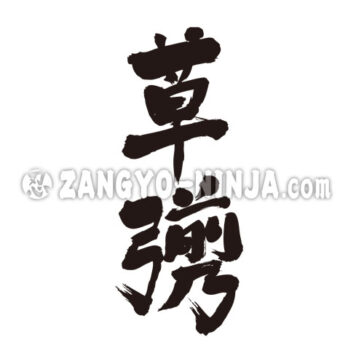
Kusanagi
|

Kusanagi is the Japanese surname. It is the surname of Akita prefecture, and is especially common in the northern part of the prefecture. He is said to be a descendant of Emperor Bunmu, and when he played the role of Gosannen War, he was said to have been given the surname “Kusanagi because he … Read More

Aby
|

name Aby in Japanese Kanji. This used as a phonetic symbol rather than for its meaning. Your (her/his) name became a Chinese character [Kanji]. > What are your (his/her) name in kanji?

Susan
|

name translated into kanji for Susan. Your (her/his) name became a Japanese Kanji. This used as a phonetic symbol rather than for its meaning. > What are your (his/her) name in kanji?

Anthony
|

Your (her/his) name became a Chinese character [Kanji]. This used as a phonetic symbol rather than for its meaning. > What are your(his/her) name in Kanji?

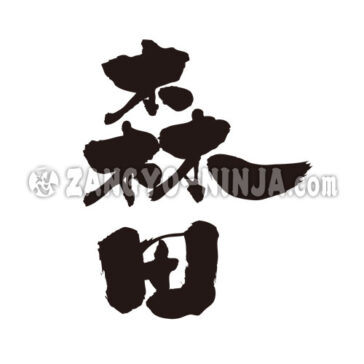
Morita
|

Morita est le 60e nom de famille japonais le plus courant. Son étymologie signifie « rizière près de la forêt ». Plus tard, en raison de la forme de la forêt et de la présence d'un sanctuaire, le nom aurait été transformé en Morita. > Produits classés par nom de famille au Japon. Classement par nom de famille, nombre approximatif de personnes… Lire la suite

Adam
|

Your (her/his) name became a Chinese character [Kanji]. This used as a phonetic symbol rather than for its meaning. > What are your (his/her) name in kanji?

Alex
|

translated name into kanji for Alex. Your (her/his) name became a Chinese character [Kanji]. This used as a phonetic symbol rather than for its meaning. > What are your (his/her) name in kanji?

Ashley
|

Name Ashley translated into Japanese Kanji. Your (her/his) name became a Chinese character [Kanji]. This used as a phonetic symbol rather than for its meaning. > What are your (his/her) name in kanji?

Ninomiya
|

Ninomiya is the Japanese surname. Mr. Ninomiya is abundant in Nanyo and is said to have a surname derived from the place where the shrine was enshrined. Another book also states that the imperial family is involved in the ancestors. > Japanese names in Kanji Ranked by surname (family name) in Japan. Ranking Surname … Read More

Adele
|

translated name into kanji for Adele. Your (her/his) name became a Chinese character [Kanji]. This used as a phonetic symbol rather than for its meaning. > What are your (his/her) name in kanji?

Betty
|

translated name into kanji for Betty. Your (her/his) name became a Chinese character [Kanji]. This used as a phonetic symbol rather than for its meaning. > What are your (his/her) name in kanji?

Eva
|

Your (her/his) name became a Chinese character [Kanji]. This used as a phonetic symbol rather than for its meaning. > what are your(his/her) name?

Ohno
|

Ohno is the Japanese surname. The etymology is a big field. In the olden days, it also means “Base field”. > Japanese names in Kanji Ranked by surname (family name) in Japan. Ranking Surname approximate number of persons 1st Sato 1,853,000 2nd Suzuki 1,786,000 3rd Takahashi 1,399,000 4th Tanaka 1,326,000 5th Ito 1,065,000 6th … Read More

Adlai
|

translated name into kanji for Adlai. This used as a phonetic symbol rather than for its meaning. Your (her/his) name became a Chinese character [Kanji]. > What are your (his/her) name in kanji?

Carol by horizon name
|

Name Carol translated into Japanese Kanji. Your (her/his) name became a Chinese character [Kanji]. This used as a phonetic symbol rather than for its meaning. > What are your (his/her) name in kanji?

Adrian
|

Name Adrian translated into Japanese Kanji. Your (her/his) name became a Chinese character [Kanji]. This used as a phonetic symbol rather than for its meaning. > What are your (his/her) name in kanji?

Adolf
|

translated name into kanji for Adolf. Your (her/his) name became a Chinese character [Kanji]. This used as a phonetic symbol rather than for its meaning. > What are your (his/her) name in kanji?

Caroline by vertical as name
|

Translated name into kanji for Caroline with “Ki” first letter in Japanese Katakana . Your (her/his) name became a Japanese Kanji. This used as a phonetic symbol rather than for its meaning. > What are your (his/her) name in kanji?

1 2 3 4