

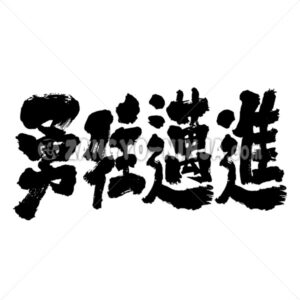
Questa è una frase di incoraggiamento giapponese rappresentativa. Significa avanzare con audacia e dritto, riferendosi al muoversi con tutto il cuore e senza esitazione verso il proprio obiettivo. "勇往" (yūō) significa avanzare senza esitazione. "邁進" (maishin) significa avanzare rapidamente e senza paura. In giapponese, significati simili sono talvolta espressi unendo diversi kanji (o... Leggi tutto
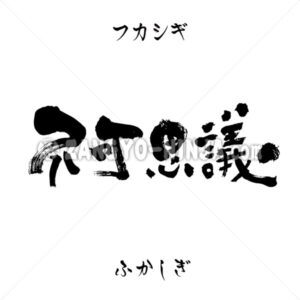
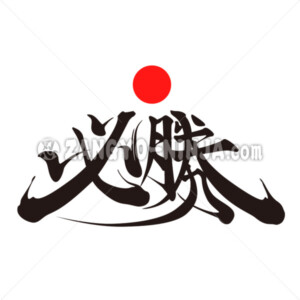
Questo termine è diventato di uso comune nel mondo dello Shogi (scacchi giapponesi). Si riferisce a una situazione in cui l'esito di una partita è già deciso a favore di una delle due parti. Viene spesso utilizzato nelle fasi finali di una partita, quando una delle due parti ha ottenuto un vantaggio significativo... Leggi tutto
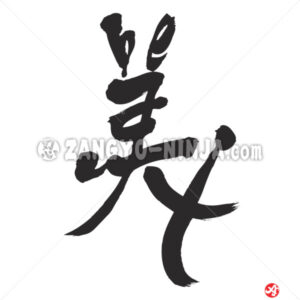
Quest'opera è composta dalla parola giapponese "美し" e dal suo sinonimo "beauty" in inglese. È scritta in inglese con il giapponese in una tecnica chiamata bicalligrafia. "美し" è una sorta di abbreviazione. In giapponese si dice "Utsuku-shi". Nei classici giapponesi viene descritta come "Utsuku-shi (美し)". Inoltre, la sfumatura è leggermente... Leggi tutto
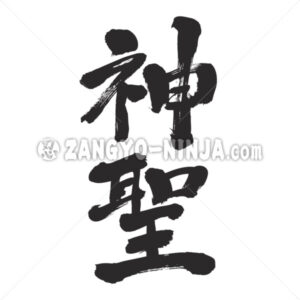
Description for Holly A precious and funny thing. Be clean and free of blemishes. In particular, as an object of religion and belief, it has a special and precious value that should be treated separately from everyday affairs and things.
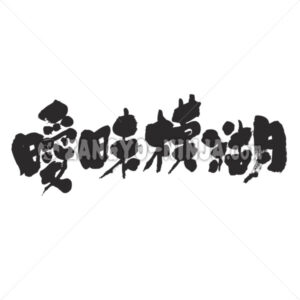
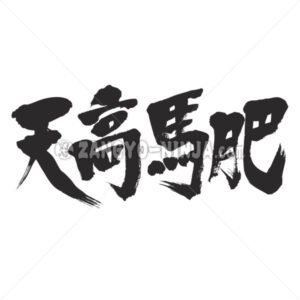
Descrizione per Quel clima autunnale rinfrescante e piacevole come idiomi di quattro lettere In autunno, il cielo è limpido e il tempo è piacevole, il che significa che l'appetito aumenta e i cavalli ingrassano. Quando un sistema di alta pressione migratorio che si sviluppa sul continente copre dolcemente le vicinanze del Giappone, si diffonde aria secca e rinfrescante. … Leggi tutto
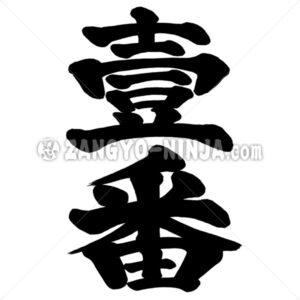
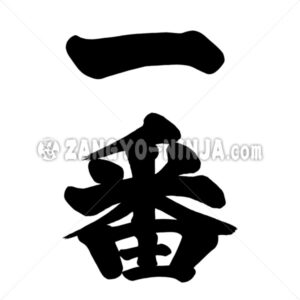
The top in Japanese has various ways of writing it, and this is one example. The beginning of the order and the top of the order. It is also used to mean the most. The first or highest in order or sequence. The meaning of the first element in the series that can be … Read More
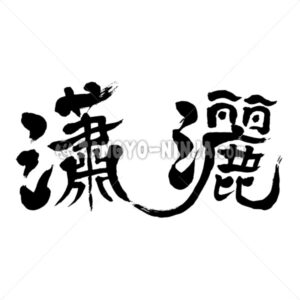
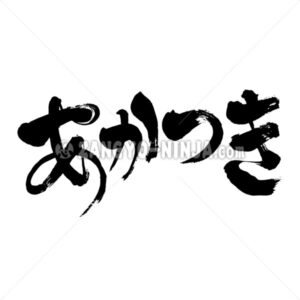
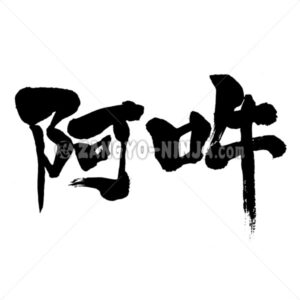
L'inizio e la fine delle cose. Alfa e Omega. Dalla A alla Z. In giapponese si dice "A un". La prima lettera dell'Hiragana giapponese è A (あ) e l'ultima Nn (ん) è Kanji. È una parola antica.
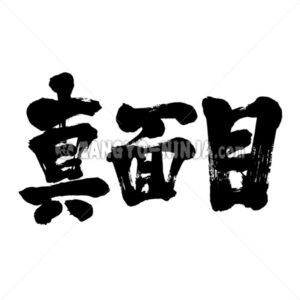
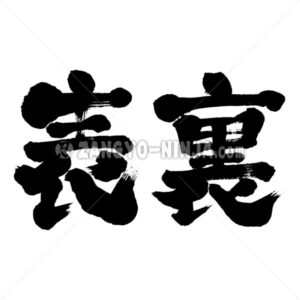
1. The front and back of an object. The outside and inside of the matter. Also, it must be in a front-to-back relationship. Positions and positions conflict with each other. 2. There is a difference between the outside and the inside. The difference between what you say and do in public and what you … Read More
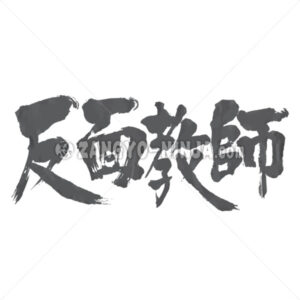
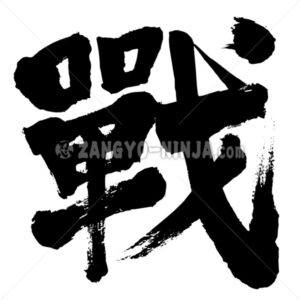
1. Fight with a weapon. 2. competition. It’s about to win or lose. It is a Kanji that old Japanese were using. With transliteration in Katakana that you can custom letter. Japanese says Ikusa.
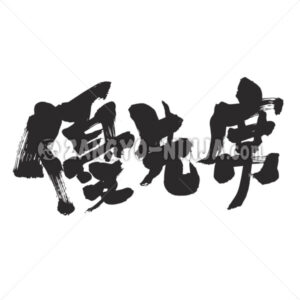
It is a seat that gives priority to or encourages the elderly, disabled, poorly ill, pregnant women, and families with infants (including strollers) installed in railroad cars and buses. Japanese says “yu sen seki”.
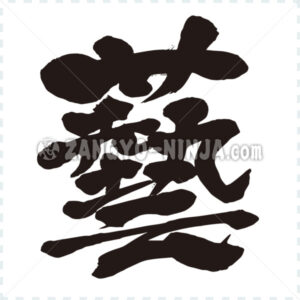
Special skills and techniques acquired through training, such as learning, martial arts, and traditional performing arts. A special move performed in public. Performing arts, acrobatics, etc. Japanese said “Gei” as old kanji letter.
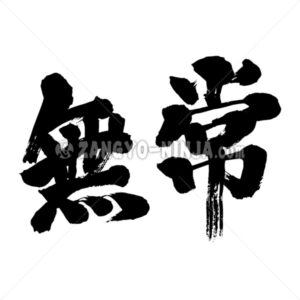
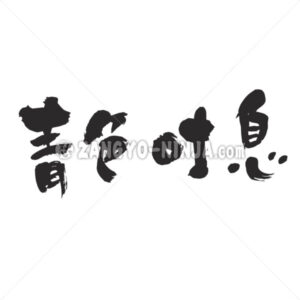
An unsatisfactory sigh when you are in very troubled or extremely painful. It also refers to the state at such time. When you have a lot of hard work and hard work, you are exhausted from your body and mind, and you have a hard time breathing. Japan call “Ai iro to iki”.
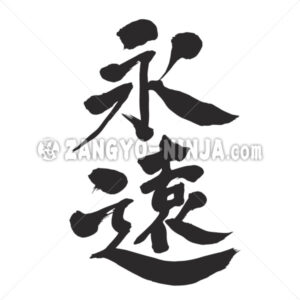
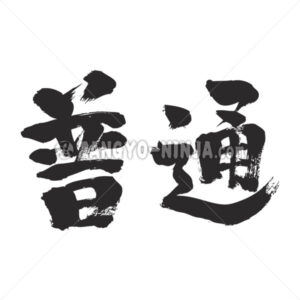
1. It is very common. Be normal. 2. To communicate widely or to the public. Also common to all things within a certain range, with no exceptions. Japan call “Fu tu”.
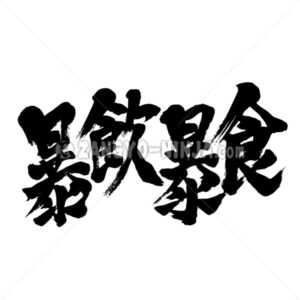
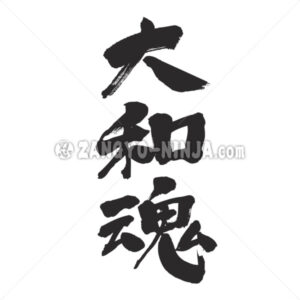
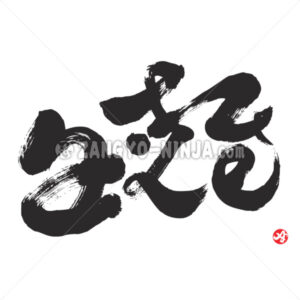
1. This refers to the ability and wisdom to handle Japanese business practices and current affairs for the knowledge gained from studying Han studies. 2. A spirit unique to the Japanese people, used in national ideology since the early modern times. Japanese consciousness. Japan says “Yamato Damashii”.
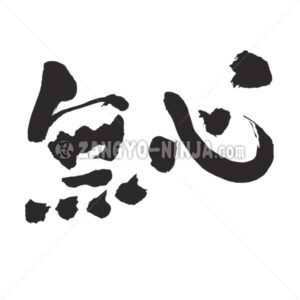
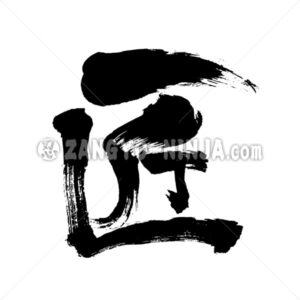
Description for Artisan A person whose job is to create works and buildings using hand techniques and tools. Techniques applied to workpieces and buildings. design. Preference. Technique to create beautiful things. The method that it found through thinking. In Japanese, it’s said Takumi.