
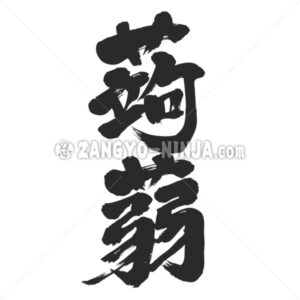
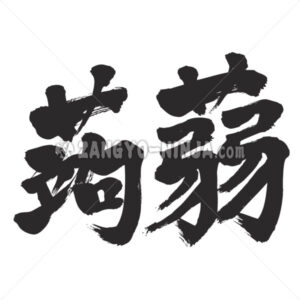
paste made from konjak flour. Solidified jelly made from the rhizome of devil’s tongue (Konjak taros). Low calorie and healthy foods in Japan. konjac, elephant’s‐foot, Amorphophallus, Amorphophalus rivieri, Amorphophallus konjak. Japanese says “Kon nyaku”.
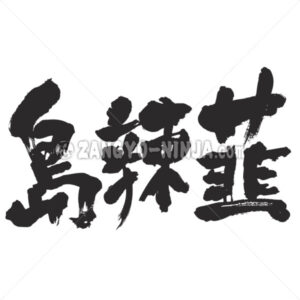
Rakkyo, a native species of Okinawa Prefecture. It is smaller and has a stronger scent than the scallions cultivated on the mainland. In addition to salted and sweet and sour sauce, it is also suitable for raw food and tempura. Allium bakeri, scallion, pickled shallot made in Okinawa. Japanese says Shima-rak-kyou.

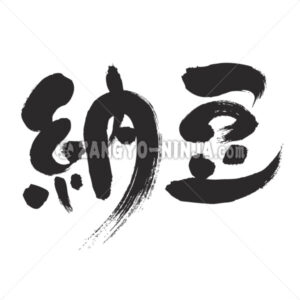
a food called fermented soybeans. Natto is sticky and it have long threads trailing from them. This food that is regarded as being good for health, but the Japanese people can also be divided into likes and dislikes. There are three main types of natto Itohiki (stringy) natto Itohiki natto is the first type … Read More
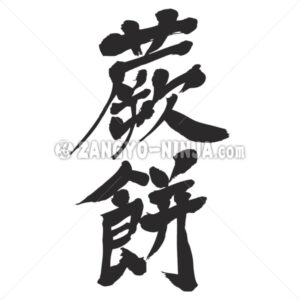
Japan calls “Warabi mochi”. Warabi is edible Pteridium, Pteridium herb and Bracken in Japan. Warabimochi is a jelly-like confection made from bracken starch and covered or dipped in kinako.
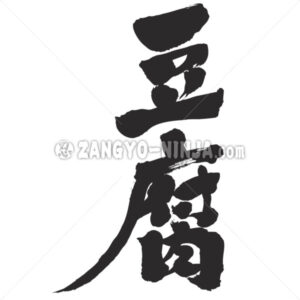
Soymilk is made by crushing soybeans soaked in water and simmering them with a cloth to make soymilk, and then adding bittern to the bittern to harden it. One of the typical Japanese foods, it is a soft white food made by solidifying soybean protein. Depending on the manufacturing method, it can be divided … Read More

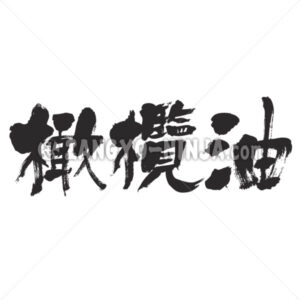
Olive oil is an oil obtained from the olive (Olea europaea; family Oleaceae), a traditional tree crop of the Mediterranean Basin. It is commonly used in cooking, cosmetics, pharmaceuticals, and soaps and as a fuel for traditional oil lamps. Olive oil is used throughout the world, but especially in the Mediterranean countries.
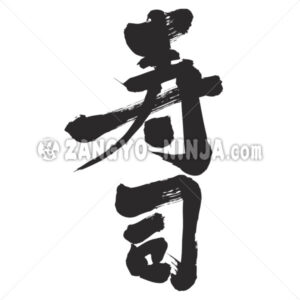
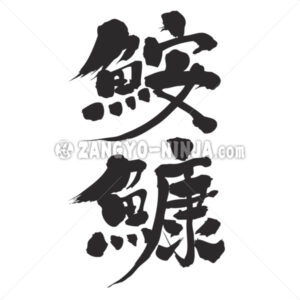
Total length about 1m. The body is gray or grayish white, with dark, pale, pale mottles. The chest is darker than the body color. The head is large, wide and flat. The tail is thin and short. Have a rooster, shake it to attract small fish and eat. It is served for cooking in … Read More
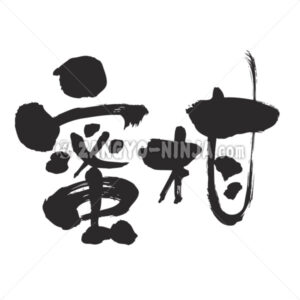
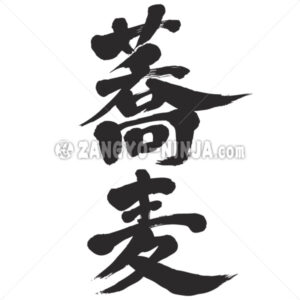
Spaghetti giapponesi, preparati con farina di grano saraceno ricavata dalla materia prima del grano saraceno, e piatti che li utilizzano. In giapponese si chiamano "Soba".
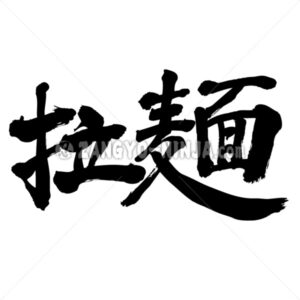
Il ramen è un piatto nato dall'influenza della cucina cinese a base di noodles in Giappone e dalla sua fusione con la cultura culinaria giapponese. Combinando i cinque elementi di noodles, brodo, salsa, ingredienti e grassi/olio, si possono creare infinite ricette, e ne esistono molte varianti in termini di gusto e stile, tra cui la salsa di soia... Leggi tutto
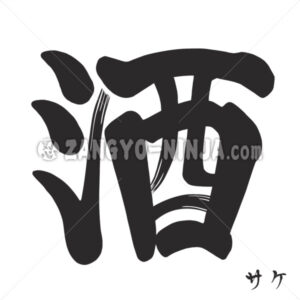
About Sake An alcoholic beverage made by fermenting rice. Japanese sake. In ancient times, cloudy sake was predominant, but clear sake began to be produced around the Muromachi period. Today, it primarily refers to clear sake. Made from rice, rice koji (malted rice), and water, fermented and then filtered. Secondary ingredients such as glucose, … Read More
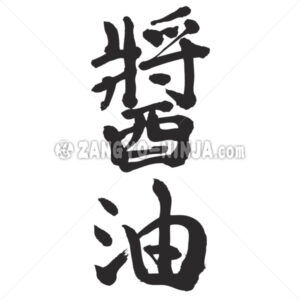
One of the most important seasonings in Japan, unique to Japan. Soy sauce koji made from soybeans and wheat is prepared by adding a concentrated salt solution and squeezed and fermented for about one year. Japanese says Sho-yu, Shou-yu. It is an essential seasoning for Japanese people When you get off at an overseas … Read More
Sukiyaki history One of the hot pot dishes. Beef is mainly used, but there are also chicken plows that use chicken, pork and other meats and fish and shellfish. There is no theory that the meaning of sukiyaki is that plow was used instead of a pot, but the use of used plow is … Read More
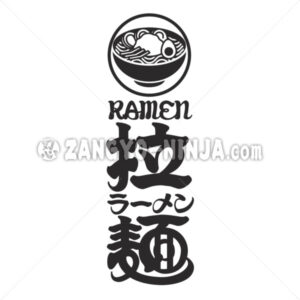
Il ramen giapponese è diventato incredibilmente vario. Partendo dai noodles importati dalla Cina come "noodles cinesi", le persone hanno modificato i noodles, il brodo e i condimenti. Il ramen ha rapidamente guadagnato popolarità tra le masse e si è diffuso in tutto il Giappone in pochissimo tempo. Descrizione di quest'opera Un'illustrazione di ramen che ricorda uno stemma di famiglia è... Leggi tutto