

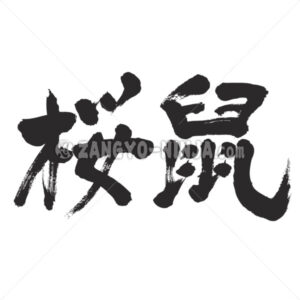
un nome di colore. Sakura Nezumi è un fiore di ciliegio chiaro che spolvera leggermente un grigio cremisi pallido e opaco o un nero tenue. Il cosiddetto ciliegio Sakura (Sumizome). Il colore a cui il topo aderisce il nome del colore può essere visto intorno al primo periodo Edo, ma sembra che Sakura-Nezumi abbia iniziato ad essere... Leggi tutto
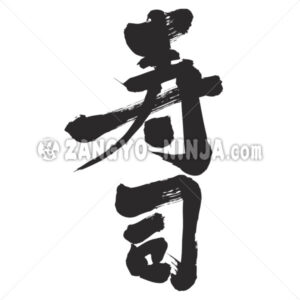
Descrizione del sushi: Qualsiasi pietanza a base di riso condito con aceto che contenga anche verdure, spezie, pesce o altre prelibatezze. Esistono diversi tipi di sushi, a seconda della località. Il più comune è il "Nigirizushi", originario del distretto di Tokyo. Il Nigirizushi consiste in piccole palline ovali di riso condite con aceto e zucchero... Leggi di più
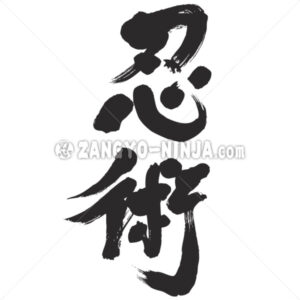
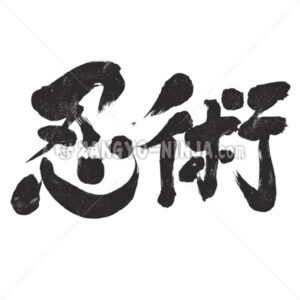
Special techniques used in military strategy during the samurai era. These techniques were used for purposes such as espionage, information gathering, plotting, and assassination, and involved disguises, invisibility, and trickery to take advantage of people’s weaknesses and act boldly and swiftly. The origins of these techniques can be found in China’s Sun Tzu’s Art … Read More
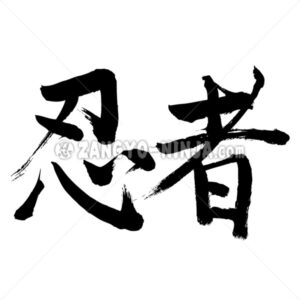
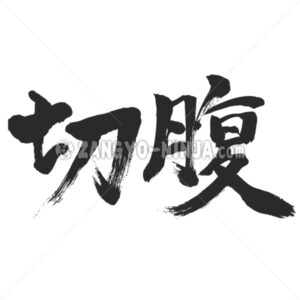
Suicidio rituale mediante sventramento con una spada. Una forma di suicidio rituale per sventramento con una lama, praticata dai samurai giapponesi, soprattutto per liberarsi dalla vergogna, come forma di protesta o, in passato, come metodo di pena capitale. In giapponese si dice Seppuku.
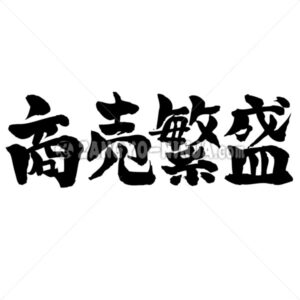
Un'attività fiorente e prospera. Questo Kanji che può esaudire il tuo desiderio è scritto in quattro lettere idiomatiche. È di molto tempo fa. Il giapponese dice Sho-bai-han-jo.
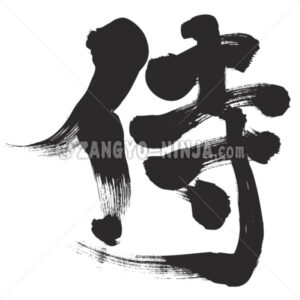
Nel Giappone feudale, un soldato al servizio di un daimyo e di uno shogun. Un guerriero giapponese che era membro dell'aristocrazia militare feudale.
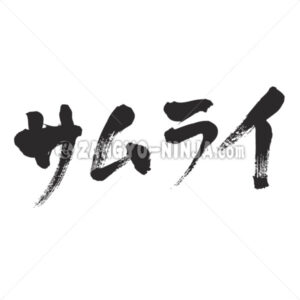
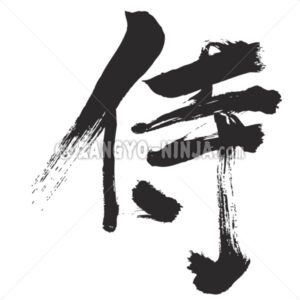
Nel Giappone feudale, un soldato al servizio di un daimyo. Un guerriero giapponese che era membro dell'aristocrazia militare feudale.

A horticultural technique peculiar to Japan in which trees are planted in small pots and cultivated so as not to damage the appearance of nature. It is important to express the atmosphere of nature, and it is an art of horticulture. Almost all kinds of zelkova, maple, plum, etc. can be bonsai, and even … Read More
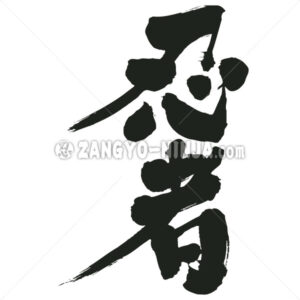
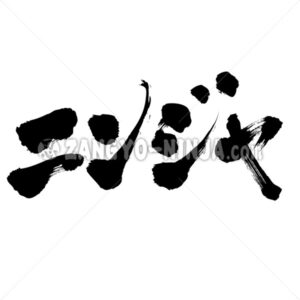
This is calligraphy written in katakana for Ninja From the Muromachi period to the Edo period, ninjas were skilled individuals who were employed by daimyo and feudal lords to carry out espionage, sabotage, and assassinations. Ninjas appearing in historical dramas, manga, and anime are depicted as wearing black clothing and operating under the cover … Read More
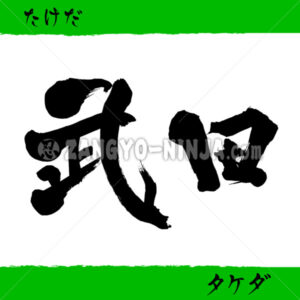
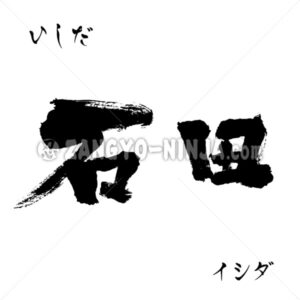
Hello, Mr. Ishida. This is an explanation of the origin of the surname Ishida, which is shared by your ancestors and friends. This surname is relatively common, with 260,000 people bearing it nationwide. Meaning of each character in this surname: “石” (pronounced ishi) → stone “田” (pronounced ta, da) → rice field As basic … Read More