


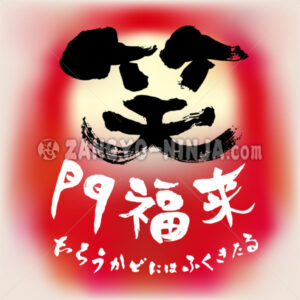
La felicità arriva naturalmente nelle case piene di risate. Questa frase deriva dal proverbio "Wa ra u ka do ni ha fu ku ki ta ru" (la risata porta fortuna), che significa che la felicità arriva naturalmente nelle famiglie dove i sorrisi non cessano mai. Il testo in hiragana sotto quest'opera corrisponde a quel proverbio. Per quanto riguarda i kanji... Leggi tutto
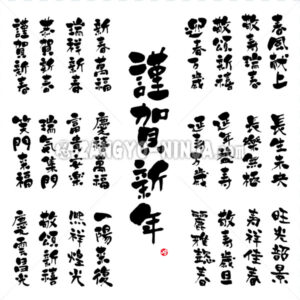
Handwritten and designed greetings for 25 types of New Year’s cards in Kanji. There are 2- and 4-character New Year’s greetings, which are words that are also used as 4-character phrases. (Some of them are not idioms and are not found in dictionaries.) Four-letter New Year’s greeting cards are considered to be used not … Read More
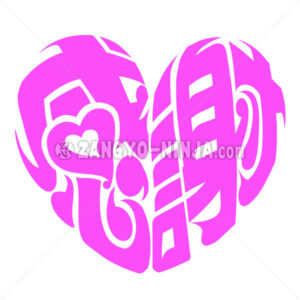
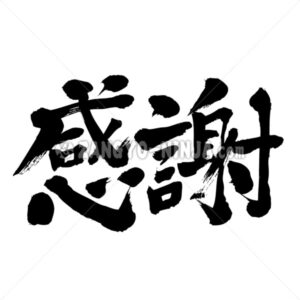
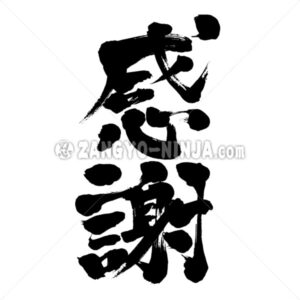
Since gratitude is something that is felt with the heart (although some say it is conveyed as a will to the head), the design is a heart-shaped version of the kanji character for gratitude. What is gratitude? Gratitude is an emotion that we feel when we recognize that we have obtained some good result, … Read More
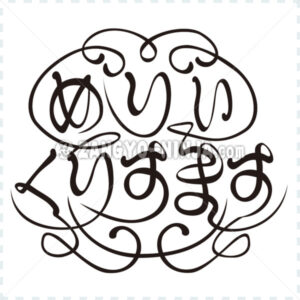
Descrizione di Buon Natale in Hiragana giapponese. Questa è una traduzione colloquiale di Buon Natale scritto in hiragana. È un disegno che lo dispone in stile corsivo.
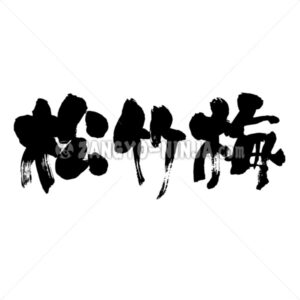
charms and is said to be auspicious along with the crane turtle. Since all three can withstand the cold, they are called Three Friends of Winter and are used for ceremonies as congratulations. A word used in place of each grade when goods and seats are divided into three grades. Pine, bamboo, and plum … Read More
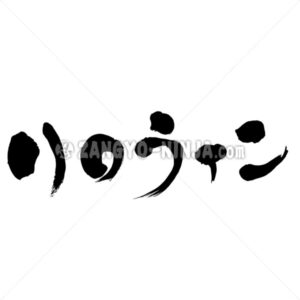
Una festa originaria dell'Europa, che si celebra ogni anno il 31 ottobre. Originariamente un evento religioso che celebra il raccolto autunnale e scaccia gli spiriti maligni, si svolge la notte prima di Ognissanti, il giorno dei Santi Cattolici, il 1° novembre. Abbreviata in "All-hallow-even" e chiamata Halloween. Negli ultimi anni c'è Halloween... Leggi tutto
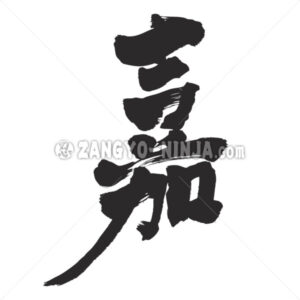
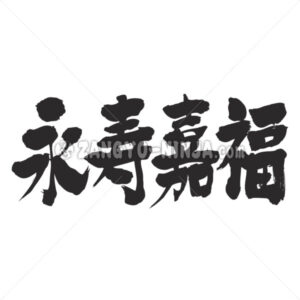
Si tratta di un'espressione che usiamo per augurare il nuovo anno e pregare per una lunga vita e felicità. In Giappone si chiama "Ei ju ka fuku".
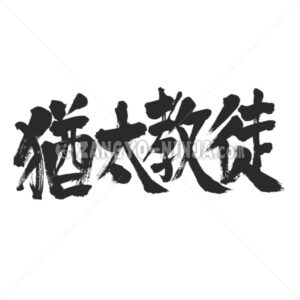
A Jewish religion that originates from the Hebrew Yahweh religion. It is a monotheistic religion that makes Yahweh the only absolute god, and yet Yahweh is a religion that is made from the covenant between God and men who elect Jews. Those who believe in that religion. Japanese says “Yudaya kyo to”.
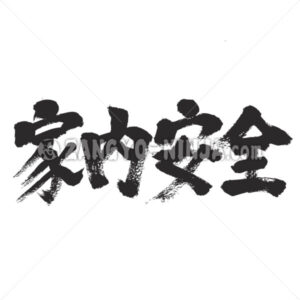
Significa che la famiglia sarà al sicuro e libera da varie calamità in quell'anno, che la famiglia sarà prospera e che tutti i membri della famiglia saranno sani, avranno uno spirito stabile e pieno di vitalità. In giapponese si dice "Ka Nai An Zen". Esempi di traduzioni in inglese: pace e prosperità nell'anno... Leggi tutto
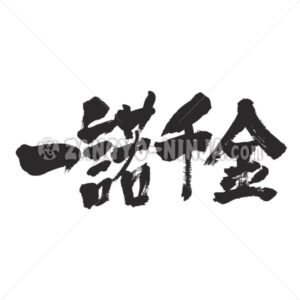
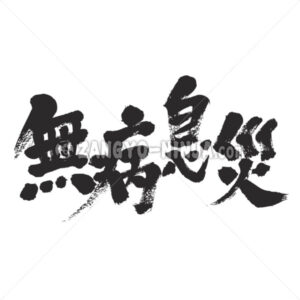
Una vita vivibile senza malattie o infortuni. In giapponese si dice "Mu Byo Soku Sai" (Una vita serena, senza malattie o infortuni).
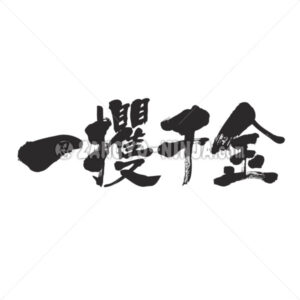
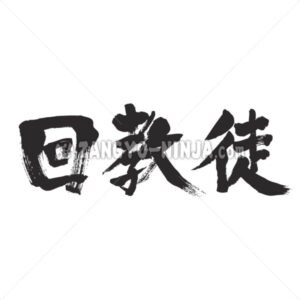
Muslims are people who follow or practice Islam, a monotheistic Abrahamic religion. Muslims consider the Quran, their holy book, to be the verbatim word of God as revealed to the Islamic prophet and messenger Muhammad. They are the only people in the world who believe in God (Allah), devote themselves to them, and practice … Read More
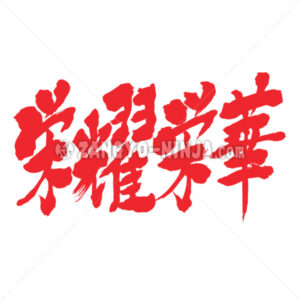
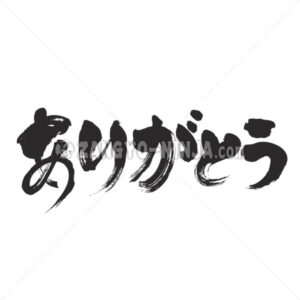
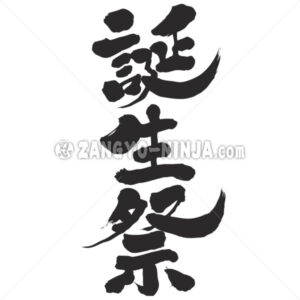
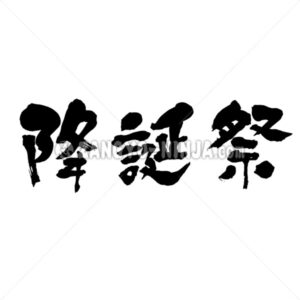
Celebrare il compleanno di una persona o di un personaggio, reale o immaginario. In Giappone si chiama "Tan Jo Sai".
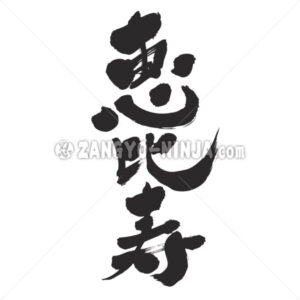
1. Ebisu is a famous place name in Tokyo Ebisu is a neighborhood in Shibuya, Tokyo, Japan. Conveniently near Roppongi and central Shibuya, Ebisu is easily accessed by the JR Yamanote and Hibiya lines via Ebisu Station. Together with the trendy neighboring communities of Daikanyama and Hiroo, it has boutiques, vintage stores and patisseries … Read More
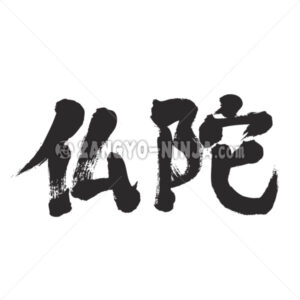
It represents someone who has attained enlightenment. The term “Buddha” is not a proper noun, but rather means “enlightened one” or “one who has attained enlightenment.” Most people think that Shakyamuni Buddha is the Buddha, but this is not the case. In Japan, before the Meiji period, the term “Buddha” was not used, and … Read More