

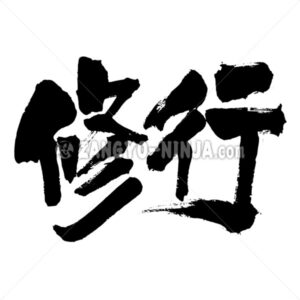
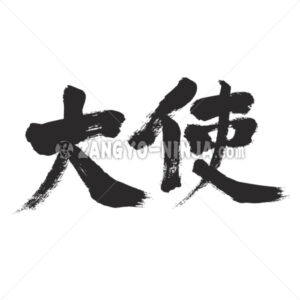
1. Top of diplomatic missions. There are temporary correspondent ambassadors and resident special ambassadors, and usually refer to the latter. 2. A person who is appointed from a local government, an organization, a company, etc. and performs public relations activities. 3. A messenger dispatched formally under the orders of central government agencies such as … Read More
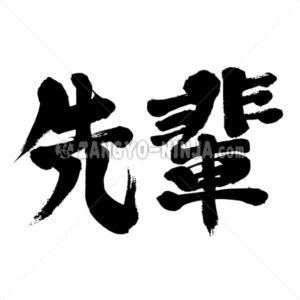
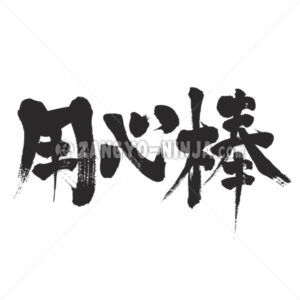
1. An armed person who is put on the side for escorts and in extreme cases. 2. A stick to prepare for the invasion of thieves. Japan call “Yo jin bo”.
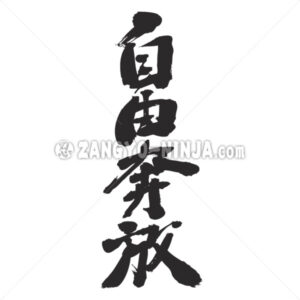
Acting with your own mind, without being bound by social rules and conventions. Don’t follow the rule. Japan call “Ji yu hon po”. There are both positive and negative nuances. Positive: An attitude of acting on one’s own volition, unrestrained by anything. Negative: Acting selfishly without consideration for others. The first two letters are … Read More
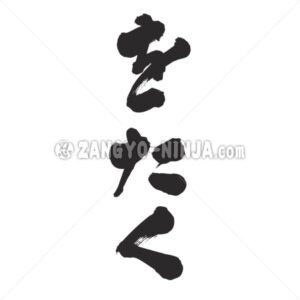
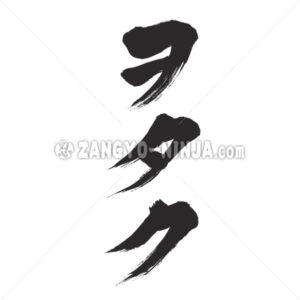
A designation for people who are too inclined to their favorite things or areas of interest. It is a person who is enthusiastic about a certain thing much more than ordinary people. It’s in Japanese Katakana vertically. It is normal notation to use “オ” for the first letter, but in net slang and otaku … Read More
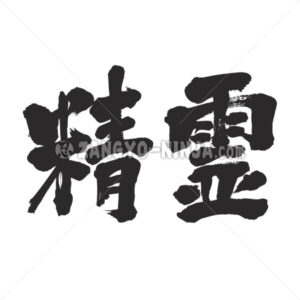
1. The soul that is believed to dwell in various things such as Yamakawa, grass and trees. It is the object of worship of primitive religions. 2. Soul of the dead. Japanese says “Sei rei”.
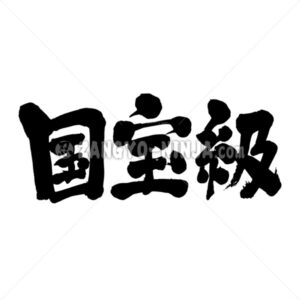
It is not “national treasure” which country appoints, but may be recognized as “national treasure”. Japanese says “Koku ho kyu”.
Termine generico per i primati. Scimmie, compresi gli esseri umani. Di solito hanno cinque dita su mani e piedi, il primo può essere rivolto verso gli altri quattro per afferrare le cose e la maggior parte ha unghie piatte. Cammino appoggiando i piedi a terra fino al tallone. Gli occhi sono entrambi rivolti uno accanto all'altro e possono essere... Leggi tutto
1. A group of writers who stand in the position of naturalism who insist on copying reality without doing idealization as it is. 2. A person who protects nature and lives in harmony with nature, or who advocates. Japan call “Shi zen ha”.
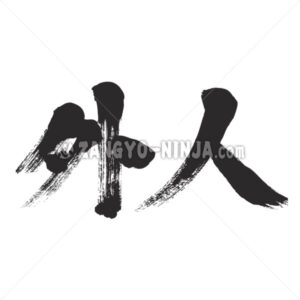
Those who do not have the nationality of the country in each country. In Japan, those who do not have Japanese nationality are foreigners, and there are foreign nationals and stateless persons. Japan call “Gai jin” as abbreviated “Gai koku jin”.
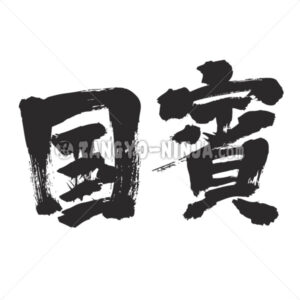
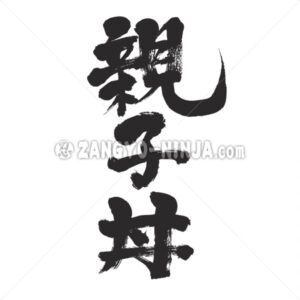
1. Stir-fried simmered chicken and onion, shiitake mushrooms, etc. are simmered with chicken eggs on a bowl of rice. It is said that it began around the middle of the Meiji era. Parents(Oya) and children(Ko) mean chicken and chicken eggs. 2. Having physical negotiations on both the mother and her daughter. Also, for one … Read More

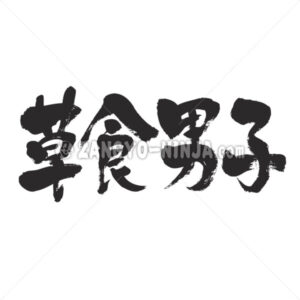
“Herbivorous boy” are men who have a mild character like herbivores. Unlike “carnivorous boy”, there is no way to actively act on the opposite sex. “Carnivorous boy” refers to people who are active in love. Japanese says “So shoku Dan shi” as coined word at recent.
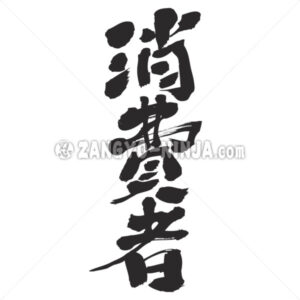
All individuals and households that purchase or obtain goods or services for personal consumption. Japanese call “Sho hi sha”.
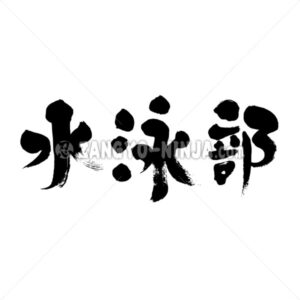
“Swimming” in the Olympics refers to the four categories of swimming, diving, water polo and synchronized swimming, but it is thought that there are many schools where activities as “swimming club” are “swimming league”.
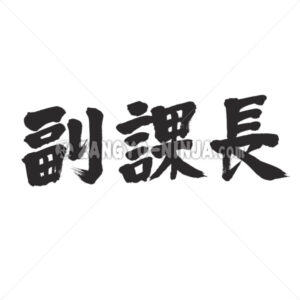
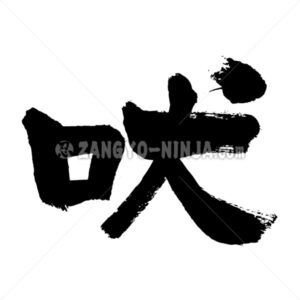
1. Le bestie urlano forte. 2. Il vento e le onde fanno un rumore forte. 3. Parla ad alta voce. 4. Fai sentire la tua voce per entusiasmarti. In giapponese si dice "Ho(e-ru)"
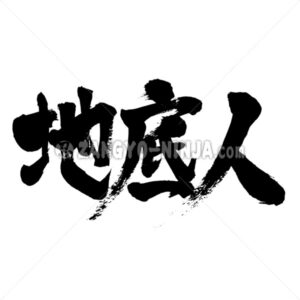
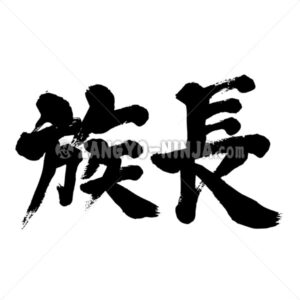
1. The head of a race, tribe, or ethnic group. 2. A term that refers to the founder of the Hebrews (ancient Israelites) in the Old Testament. Japanese said “Zoku cho”.
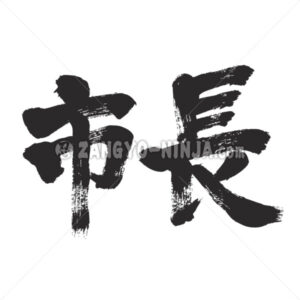
In Japan, the head of a city that is a local public entity. An executive body that represents and oversees the city. It is elected by the direct election of citizens. The term is four years. Japanese call “Shi cho”.