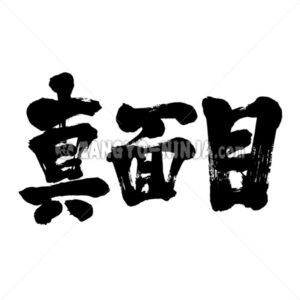
concerned with work or important matters rather than play or trivialities. Have a serious look. Be serious. It should be full of heart and no decoration. Japanese calls “Ma ji me”.
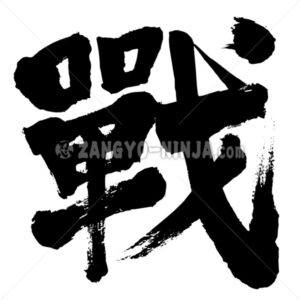
1. Fight with a weapon. 2. competition. It’s about to win or lose. It is a Kanji that old Japanese were using. With transliteration in Katakana that you can custom letter. Japanese says Ikusa.
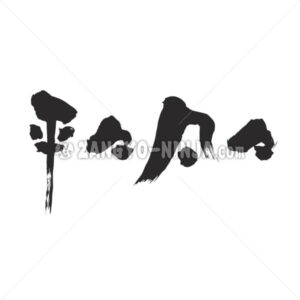
Very common. It is not average and there is nothing particularly good or unusual. Japanese says “Hei hei bon bon”. A word that strengthens “平凡(ordinary)” as four character idiom.
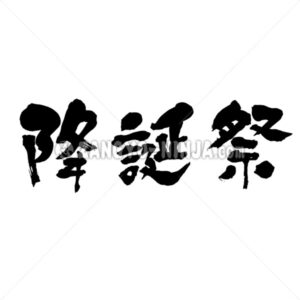
1. A holiday commemorating the birth of Jesus Christ. December 25th is the Roman-Catholic and Protestant churches, which are celebrated on January 7th in the Greek Orthodox Church and January 19th in the Armenian Church. 2. Since “Kotansai” is widely used by gods, Buddhas and monarchs, it is thought that “Seisansai” has also become … Read More
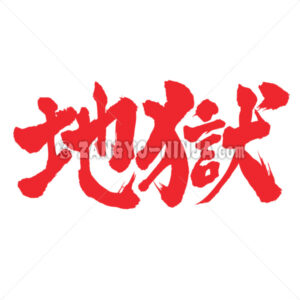
This etymology came from India in Buddhism. What used to be called “naraka” in Sanskrit was transcribed and transmitted to China to become “naraku”. In China, Naraka meant an underground prison, so it was omitted and became hell. It is said that the words “hell” and “naraku” were introduced to Japan. Japanese said “Ji … Read More
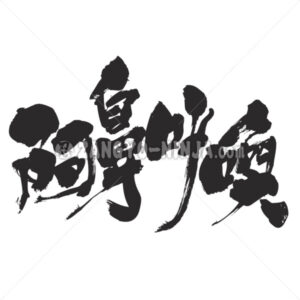

This is not about the date indicating a specific time and date, but rather an explanation of the Japanese word “Date.” The meaning of this word as “Date” To flaunt one’s spirit or chivalry. Also, the manner of doing so. To wear flashy clothing or behave ostentatiously to attract attention. To put on airs. … Read More
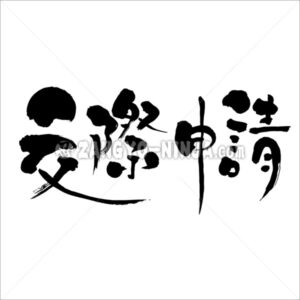
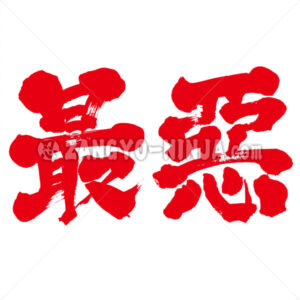
Description for worst and too bad “Worst” refers to the most unfavorable state or condition. It is a word that describes the lowest degree of something, representing the most unpleasant or unfortunate situation.
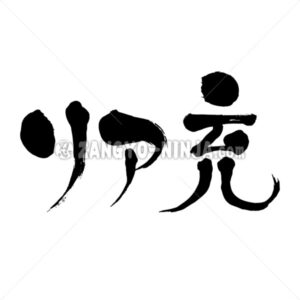
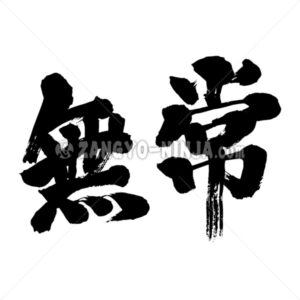
Buddhist language. Everything has changed, and it is not a permanent residence. Everything in this world changes quickly and does not stay in the same state for a while. Especially the ephemeral nature of life. Don’t know when you will die. Japanese says “Mu Jou”.
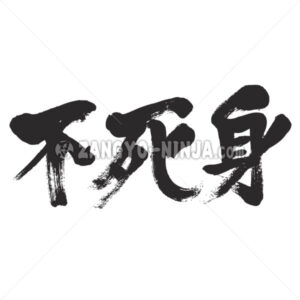
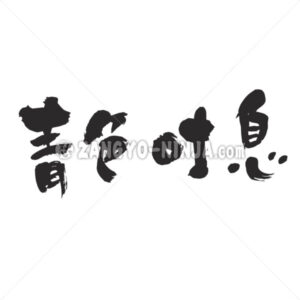
An unsatisfactory sigh when you are in very troubled or extremely painful. It also refers to the state at such time. When you have a lot of hard work and hard work, you are exhausted from your body and mind, and you have a hard time breathing. Japan call “Ai iro to iki”.
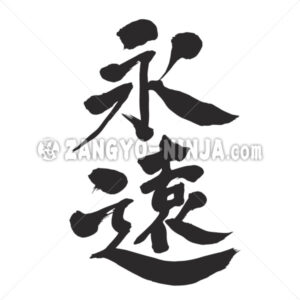
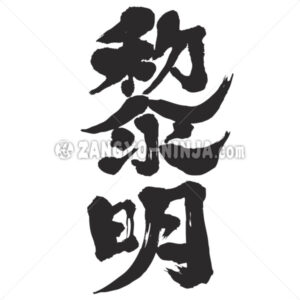
1. Quando l'alba stava per trasformarsi in mattina. 2. Quando le cose stanno per iniziare. Quando sta per nascere una nuova cultura. In Giappone si chiama "Rei mei".
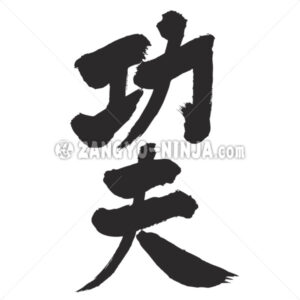
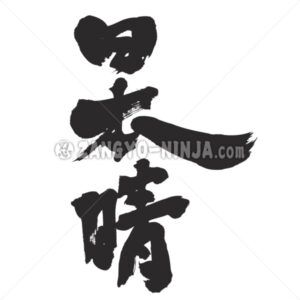
1. It is clear without a little cloud. 2. There is no doubt or anxiety, and feeling is clear. Japan call “Ni hon bare”.
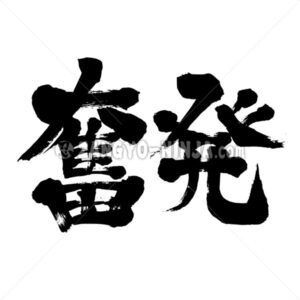
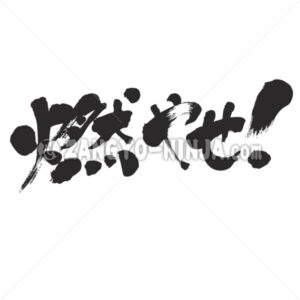
Order form of “burn”. To burn is to burn things etc. To uplift your mind and emotions. Japan call “Mo ya se” in Japanese Kanji and Hiragana.
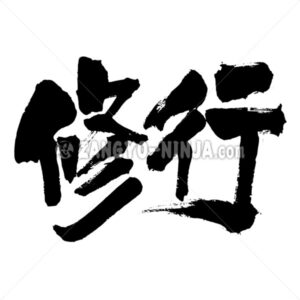
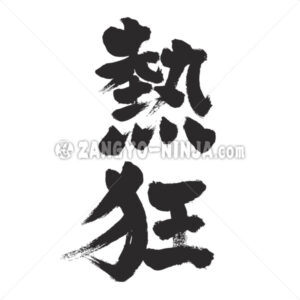
uno scoppio improvviso. traboccante di gioia o approvazione entusiasta. un vivo interesse. eccitazione intensa e condivisa. la sensazione di gioia vivace e allegra. una sensazione di eccitazione. In Giappone si chiama "Nekkyo".
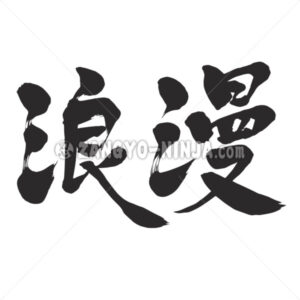
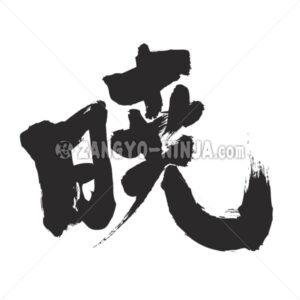
Descrizione per Akatsuki I giorni più bui prima del sorgere del sole. Anticamente, era il periodo che andava da mezzanotte e mezza a mezzanotte. Alba, albe. Chiaro. Viene anche usato per squadre sportive e nomi di aziende. Usato dalla Federazione Giapponese di Pallacanestro come soprannome per la nazionale di pallacanestro... Leggi tutto
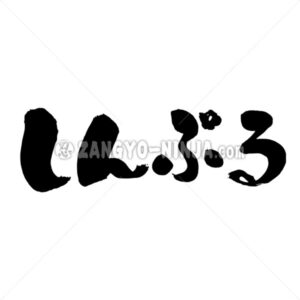
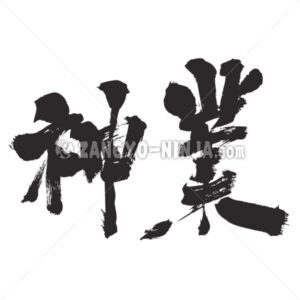
1. God’s work. Also, such superhuman skills and acts. 2. Events about God. Divine affairs. Japan call “Kami waza” “Kamu waza”.
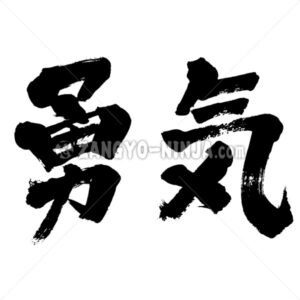
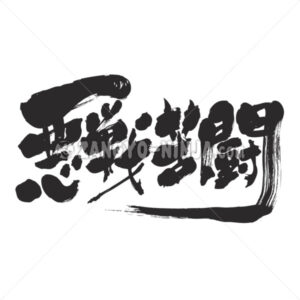
Make an effort with all your heart while suffering in a very difficult time. It is said that it is difficult to fight against a strong enemy and fight painfully. Japanese says “Aku sen ku to”.