

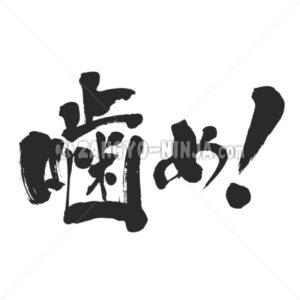
In Giappone si dice “Ka me” in caratteri Kanji e Hiragana. 1. Con i denti superiori e inferiori, schiacciano e frantumano le cose. 2. Tra i denti superiori e inferiori, fa male. 3. I denti dei due ingranaggi sono allineati. 4. L'acqua del mare e del fiume si è precipitata verso l'alto. 5. Unirsi come... Leggi tutto
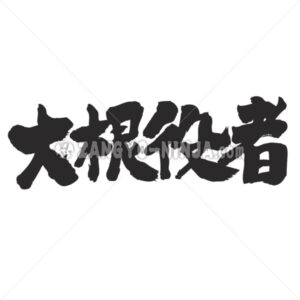
An unskilled actor who overacts. A low-class actor. Japanese says Dai-kon-yaku-sha. “Daikon Yakusha” or “Heta-kuso” (you bad actor) at present these shout are rarely heard, however, until before the War, they had been often heard in theatres.
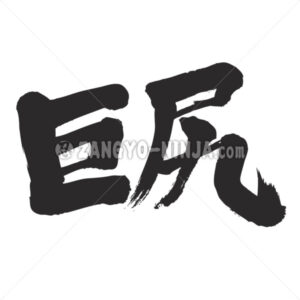
cf: the big hips, the large behind, the huge backside, the big buttocks, the large butt, the big bum. Japanese says Kyo-jiri.
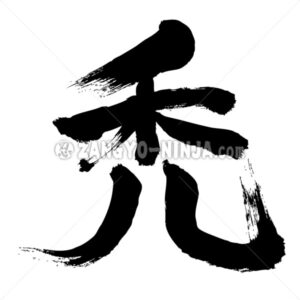
This is two means and to read. 1. Hage >> A bald spot, a bald head. 2. Kamuro >> Bobbed hair. It is a reading which Japanese people do not know very much.
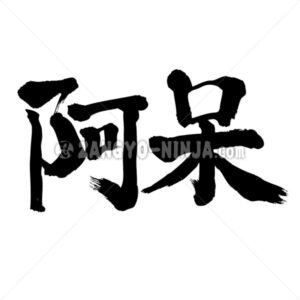
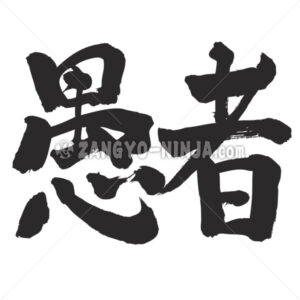
1. a person who is gullible and easy to take advantage of 2. a person who lacks good judgment. 3. The fool (Tarot card) Japanese says Gu-sha.
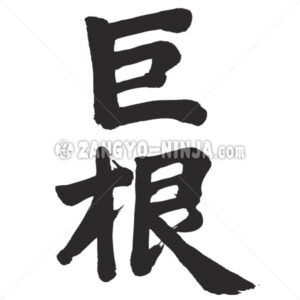
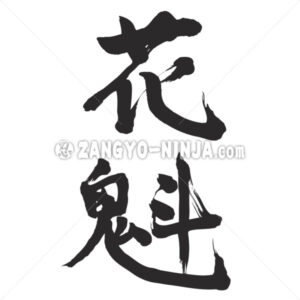
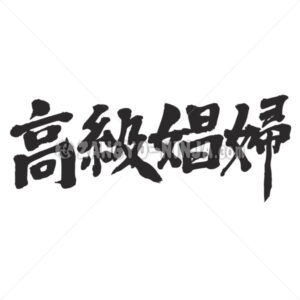
A woman who engages in sexual intercourse for money. A high-class prostitute. The oiran-class courtesans were considered to be superior to their customers.
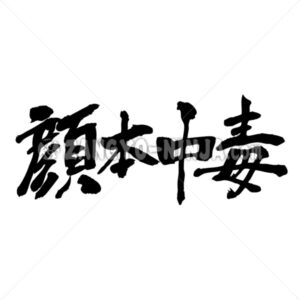

Descrizione per dipendente da Twitter. Persona che ha causato sintomi di intossicazione su Twitter. Termine di invenzione giapponese. I giapponesi lo chiamano "Twitter Chu-doku".

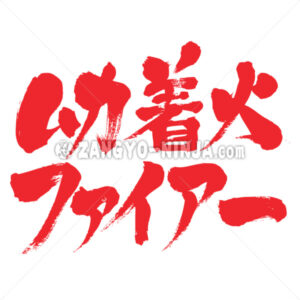
It’s coined word as very very angry. censure really severely or too angrily. become very angry. It is more anger than Geki-O-Ko-Pu-N-Pu-N-Maru. Japanese currently word as low importance between young ages. Japanese calls Mu-Ka-Cha-Kka-Fire.