

Un luogo molto popolare per scattare foto ai turisti a Shibuya. Questo incrocio si trova proprio fuori dall'uscita nord-ovest della stazione JR di Shibuya (uscita Hachiko). Conosciuto come l'incrocio più trafficato del mondo, la sua vista è diventata un punto di riferimento di Tokyo. Dal ponte di collegamento tra la linea JR Yamanote e la linea Keio Inokashira, si possono vedere le persone che attraversano... Leggi tutto
Il monte Hiei, noto anche con il famoso nome di "Fuji della capitale", nonché come Eizan, Hokurei e Tendai-san, è una montagna che si estende tra la parte occidentale della città di Ōtsu nella prefettura di Shiga e la parte nord-orientale della città di Kyoto nella prefettura di Kyoto. Una montagna venerata dalle popolazioni antiche. Situata al confine tra le prefetture di Kyoto e Shiga, offre un... Leggi tutto
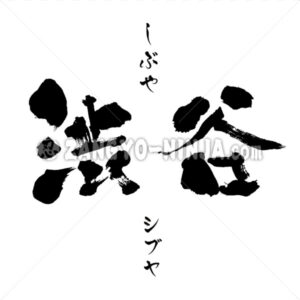
Shibuya esiste sia come toponimo che come cognome. Shibuya come toponimo (Tokyo) Un quartiere situato nella parte sud-ovest dei 23 quartieri di Tokyo. Nel 1932 (Showa 7), le tre città di Shibuya, Sendagaya e Yoyohata nel distretto di Toyotama si fusero per formare il quartiere di Shibuya. Per quanto riguarda la stazione stessa, nel marzo 2013, … Leggi tutto
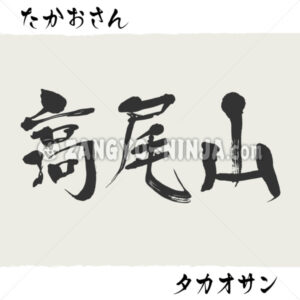
Il monte Takao, premiato con tre stelle Michelin, si trova nella città di Hachioji, a Tokyo, al margine occidentale della pianura del Kanto. Essendo situato dove la pianura lascia il posto al terreno montuoso, i treni arrivano direttamente all'inizio del sentiero, rendendolo molto accessibile. Con un'altitudine di 599 metri, è una montagna relativamente bassa... Leggi tutto
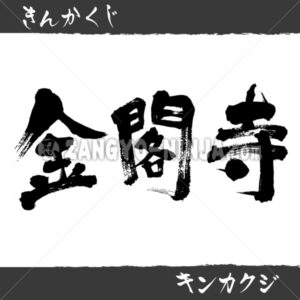
Descrizione del Kinkaku-ji Il sito Patrimonio dell'Umanità d'oro, il Tempio Kinkaku-ji. Il suo nome ufficiale è Tempio Rokuon-ji, ma è comunemente noto come Tempio Kinkaku-ji perché la sua struttura più famosa, la Sala Shari-den (Padiglione d'Oro), è ricoperta di foglie d'oro. Situato nel quartiere di Kita, nella città di Kyoto, è un tempio della setta Rinzai Shokoku-ji... Leggi tutto
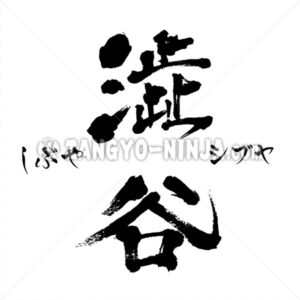
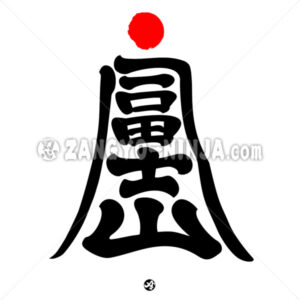
The first character in the center is the old character form of Shibuya. You hardly ever see it nowadays, but this character was used until around the early Showa period. It seems some Japanese people still use this old character form in their surnames. This character is a kanji meaning “bitter taste,” “to stagnate,” … Read More
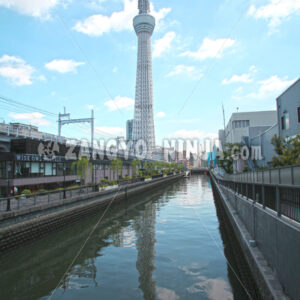
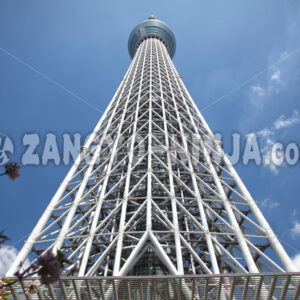
It is the world’s tallest free-standing broadcast tower. Located in Sumida Ward, Tokyo, near Asakusa, this broadcast tower stands at 634 meters (Musashi)—the tallest in the country. Before this tower was built, Tokyo Tower served this purpose; however, due to the impact of rising building heights, the Skytree was constructed to transmit radio waves … Read More
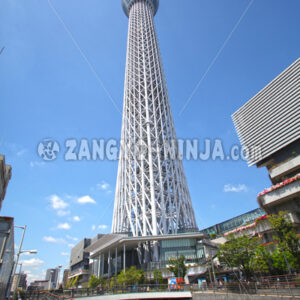
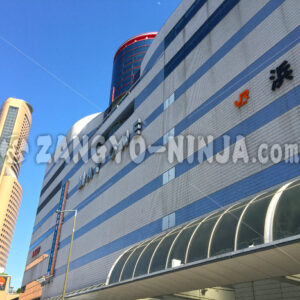
Hamamatsu is the second-largest city in Shizuoka Prefecture, after Shizuoka City. This photo shows the buildings and blue sky just outside the north exit of Hamamatsu Station, which leads to the city’s downtown area. The building visible in the background is the Okura Act City Hotel Hamamatsu. This photo was once a staple on … Read More
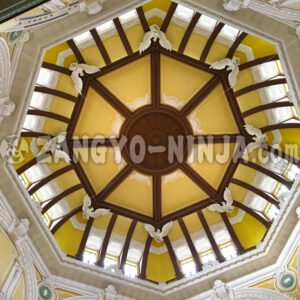
In 2012, the red-brick Marunouchi Station Building, a Nationally Designated Important Cultural Property, was restored to its original appearance. The reliefs on the ceilings inside the building were meticulously recreated by leading plasterers.
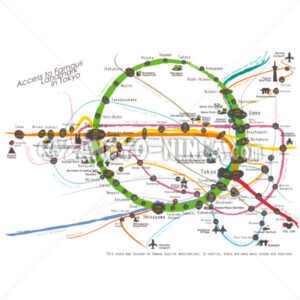
This work is a brush-style work of the lines (train and subway) to the famous landmarks of Tokyo. There are so many lines in Tokyo. The routes and transfer stations for going to the landmarks are listed. The file(vector ai file)is divided into layers by line, station name and station number for each layer. … Read More
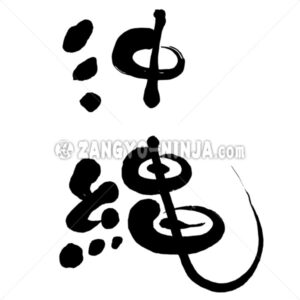

A city in western Hokkaido. The location of the Hokkaido Government offices. The city name Sapporo originates from the Ainu word “Sato-poro” (dry, wide land). The first snowfall occurs around late October, with permanent snow settling in December. Snowfall is heavy, with an annual average accumulation of approximately 600 cm observed. However, extensive snow … Read More
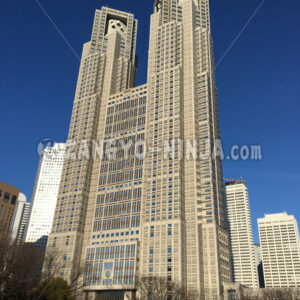
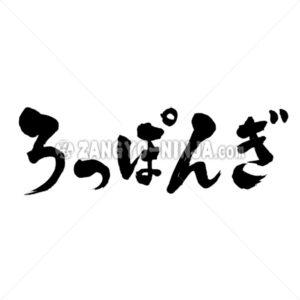
Un distretto nella parte settentrionale di Minato-ku, Tokyo. Nel periodo Edo, c'erano sei daimyo (Uesugi, Kutsuki, Takagi, Aoki, Kabane, Ichiyanagi) Nakayashiki, e si dice che i toponimi derivino dal fatto che i cognomi dei sei daimyo sono tutti legati ad alberi. Si dice anche che... Leggi tutto
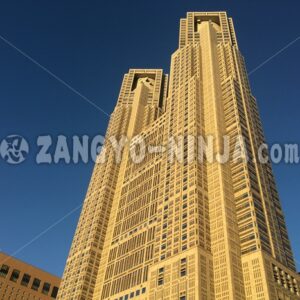
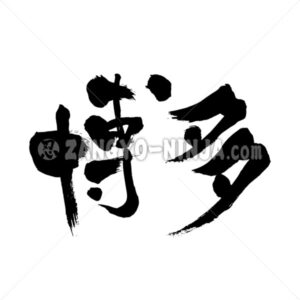
A region along the coast of Hakata Bay in Fukuoka City, northwestern Fukuoka Prefecture. In a narrow sense, it was defined as the Ishido River in the east, the Naka River in the west, Hakata Bay in the north, and the Boshu Moat in the south. There are almost no remaining Boshu moat, and … Read More
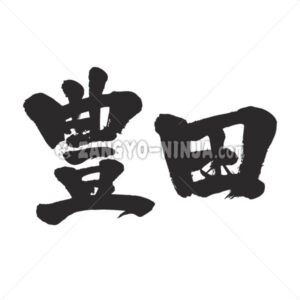
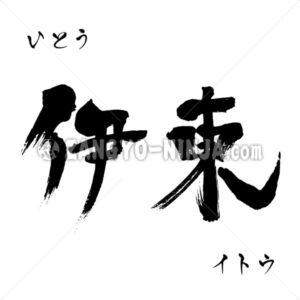
Un luogo da tempo famoso per le sue località termali. Una città termale turistica nella parte orientale della prefettura di Shizuoka, situata vicino al centro della penisola di Izu e affacciata sulla baia di Sagami. Si dice che il nome Ito derivi dalla sua posizione a est di Yu IZU ru kuni (la terra dove sgorgano le sorgenti termali). Le industrie di Ito... Leggi tutto
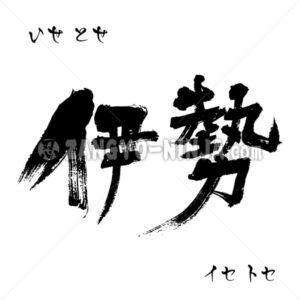
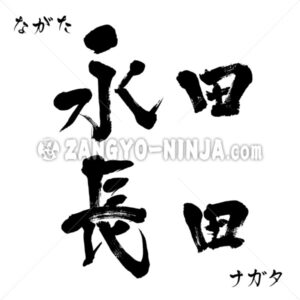
Salve, signor Nagata. Questa è una spiegazione sull'origine del cognome Nagata, condiviso dai suoi antenati e amici. Le loro origini sembrano variare a seconda dell'epoca e del luogo. Origine di questo cognome Si pensa generalmente che derivi da parole che significano "campi di riso che si estendono all'infinito" o "lunghi campi di riso", ... Leggi tutto

This is not about the date indicating a specific time and date, but rather an explanation of the Japanese word “Date.” The meaning of this word as “Date” To flaunt one’s spirit or chivalry. Also, the manner of doing so. To wear flashy clothing or behave ostentatiously to attract attention. To put on airs. … Read More