
[Stemmi di famiglia] Spilla con fiori Kikyo
|

Simbolo e grafica dei fiori in età avanzata. Fiori Kikyo Kamon. Nota: Kikyo (fiore a palloncino) è una delle sette erbe autunnali. Anticamente, un fiore di campanula veniva dedicato agli dei e ai Buddha per forgiare il bene e il male. La pronuncia di Kikkyo potrebbe essere cambiata in Kikyo. [Stemmi di famiglia] Spilla con fiori Kikyo … Leggi tutto
[Stemmi di famiglia] Bottone rotondo a forma di foglia Kaji deformata
|

Kaji leaf for Kamon. This family crest depicts a kaji leaf with a deformed petiole. Kaji trees are considered sacred because their leaves are used as vessels for offerings before the gods, and they eventually came to be used as divine crests. It can be found by clicking the button below. The white family … Read More

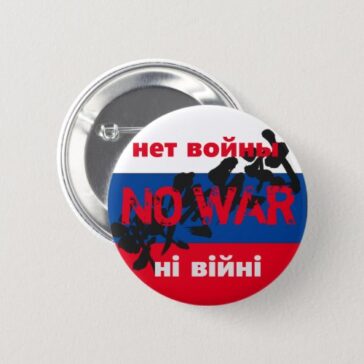
NESSUNA GUERRA, non sei, non sei, 戦争反対 Pulsante
|

"NO WAR" in kanji inglese, russo, ucraino e giapponese sulla bandiera russa. Protesta la Russia contro l'invasione unilaterale dell'Ucraina. NESSUNA GUERRA, non sei, non sei, 戦争反対 Pulsante

[Stemmi di famiglia] Spille rotonde con fiori di prugno
|

Un fiore di pruno per Kamon. Simbolo e grafica dei fiori in età avanzata. Il disegno dello stemma più ortodosso, raffigurante un fiore di pruno con cinque petali. Lo stemma sacro del Santuario Dazaifu Tenmangu nella città di Dazaifu, prefettura di Fukuoka. Può essere trovato cliccando sul pulsante qui sotto. Lo stemma bianco della famiglia è nascosto. Clicca su "Modifica... Leggi tutto

[Family Crests] Citrus Tachibana Flower Round Button
|

Flowers symbol and graphics at old age. This family crest depicts the fruit, leaves, and flowers of the tachibana, an evergreen shrub of the citrus family, rendered as an emblem. It can be found by clicking the button below. The white family crest is hidden. Click the “Edit this design” button to display the … Read More

[Stemmi di famiglia] 3 malvarose all'interno di bottoni a spilla circolari
|

3 malvarose all'interno di bottoni a spilla circolari. È lo stemma di famiglia più famoso di Mitsuha Aoi in Giappone ed è stato utilizzato dalla famiglia dello Shogun Tokugawa per generazioni durante il periodo Edo. È il disegno invertito in bianco e nero.

[Kanji] Kyoto Button
|

Kyoto is a city in the central part of the island of Honshū, Japan. [Kanji] Kyoto Button

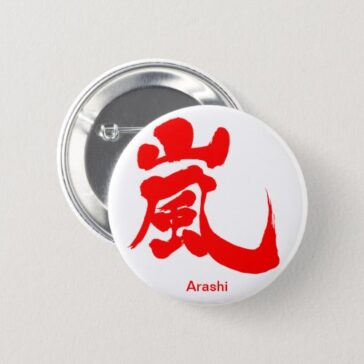
[Kanji] Arashi Button (red letter)
|

a storm , a windstorm Japanese says “Arasshi”. [Kanji] Arashi Button (red letter)

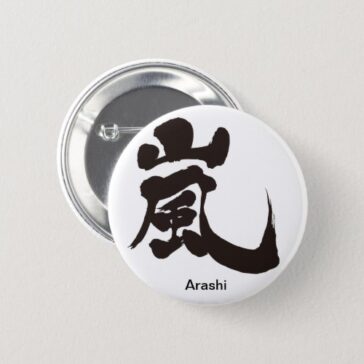
[Kanji] Arashi Pinback Button
|

[Kanji] Arashi Pinback Button a storm , a windstorm Japanese says “Arashi”.

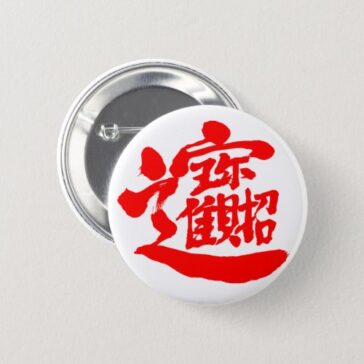
[Kanji] Treasures Pinback Button
|

One of the few in the world, especially valuable. property. Especially important things that cannot be replaced with other things. Also, an irreplaceable person. Japanese says “Takara”. It’s old and difficult letter in Chinese. [Kanji] Treasures Pinback Button

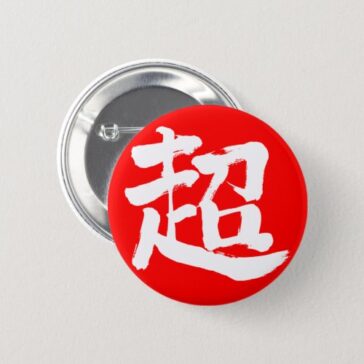
[Kanji] extreme Button
|

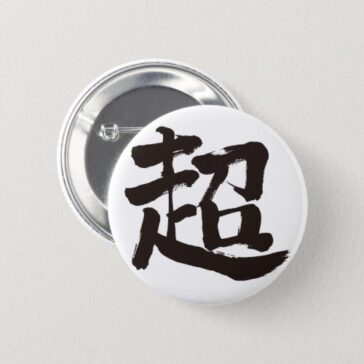
[Kanji] extreme Pinback Button It is preceded by a noun to indicate that it is more than that and that it deviates further. Japanese says “Cyo”.

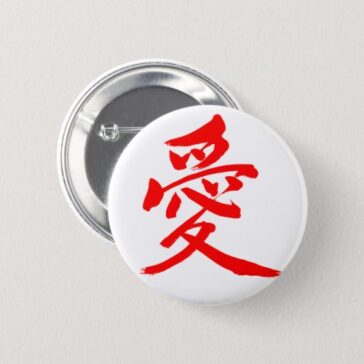
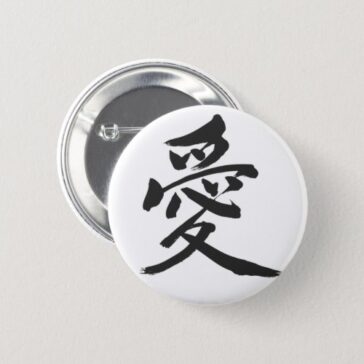
[Kanji] Love Pinback Button
|

[Kanji] Love Pinback Button Japanese says “Ai”. Love in Japanese Kanji.

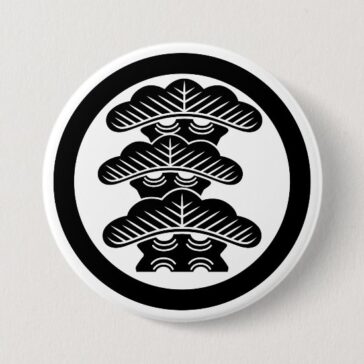
[Stemmi di famiglia] Pini a 3 livelli allineati a sinistra con pulsante circolare
|

Questo stemma di famiglia (Kamon) raffigura tre livelli di rami di pino impilati verticalmente all'interno di un cerchio, con il livello centrale spostato a sinistra. Simbolo e grafica di piante naturali in età avanzata per una famiglia giapponese. Nota: il pino è stato un albero in cui dimorano gli dei fin dai tempi antichi, ed è l'etimologia di "adorazione"... Leggi tutto

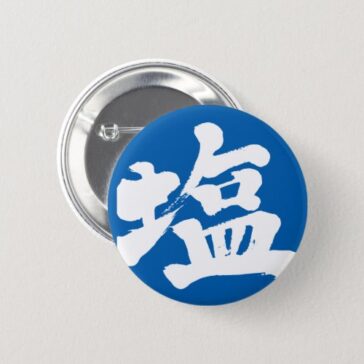
[Kanji] salt Button
|

[Kanji] salt Button white crystalline form of especially sodium chloride used to season and preserve food. In Japan, sending salt means “dare to help an enemy in a difficult situation” and “seek long-term profits and reasons rather than immediate gains and losses.” Japanese says shio.

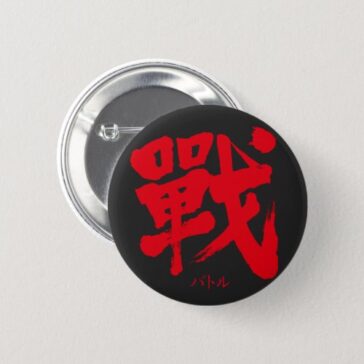
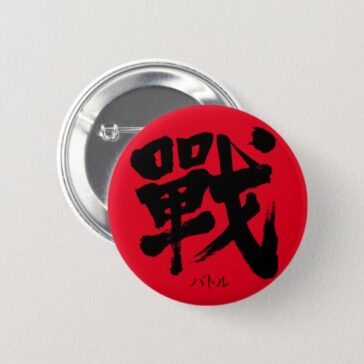
[Kanji] Battle as classic letter Button
|

It is a Kanji that old Japanese were using. With transliteration in Katakana that you can custom letter. Japanese says Ikusa. It’s same means “戦”. Fight the enemy with a weapon. Compete for victory or defeat. Fight for speech. Competition. Game. [Kanji] Battle as classic letter Button

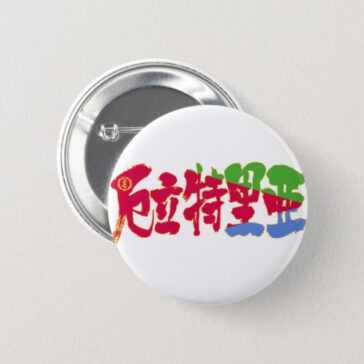
[Kanji] Pulsante Eritrea
|

[Kanji] Eritrea Button an African country to the north of Ethiopia on the Red Sea. state of eritrea.

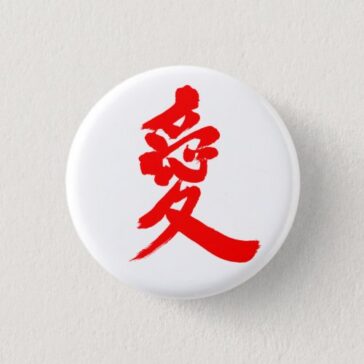
[Kanji] Love Button
|

[Kanji] Love Button Love in Japanese Kanji. Japanese says “Ai”.

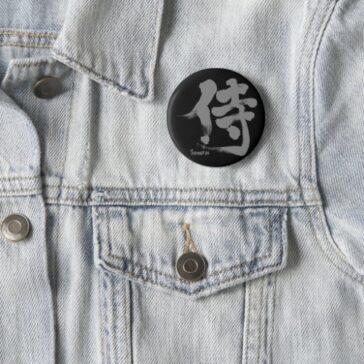
[Kanji] Samurai Button
|

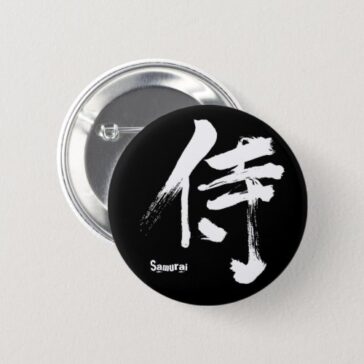
[Kanji] Samurai Button A Japanese warrior. Now there are no samurais in japan. But Japanese has chivalrous spirit like a Samurai.

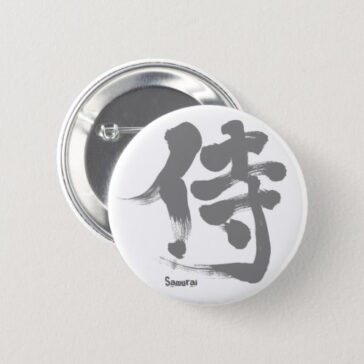
[Kanji] Spilla con lettere grigie Samurai
|

[Kanji] Samurai gray letter Pinback Button A Japanese warrior. Now there are no samurais in japan. But Japanese has chivalrous spirit like a Samurai.

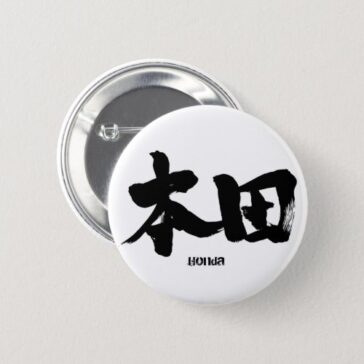
[Kanji] Honda Button
|

1. A Japanese famous football player. 2. A Japanese car manufactuing company. [Kanji] Honda Button

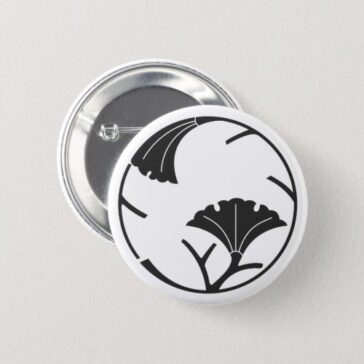
[Stemmi di famiglia] Ginkgo e rami sono stati disegnati come un cerchio Spilla rotonda Bottone
|

[Stemmi di famiglia] Ginkgo e rami sono stati disegnati come un cerchio Spilla rotonda Bottone Ginkgo e rami sono stati disegnati come un cerchio Kamon. Simbolo e grafica delle piante della natura in età avanzata per la famiglia giapponese.

[Kanji] Iron as old letter Button
|

Japan calls Tetsu. It is a Kanji character called iron that was used long ago. There are many Japanese who can read it now. Railways and trains are sometimes abbreviated, and JNR (Nippon Railway) used this kanji for a period of time. [Kanji] Iron as old letter Button

[Kanji] Battle as classic letter Pinback Button
|

[Kanji] Battle as classic letter Pinback Button It is a Kanji that old Japanese were using. With transliteration in Katakana that you can custom letter. Japanese says Ikusa. It’s same means “戦”. Fight the enemy with a weapon. Compete for victory or defeat. Fight for speech. Competition. Game.

[Kanji] Love Buttons
|

[Kanji] Love Button Japanese says “Ai”. Hand-writing love in Japanese Kanji.

(Kanji) Samurai Pinback Button
|

a warrior of military retainers of daimyos in the Edo period. [Kanji] Samurai Button

[Kanji] Pulsante Morimoto
|

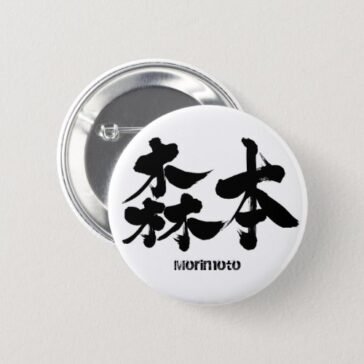
[Kanji] Morimoto Button Un famoso calciatore giapponese.

[Kanji] congratulations Button
|

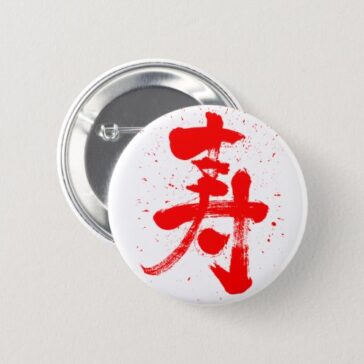
congratulations button representing longevity Kanji. Japan calls Kotobuki or Ju.

[Kanji] extreme Pin-back Button
|

[Kanji] extreme Pinback Button Japanese says “Cho”. It is preceded by a noun to indicate that it is more than that and that it deviates further.

[Family Crests] Ginkgo and branches were designed like a circle Pinback Button
|

Ginkgo and branches were designed like a circle Kamon. Nature plants symbol and graphics at old age for Japanese family. It’s negative positive inversion. [Family Crests] Ginkgo and branches were designed like a circle Pinback Button

[Stemmi di famiglia] Mokko a quattro lati all'interno del fiore Karahana Spilla Bottone
|

[Stemmi di famiglia] Spilla con fiore di Karahana all'interno di un motivo Mokko a quattro lati Fiore di Karahana all'interno di un Mokko a quattro lati per Kamon. Simbolo e grafica di piante naturali in età avanzata per una famiglia giapponese. Nota: il fiore di Karahana è un motivo che proviene dalla Cina e non si riferisce a un fiore specifico, ma a un "motivo vegetale in stile fiore di Karahana". Mokko è... Leggi tutto

1 2 3 4 5