Bottoni quadrati bianchi con illustrazione di samurai
|
Samurai Button man in attendance on a person of high standing.


Samurai Button man in attendance on a person of high standing.
[Kanji] Samurai Spirit Button Jidaigeki with swordsmanship where the main themes are Bushido and loyalty.
A warrior of military retainers of daimyos in the Edo period. [Katakana] Samurai Button
[Kanji] Samurai Button warrior of military retainers of daimyos in the Edo period.
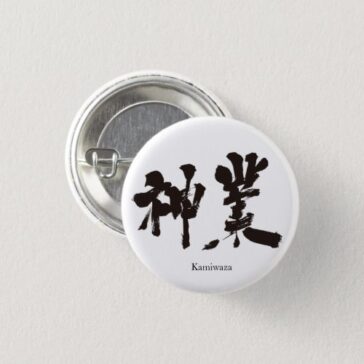
Japanese says Kami-Waza, Kamu-waza. God’s work. Also, such superhuman techniques and acts. Events about God. [Kanji] divine work Button
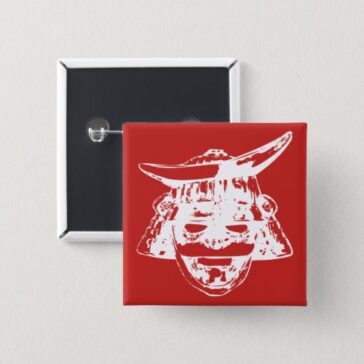
Samurai Button A warrior of military retainers of daimyos in the Edo period.
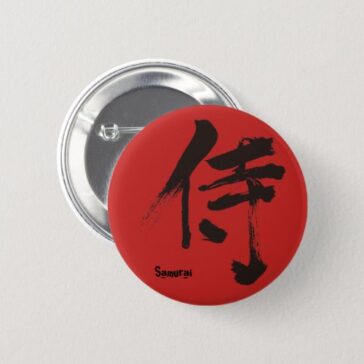
[Kanji] Samurai Button warrior of military retainers of daimyos in the Edo period.
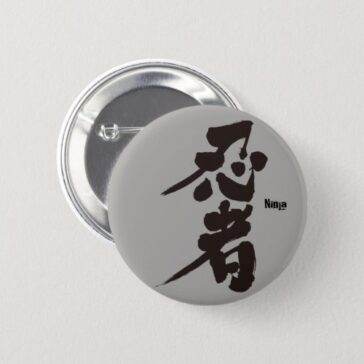
[Kanji] Ninja as black characters Button Those who used ninjutsu to infiltrate enemy territory and engaged in intelligence (spy) activities such as spying and disturbance. In particular, the Iga and Koka ninja organizations that were active mainly during the Warring States period are famous. However, the existence of a ninja is not well known … Read More
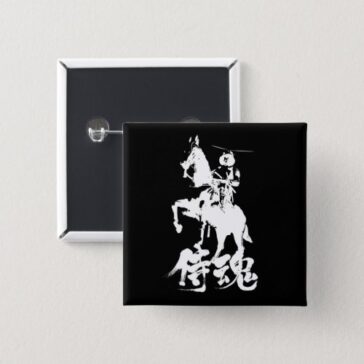
[Kanji] Samurai Spirit white character Buttons Jidaigeki with swordsmanship where the main themes are Bushido and loyalty.
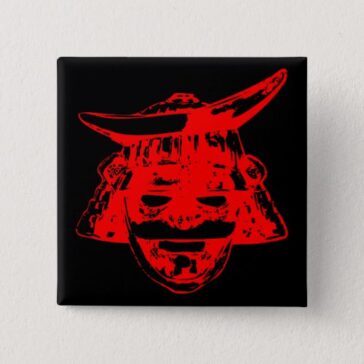
man in attendance on a person of high standing. Samurai Button
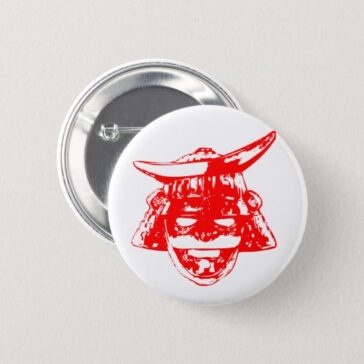
man in attendance on a person of high standing. Samurai Button
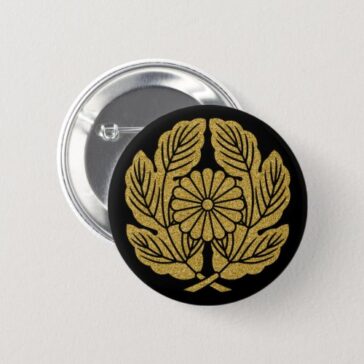
[Stemmi di famiglia] Bottone con crisantemi di Saigo Takamori. Si tratta di foglie di crisantemo abbracciate su un fiore di crisantemo per Kamon. Gli stemmi di famiglia (Kamon) significano simboli e grafiche in età avanzata in Giappone. È uno stemma di famiglia che si dice sia stato usato da Saigo Takamori. Nota: Crisantemo: nell'antica Cina, i crisantemi sono usati a scopo ornamentale e... Leggi tutto
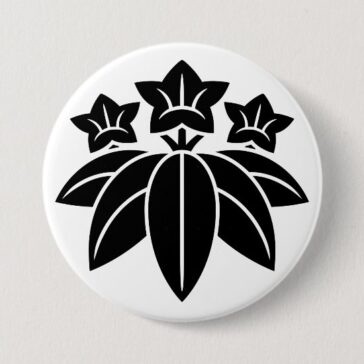
Questo stemma di famiglia raffigura cinque foglie simili a bambù distese verso il basso, con tre fiori di genziana disegnati sopra di esse. È possibile visualizzarlo cliccando sul pulsante sottostante. Lo stemma bianco è nascosto. Clicca sul pulsante "Modifica questo disegno" per visualizzare lo stemma bianco, nascondere quello nero e cambiare il colore di sfondo. Fiori di genziana e… Leggi tutto
![[Family Crests] 16 petals Chrysanthemum Flower Buttons](https://www.zangyo-ninja.com/wp-content/uploads/family_crests_flowers_pinback_button-Chrysanthemum-Flower_k945w_500-364x364.jpg)
It’s Sixteen petals Chrysanthemum Flower for Kamon. Family Crests (Kamon) means symbol and graphics at old age in Japan. note: Chrysanthemum: In ancient China, chrysanthemums are used for ornamental purposes and as a medicine for longevity, and are considered to be the most energetic flowers of the hundred flowers. This idea was introduced to … Read More
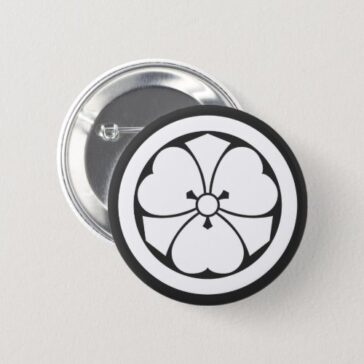
[Stemmi di famiglia] un cerchio all'interno di Oxalis corniculata con spade Bottone rotondo un cerchio all'interno di Oxalis corniculata con spade per Kamon. Simbolo e grafica di piante della natura in età avanzata per la famiglia giapponese. È un'inversione negativa positiva.
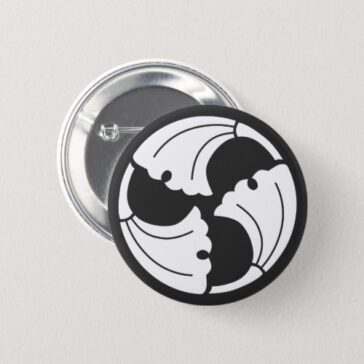
[Family Crests] Divided into 3 Ginkgo leaves Round Button Divided into three Ginkgo leaves for Kamon. Nature plants symbol and graphics at old age for Japanese family. It’s negative positive inversion.
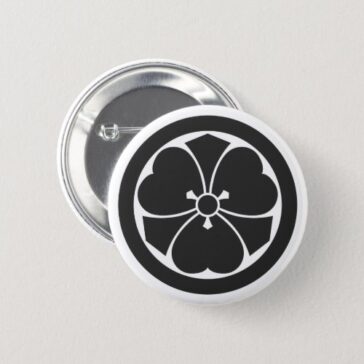
a circle inside Oxalis corniculata with swords for Kamon. Nature plants symbol and graphics at old age for Japanese family. [Family Crests] a circle inside Oxalis corniculata with swords Pinback Button
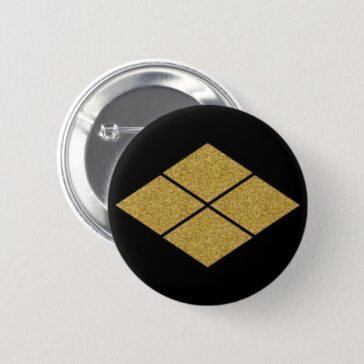
It’s famous family crest of Takeda Shingen. Shingen Takeda was a daimyo during the Warring States period. The “Furinkazan”, which is said to have been written on the flag sashimono (military flag), is also famous. note. Hishimon (rhombus shape) is said to be a stylized version of the trapa japonica fruit or trapa japonica … Read More
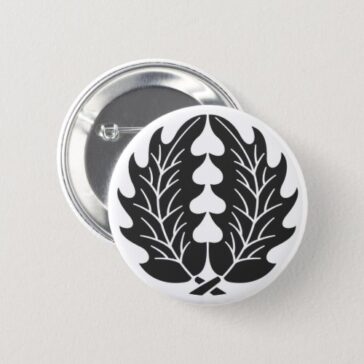
Two symmetrical holly leaves for Kamon. Nature plants symbol and graphics at old age for Japanese family. note. Holly leaves: It was used as an amulet in the Heian period because of its thorns on its leaves. There was a house that was used for the family crest in an attempt to make it … Read More
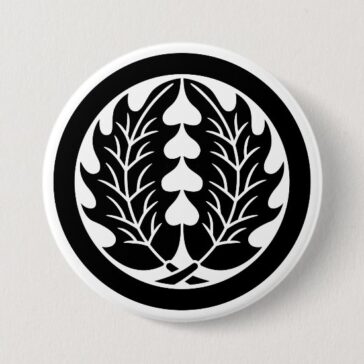
A family crest featuring two symmetrical holly leaves surrounded by a circle. Holly leaves are considered sacred trees that ward off demons, as seen in Setsubun rituals. They came to be used as family crests for their spiritual significance in ensuring household safety by repelling evil spirits and warding off misfortune. It can be … Read More
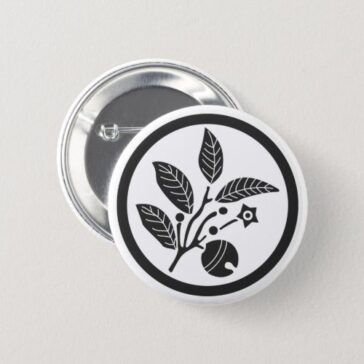
A circle inside Cleyera japonica and a bell for Kamon. Nature plants symbol and graphics at old age for Japanese family. note. Cleyera japonica and a bell : Once upon a time, when Amaterasu Omikami hid in Amano-Iwato, Ame-no-Uzume danced in front of Iwato, holding Sakaki and the bell of Mt. Sakaki and bells … Read More
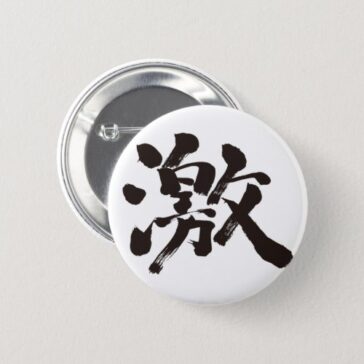
japanese said “Geki”. It is mean very or much include strength. [Kanji] extremely (very, much) Button
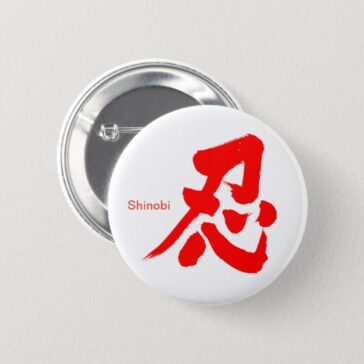
[Kanji] Shinobi Button a professional spy (in feudal Japan) highly trained in stealth and secrecy.
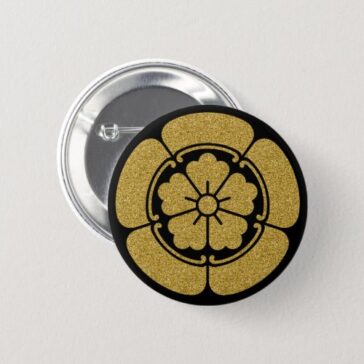
Questo è il famoso stemma di famiglia di Oda Nobunaga. Un Mokko a cinque lati all'interno di un fiore di Karahana per Kamon. Simboli e grafiche di piante della natura per la vecchiaia delle famiglie giapponesi. Nota: il Mokko è disegnato come un nido d'uccello. Il nido d'uccello è pensato per la prosperità dei discendenti ed è considerato uno stemma di buon auspicio. … Leggi tutto
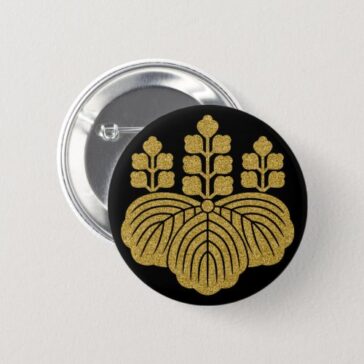
È lo stemma di famiglia che più facilmente si può vedere in Giappone. Lo stemma con il fiore di paulownia era considerato uno stemma secondario della famiglia imperiale. Inoltre, questo stemma veniva talvolta conferito a un vassallo che si era distinto nella famiglia imperiale. Tra questi figurano Takauji Ashikaga, Nobunaga Oda, … Leggi tutto
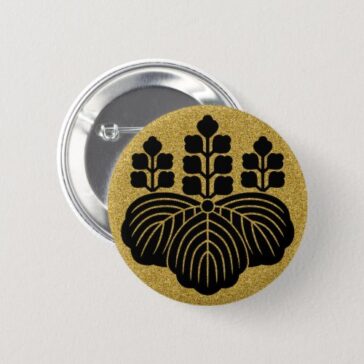
[Family Crests] Paulownia Flowers and leaf button It is the family crest that you have the most chance to see in Japan. The paulownia flower crest was regarded as a sub-crest of the emperor’s family. In addition, this paulownia flower crest was sometimes given to a vassal who had a merit in the Emperor’s … Read More
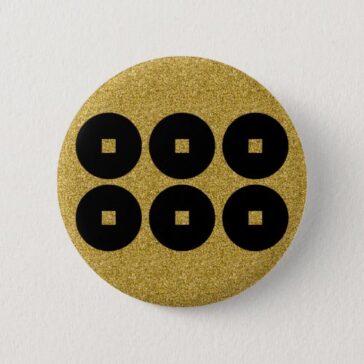
This is also a famous family crest. There are various theories, but at that time, it was said that the “Sanzu River” was flowing between the world and the world, and that the ferry to cross the river required “Rokumonsen (current monetary value of about 300 yen)”. I am. The family crest also shows … Read More
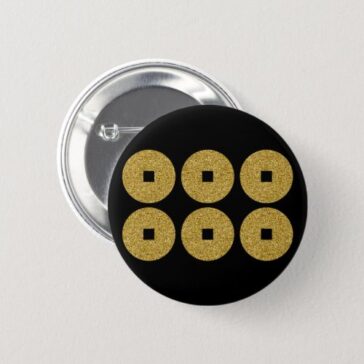
[Family Crests] Sanada’s 6 coins Pinback button This is also a famous family crest. There are various theories, but at that time, it was said that the “Sanzu River” was flowing between the world and the world, and that the ferry to cross the river required “Rokumonsen (current monetary value of about 300 yen)”. … Read More
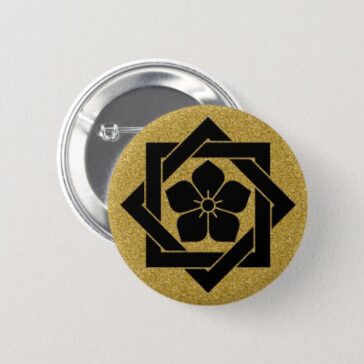
Cross lines inside Kikyo (ballon flower, bellflower) Kamon. It was used Ryoma Sakamoto who succeeded in the Taisei Hokan at the end of the Edo period. note. Kikyo (ballon flower, bellflower) is Seven herbs of autumn. In the olden days, one flower of bellflower was dedicated to the gods and Buddhas to forge the … Read More
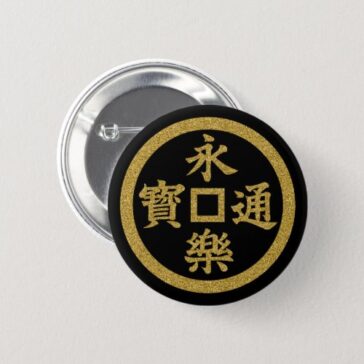
[Family Crests] Eiraku coin Round Button Nobunaga Oda used the Eiraku coin (Eiraku Tsuho) design that was in circulation as a family crest as a symbol of economic power. He used it as a flag.