

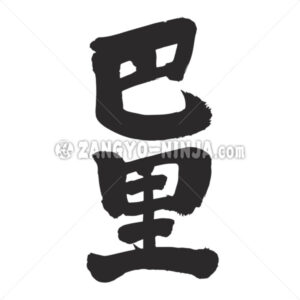

This is not about the date indicating a specific time and date, but rather an explanation of the Japanese word “Date.” The meaning of this word as “Date” To flaunt one’s spirit or chivalry. Also, the manner of doing so. To wear flashy clothing or behave ostentatiously to attract attention. To put on airs. … Read More

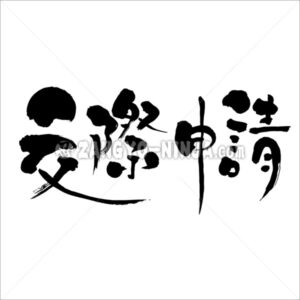
This is a clever way to write when you apply for dating with someone you like, or when you want to have a relationship on the premise of marriage. It’s up to you whether writing this will make it a reality. Japanese said “Ko sai shin sei”.
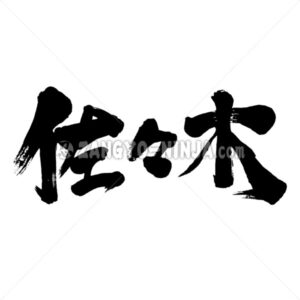
L'etimologia è "piccolo saki" (piccolo terreno sporgente) come toponimo. Sasaki è il tredicesimo cognome giapponese più comune. Salve, signor Sasaki. Questa è una spiegazione dell'origine del cognome Sasaki, condiviso dai suoi antenati e amici. Ha origine dalla zona vicino al Santuario Sasaki (precedentemente Sasaki) a Jorakuji, Azuchi-cho, Omihachiman... Leggi tutto

Niseko is a town located in Abuta District, Hokkaido. The name “Niseko” comes from the Ainu language and means “steep cliff.” It is the collective name for Kutchan Town, Niseko Town, and Rankoshi Town, an area surrounded by numerous mountains, including Mount Yotei (also called Ezo Fuji), and the clear-flowing Shiribetsu River. The Shiribetsu … Read More
Un animale dell'ordine Artiodactyla dell'ordine Honyu. Un cervo di medie o grandi dimensioni. Normalmente, solo i maschi hanno le corna nei cervi, ma una delle caratteristiche principali di questa specie è che anche le femmine ne sono provviste. Gli habitat includono l'Eurasia e la parte settentrionale del Nord America, di cui quelli nordamericani sono comunemente chiamati... Leggi tutto
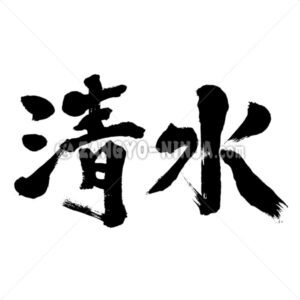
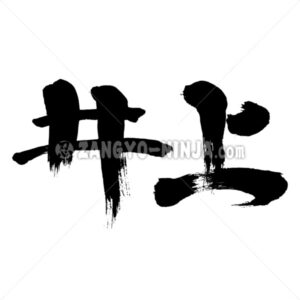
Buongiorno signor Shimizu. Questa è una spiegazione sull'origine del cognome Shimizu, condiviso dai suoi antenati e amici. Shimizu è il ventesimo cognome giapponese più diffuso. Shimizu significa "il luogo dove sgorga Shimizu". Inoue è una sorgente d'acqua artificiale, mentre Shimizu è una sorgente d'acqua naturale. Pertanto, si pensa che... Leggi tutto
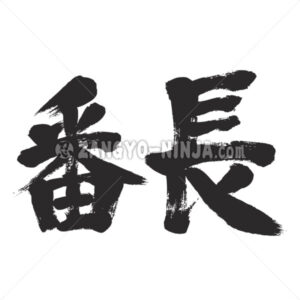
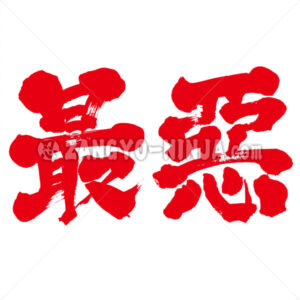
Description for worst and too bad “Worst” refers to the most unfavorable state or condition. It is a word that describes the lowest degree of something, representing the most unpleasant or unfortunate situation.
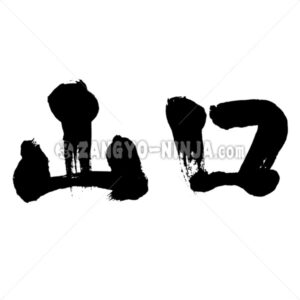
Yamaguchi ha diversi significati. Significato di Yamaguchi come sostantivo: L'ingresso di una montagna. La porta di una montagna. Nella falconeria, l'atto di entrare per la prima volta nel terreno di caccia per iniziare la caccia. Anche, quel luogo. L'ingresso al terreno di caccia. Il primo segno o indicazione di qualcosa. Un taglialegna che inizia a... Leggi tutto
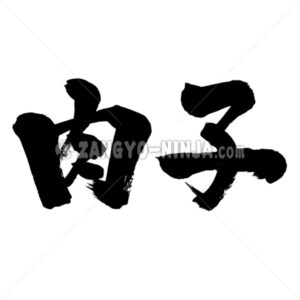
It’s coined word. It’s girl who likes eat the meat, Yakiniku, beef, pork and chicken. Or it is slang, It’s person who fat woman and thick woman. Japanese said Niku-ko.
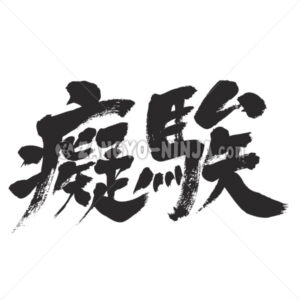
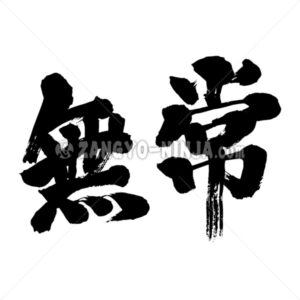
Buddhist language. Everything has changed, and it is not a permanent residence. Everything in this world changes quickly and does not stay in the same state for a while. Especially the ephemeral nature of life. Don’t know when you will die. Japanese says “Mu Jou”.
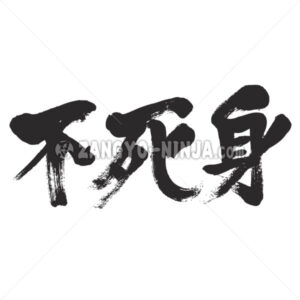
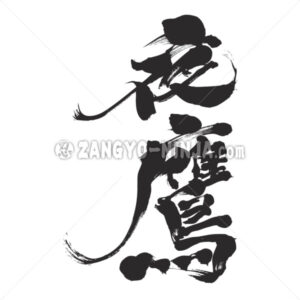
1. Presenta un fine disegno marrone-marrone su tutta la superficie, il becco è piccolo, ma la bocca è grande quando è aperta e ha lunghe setole intorno. Di notte, caccia insetti in volo, squittisce con una bocca veloce e si ferma parallelamente ai rami. Diffuso nell'Asia meridionale. 2. Una parola usata principalmente in... Leggi tutto
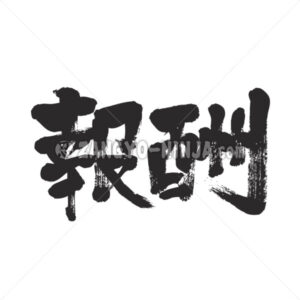
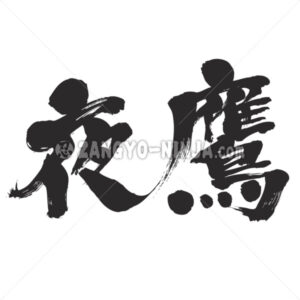
1. Un uccello di medie dimensioni della famiglia degli Yotaka che cattura e mangia insetti di sera. 2. Una persona che cammina di notte. In particolare, nel periodo Edo, le prostitute di basso livello che attiravano clienti per strada di notte. In Giappone vengono chiamate "Yo taka".
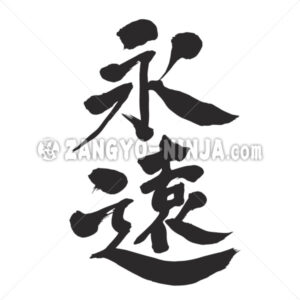
1. To endless forever. It exists beyond time. 2. A philosophy that is thought to last indefinitely while in time itself. Also, like mathematical truth, something that is known in time is considered to be valid regardless of time. Japan call “Ei en” and “To wa”.
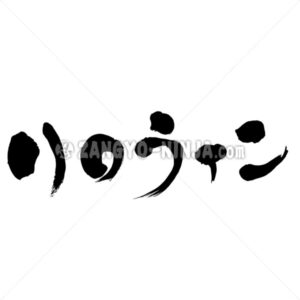
Una festa originaria dell'Europa, che si celebra ogni anno il 31 ottobre. Originariamente un evento religioso che celebra il raccolto autunnale e scaccia gli spiriti maligni, si svolge la notte prima di Ognissanti, il giorno dei Santi Cattolici, il 1° novembre. Abbreviata in "All-hallow-even" e chiamata Halloween. Negli ultimi anni c'è Halloween... Leggi tutto
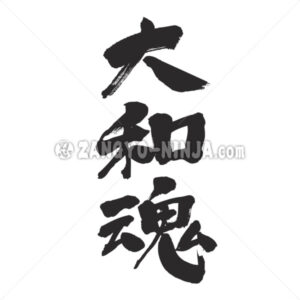
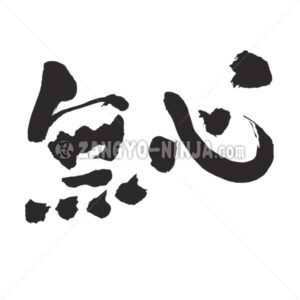
1. Be innocent. 2. There is no work of will and feelings. 3. Buddhist term 4. Waka / Renka with the aim of humor and obscene expression. 5. Lack of thought. Don’t be clever. 6. There is no heart to understand the emotion. 7. Don’t be considerate. Japan call “Mu shin”.