

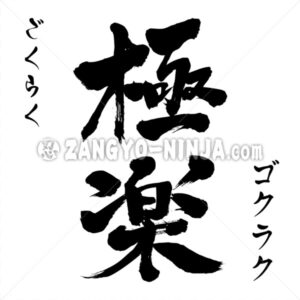
Cos'è Gokuraku? Espressione idiomatica di quattro caratteri, termine buddista abbreviato da "Gokuraku jo do" (Terra della Beatitudine Perfetta). La Terra Pura del Buddha Amitabha. In sanscrito, Sukhavati. Si dice che si trovi oltre questo mondo a ovest, oltre dieci miliardi di terre di Buddha, è un regno di beatitudine dove ogni sofferenza è assente e tutte le cose sono... Leggi tutto

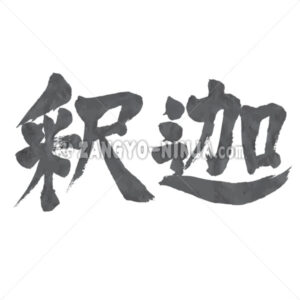
Description for Sakyamuni Founder of Buddhism. Although there are various theories about the dates of his birth and death, it is difficult to determine, but the most popular theories are 565-486 BC and 465-386 BC. A transcription of the Sanskrit shakya. Shakyamuni was originally the name of a tribe in northern India, but is … Read More
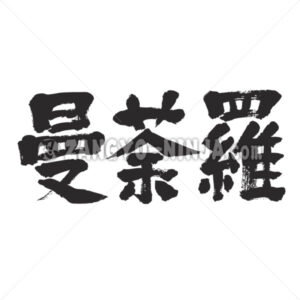
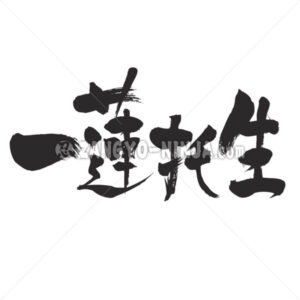
In Buddhism, after death, he was born on the same lotus flower in Sukhavati Jodo. In turn, to act and fate together until the end, regardless of the good or bad of things and the good or bad of the result. In Japanese literature, it was used to fulfill love in the afterlife, especially … Read More
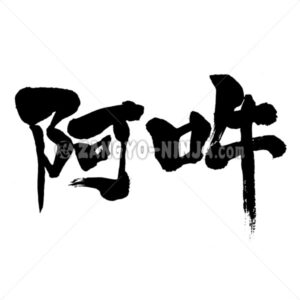

This etymology came from India in Buddhism. What used to be called “naraka” in Sanskrit was transcribed and transmitted to China to become “naraku”. In China, Naraka meant an underground prison, so it was omitted and became hell. It is said that the words “hell” and “naraku” were introduced to Japan. Japanese said “Ji … Read More
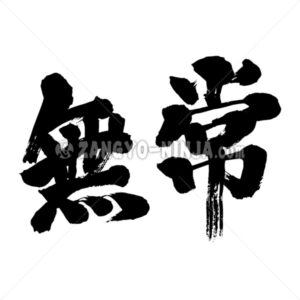

A Buddhist term referring to a mild face and a gentle and thoughtful conversation. The first two characters “和顔 Wagen” are gentle faces. The last two letters “愛語 Aigo” are words with a feeling of love. Japan call “Wa gen ai go” and “Wa gan ai go”.
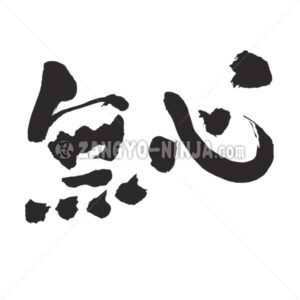
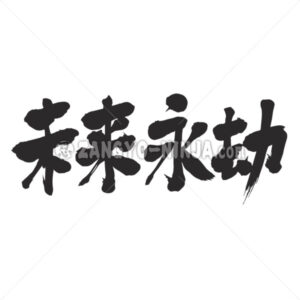
Very long years across the future. It also uses adverbs to express the meaning of eternity. Japan call “Mi rai ei go” and “Mi rai yo go”.
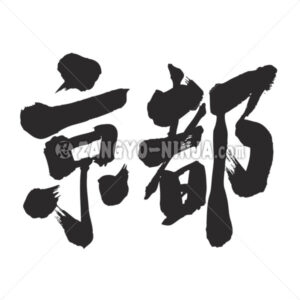
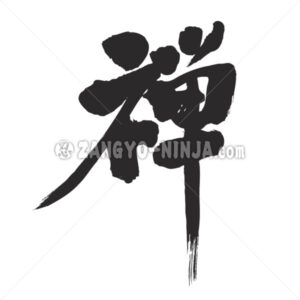
Importato dalla Cina intorno al VII secolo, lo Zen originariamente si riferiva agli insegnamenti e alle pratiche della setta Zen, una branca del Buddhismo sviluppatasi in Giappone, ma oggi conosciuta come una filosofia legata alla meditazione e alla consapevolezza. Storia dello Zen Zen è un termine che si riferisce agli insegnamenti e alla filosofia di… Leggi tutto
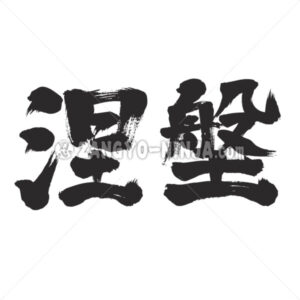
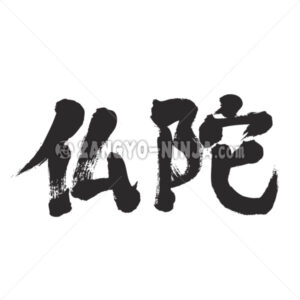
It represents someone who has attained enlightenment. The term “Buddha” is not a proper noun, but rather means “enlightened one” or “one who has attained enlightenment.” Most people think that Shakyamuni Buddha is the Buddha, but this is not the case. In Japan, before the Meiji period, the term “Buddha” was not used, and … Read More
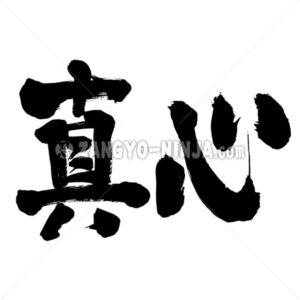
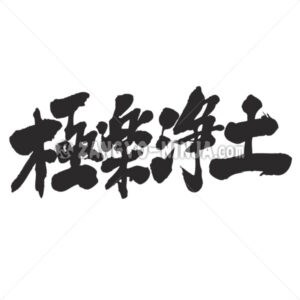
Gokuraku Terra Pura. La Terra Pura del Buddha Amida. In un mondo completamente libero dal dolore di essere oltre un miliardo di terre in Occidente, si crede che coloro che ricordano Amida saranno accolti dopo la morte. In giapponese si dice "Goku Raku Jo Do".

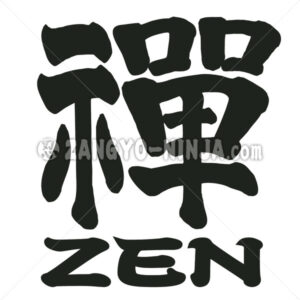
Descrizione per Zen, una dottrina buddista secondo cui l'illuminazione può essere raggiunta attraverso la diretta intuizione. Scuola del buddismo Mahayana che afferma che l'illuminazione può arrivare attraverso la meditazione e l'intuizione piuttosto che la fede. Nome abbreviato di sedersi '座禅'. Questo è un antico stile di carattere giapponese. "禅". Confrontalo con quest'opera. Scomponendo questo carattere, il... Leggi tutto