

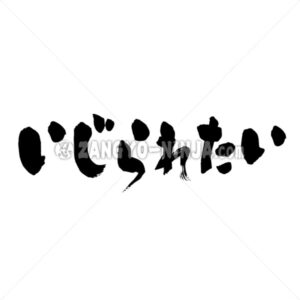
Essere vittime di bullismo o prese in giro con una mezza battuta. A differenza del bullismo, trattare l'altra persona con amore. Attenzione, perché può diventare bullismo se si esagera. In giapponese si dice "I ji ra re ta i".
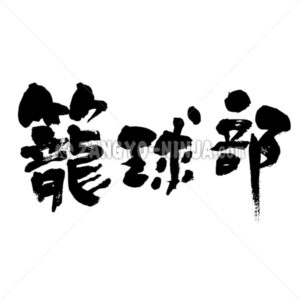
Club activities to play basketball. It mainly refers to friends who play the same basketball at schools, clubs, and communities. Even in athletics, where there are many individual sports, if it is a group, it is called with a “Bu”. Japanese calls “Ro kyu Bu”.
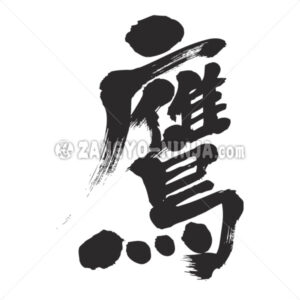
Termine generico per le specie di piccole e medie dimensioni degli ordini Accipitriformes e Falconiformes. Gli esemplari più grandi si distinguono come aquile, ma non ci sono confini netti. Si tratta generalmente di un rapace diurno con becco e unghie affilate. L'alimentazione di base varia leggermente a seconda della specie o delle dimensioni del corpo, ma... Leggi tutto
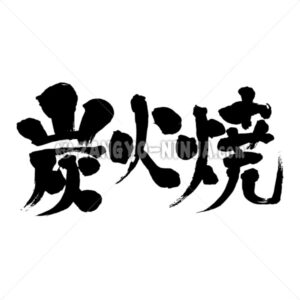
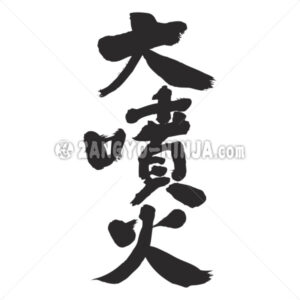
1. It is a phenomenon in which magma and rocks inside the earth are ejected from a volcano to the ground relatively rapidly. It is one of the volcanic activities, and it is a large scale of comparative cough due to the nature of magma. 2. Expression of anger. The anger is stronger than … Read More
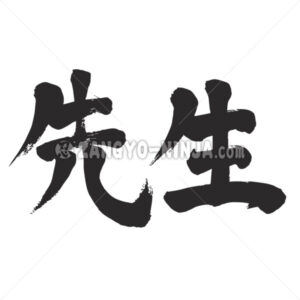
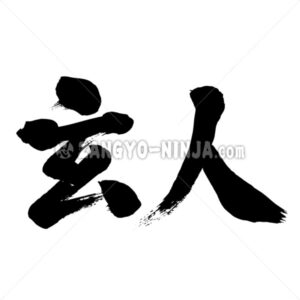
Description for professional A person who is proficient in arts and crafts. A person who specializes in one thing. Women in the restaurant, bar, or nightclub business, such as geisha and hostess. Its said “Kurou to” and “Kuro to”, in Japanese.

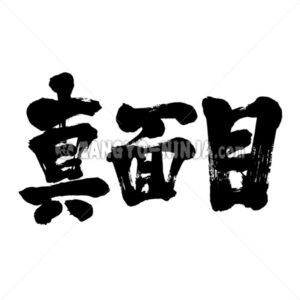
concerned with work or important matters rather than play or trivialities. Have a serious look. Be serious. It should be full of heart and no decoration. Japanese calls “Ma ji me”.
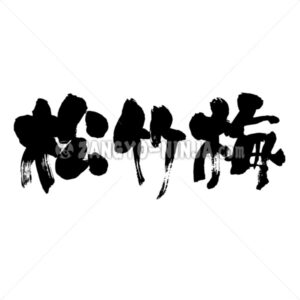
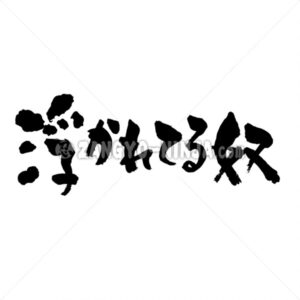
Una persona allegra. Una persona felice ed eccitata. Una persona affascinata dal divertimento. In giapponese si dice "U ka re te i ru yatsu".
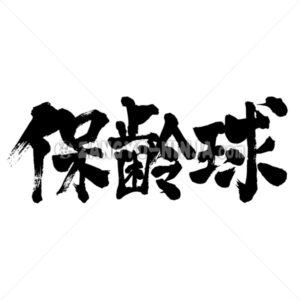
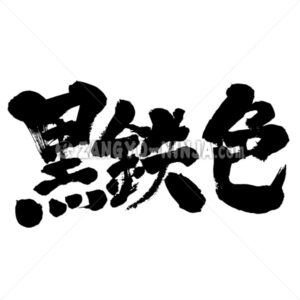
Un colore con una superficie metallica lucida che si distingue nettamente dalla normale superficie. Viene spesso utilizzato negli elettrodomestici e nel design degli imballaggi. Ciò che si può notare nella verniciatura delle auto è la tonalità e la texture del colore, che viene definita "materiale brillante" e si ottiene principalmente miscelando polvere di alluminio. … Leggi tutto
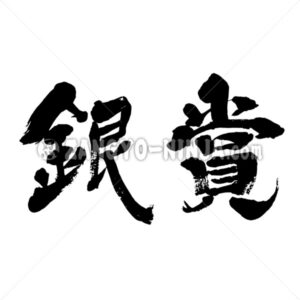
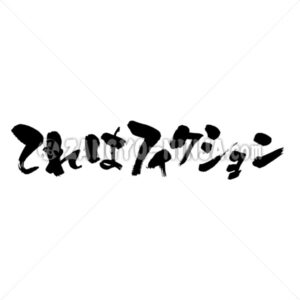
Description for This is a fiction A standard phrase in Japan meaning “Please don’t take this story seriously.” A kind of defensive line added when creative works are commercialized or publicly released. Historically, most creative works have frequently employed techniques like “dramatizing reality.” The problem is that even when creators blatantly aim for certain … Read More
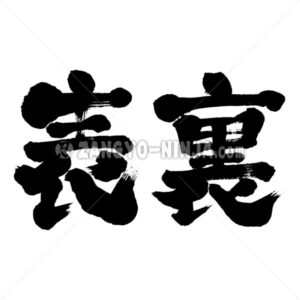
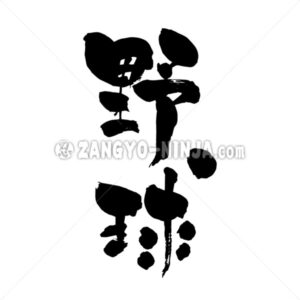
A competition in which two teams of nine people alternately attack and defend using equipment such as balls, bats, and gloves, and compete for the total score in the normal nine innings (one point when turning four bases). It has spread to the United States, Japan and other East Asian countries, Cuba and other … Read More
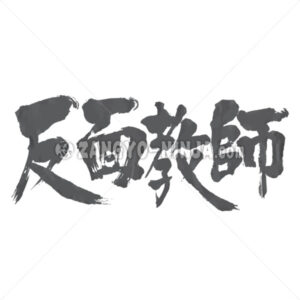
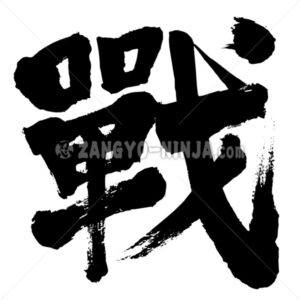
1. Fight with a weapon. 2. competition. It’s about to win or lose. It is a Kanji that old Japanese were using. With transliteration in Katakana that you can custom letter. Japanese says Ikusa.
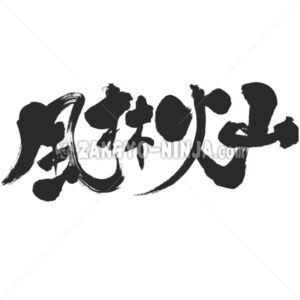
It is a popular name that is said to have been written on the flag sashimono (military flag) of Sengoku daimyo Takeda Shingen. “Furinkazan” is a word used to indicate the movement in the event of a war. When it should move as quickly like the wind, and when it should wait like a … Read More
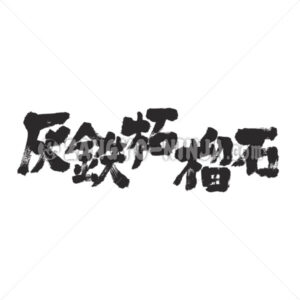
End-member of garnet solid solution. It is one of the most beautiful members of the garnet family. This is because it has greater light dispersibility than diamond. They come in a variety of colors, but the most beautiful ones are yellow, yellow-green, and emerald. It is common in skarn and limestone Hornfels. A stone … Read More
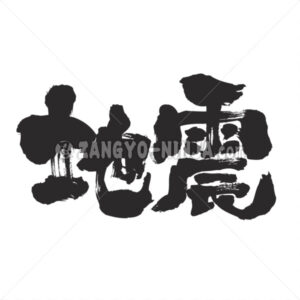
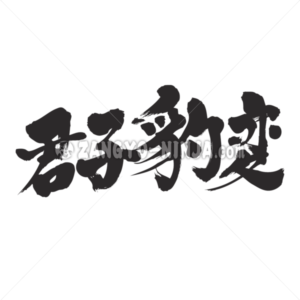
Nowadays, it is used in a negative way, saying, “A person who has a good point will immediately change his attitude and abandon his principles and ideas.” However, originally, it is a positive four-character idiom that “a good person immediately corrects his mistakes and quickly goes for the better.” Japanese calls Kun-shi-hyo-hen.
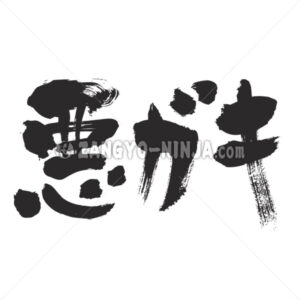

One of the Japanese first names. It’s not just about name of the manga’s character or anime. While it is not a name commonly given to modern Japanese people, it frequently appears in Japanese historical fiction such as period dramas, manga, and anime set in the past. For example, Sasuke a character for a … Read More
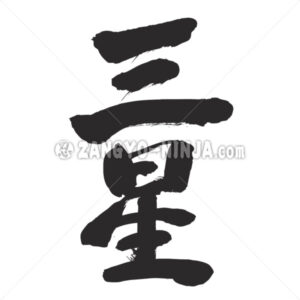
1. Three stars. Also, something like that. 2. In terms of grade and rating, evaluate on a three-point scale from one star to three stars. Or such a rating system. 3. The highest evaluation in the evaluation system that evaluates in 3 stages. Japanese calls Mitsu-boshi