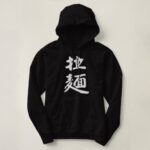


Ramen is a dish born from the influx of Chinese noodle cuisine into Japan and its fusion with Japanese food culture. By combining the five elements of noodles, broth, sauce, ingredients, and fat/oil, an infinite number of recipes can be created, and many variations exist in terms of taste and style, including Soy sauce ramen, Miso ramen, Salt ramen, Tonkotsu ramen, and dipping ramen.
History of Ramen
What was the first ramen eaten in Japan?
Ramen has its roots in Chinese noodles, and although there are records of “sutra noodles” already being eaten in Japan in the 15th century, which were made using a recipe almost identical to that of modern ramen noodles, they did not spread to the general populace.
In 1858, Japan broke its 200-year isolation and concluded treaties of amity and commerce with other countries, opening its ports the following year in 1859. As a result, many foreigners moved to Japan, and Chinese noodle dishes began to spread in earnest amidst the influx of foreign food culture.
The Birth of the Ramen Restaurant
In 1870, the first Chinese restaurant in Japan was established in Yokohama. For a long time after that, Chinese cuisine was mainly a high-class, course-based cuisine, but as the number of Chinese students increased from around the late Meiji period, Chinese restaurants catering to the masses also increased. Against this backdrop, “Rairaiken” opened in Asakusa, Tokyo in 1910 and was the first ramen restaurant to fuse Chinese noodle cuisine with Japanese food culture. It was so prosperous that on a typical day, it served 3,000 bowls of ramen in a single day.
Ramen Culture Spreads from Yatai
The Great Kanto Earthquake of 1923 caused extensive damage to Tokyo and Yokohama, where ramen restaurants were concentrated at the time. After the earthquake, the number of “yatai” stalls, which could be easily started, increased, and ramen stores were scattered across the country. Unlike street stores, many yatai limited the number of items on their menus and ramen stores became increasingly specialized. 1939 saw the start of World War II and many ramen stores were forced to close, but after the war the number of yatai shops increased again due to the repatriation of Chinese refugees.
How did the word “ramen” come about?
After the war, ramen was still referred to as “Shina soba” or “Chuka soba”. It is said that the term “ramen” first became popular in Japan in 1958, when Momofuku Ando, the founder of Nissin Foods, developed the world’s first instant ramen, “Chicken Ramen. The inexpensive and delicious Chicken Ramen became explosively popular, and combined with commercials on television, which had just begun to spread, what had previously been called “Shina soba” or “Chuka soba,” became nationally recognized as “ramen” in a flash.