


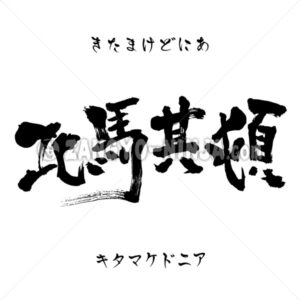
Description for country North Macedonia is a country located almost at the center of the Balkan Peninsula. It is an inland nation surrounded by other countries on all sides: Greece to the south, Bulgaria to the east, Albania to the west, and Serbia and Kosovo to the north. It was one of the six … Read More
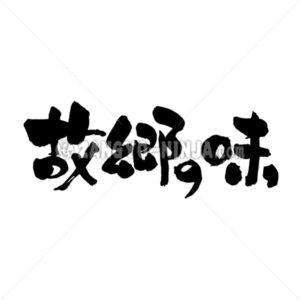
In summary, dishes made with ingredients such as preserved foods, fermented foods, and seasonings that people have thought about in the process of living in the area and forming the area. Japanese said “Furu sato no aji” and “Ko kyo no aji” in Japanese Kanji and Hiragana.
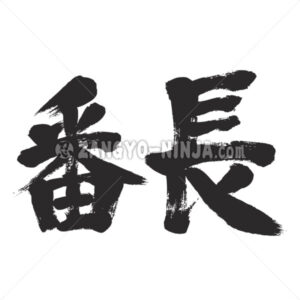
Leader of a group of juvenile delinquents such as junior high and high school students. Officials of various priests other than the provisions of the decree, who are in charge of guarding the palace and who command a large number of subordinates. Japanese calls “Ban Cho”.
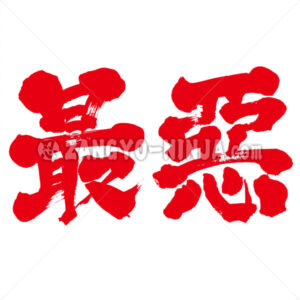
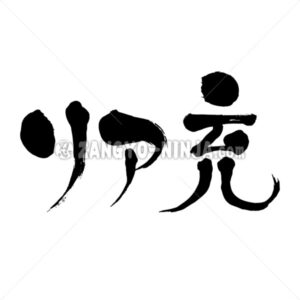
This is a word that originated on the internet. The term itself spread and became widely recognized around 2005 on 2channel, and was originally a neologism coined by those who spent most of their time in online communities to self-deprecatingly express that their real-life lives were not fulfilling. It was originally called “real-life fulfilling … Read More
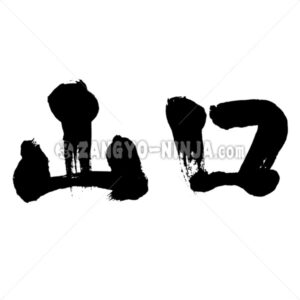
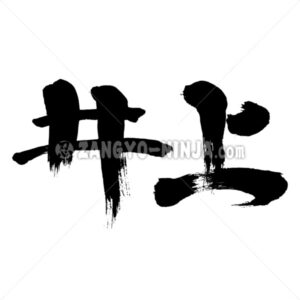
Hello, Mr. Inoue. This is an explanation of the origin of the surname Inoue, which is shared by your ancestors and friends. Inoue is the 16th most common Japanese surname. The etymology is on the well. Around the well. Since the well was an important base of life in ancient times, it is said … Read More
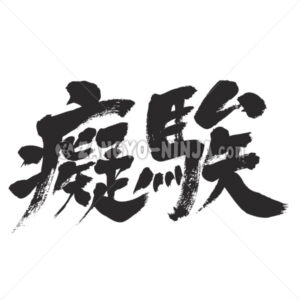
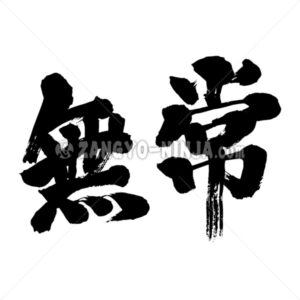
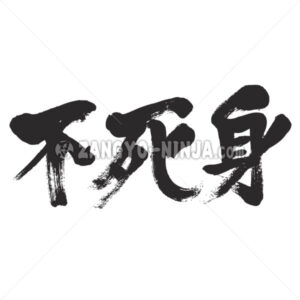
A body that can withstand any wounds, blows, illnesses, or pains. Japanese calls Fu-Ji-Mi the property of being invulnerable. the quality or state of being immortal.
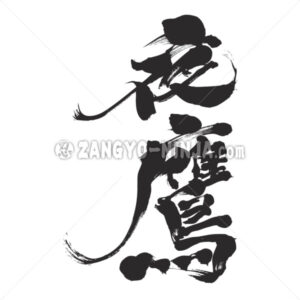
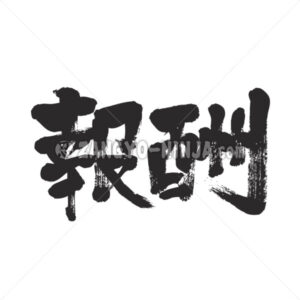
1. Money / goods paid as compensation for labor or use of goods. 2. In brain science, a stimulating stimulus that encourages a person to take a specific action. And what causes it. A meal that satisfies your appetite or a partner that satisfies your sexual desire. Japan call “Ho shu”.
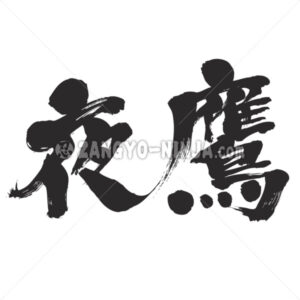
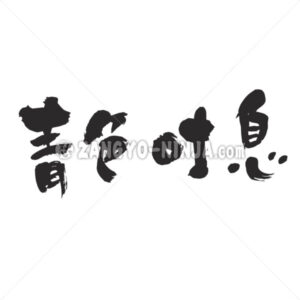
Um suspiro de insatisfação quando se está muito aflito ou com extrema dor. Também se refere ao estado em tais momentos. Quando se trabalha muito e se esforça ao máximo, o corpo e a mente ficam exaustos e a respiração fica difícil. No Japão, isso é chamado de “Ai iro to iki”.
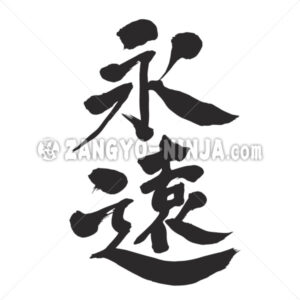
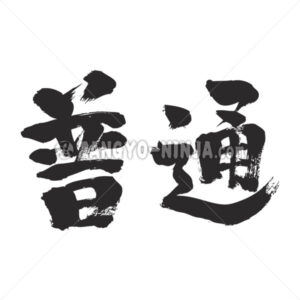
1. É muito comum. Seja normal. 2. Comunicar amplamente ou ao público. Também comum a todas as coisas dentro de um certo alcance, sem exceções. No Japão, chama-se “Fu tu”.
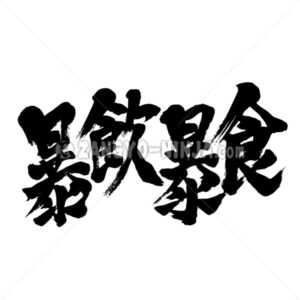
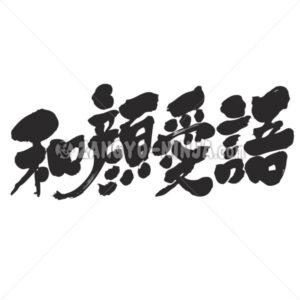
Um termo budista que se refere a um rosto sereno e a uma conversa gentil e atenciosa. Os dois primeiros caracteres, “和顔 Wagen”, representam rostos serenos. As duas últimas letras, “愛語 Aigo”, expressam sentimentos de amor. No Japão, são chamadas de “Wa gen ai go” e “Wa gan ai go”.
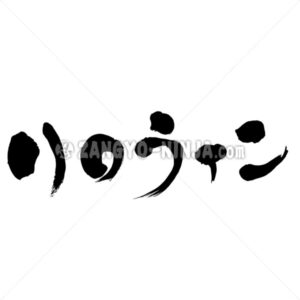
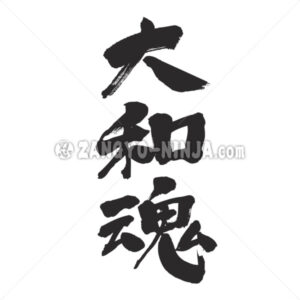
1. Refere-se à habilidade e sabedoria para lidar com as práticas comerciais japonesas e assuntos da atualidade, fruto do conhecimento adquirido com o estudo da cultura Han. 2. Um espírito único do povo japonês, presente na ideologia nacional desde o início da era moderna. Consciência japonesa. O Japão diz “Yamato Damashii”.
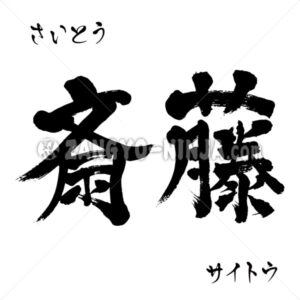
Hello, Mr. Saito. This is an explanation of the origin of the surname Saito, which is shared by your ancestors and friends. Its origin dates back to the Heian period when Fujiwara no Toshihito’s son, who was appointed as the head of the Saikyū (Sacred Palace Maiden) at Ise Shrine, adopted the name “Saito” … Read More
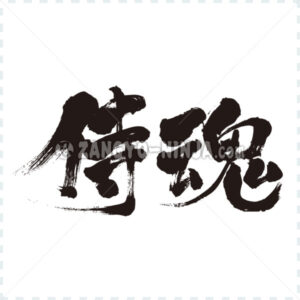
É um espírito de abnegação baseado em pensamentos extremamente puros, que combina nobreza e orgulho, uma forte vontade que não se submete a ninguém e uma mente inabalável. No Japão, isso é chamado de “Samurai damashii”.
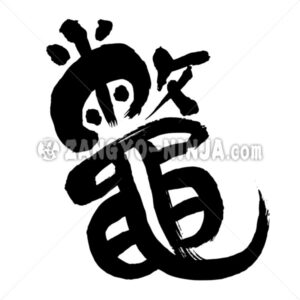
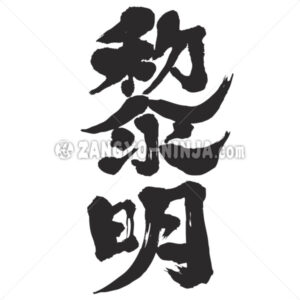
1. Quando o amanhecer estava prestes a dar lugar à manhã. 2. Quando as coisas estão prestes a começar. Quando uma nova cultura está prestes a surgir. No Japão, isso é chamado de “Rei mei”.
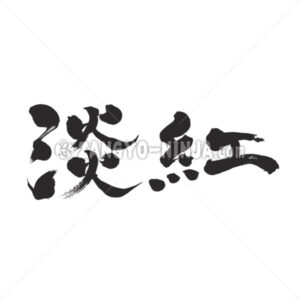
1. Um dos nomes da cor. Vermelho pálido, ligeiramente opaco. O tom pálido do vermelho transmite uma impressão calma e discreta. 2. Carmim aplicado delicadamente nos lábios e bochechas. No Japão, chama-se “Usu beni” ou “Tan ko”.