

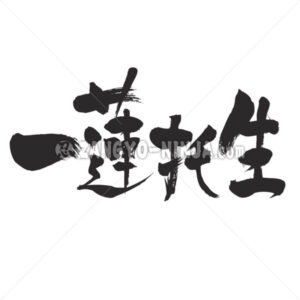
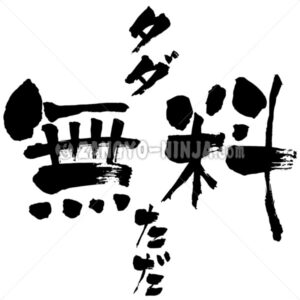
There is no price for goods or services. It’s Free written vertical in Japanese Katakana. Free written horizon in Japanese Kanji. Free written vertical in Japanese Hiragana. Hiragana and katakana are colloquial translations of Kanji, so the meaning may not be understood depending on what is written. Japanese called “tada” in Japanese katakana and … Read More
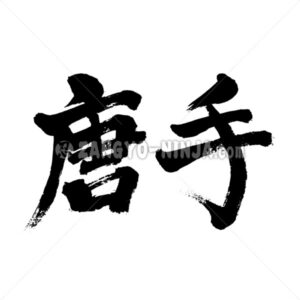
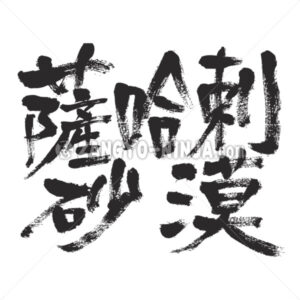
The world’s largest desert that stretches across the northern part of the African Continent. The name Sahara itself means “wilderness” in Arabic. It occupies about one-third of the total area of the African Continent. Most of it is rocky desert except for some dunes, and it is rich in underground resources such as oil, … Read More
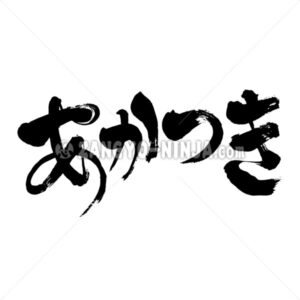

Being bullied or teased by half a joke. Unlike being bullied, treating the other person with love. Be careful, as it can be bullied if it goes too far. Japanese said “I ji ra re ta i”.
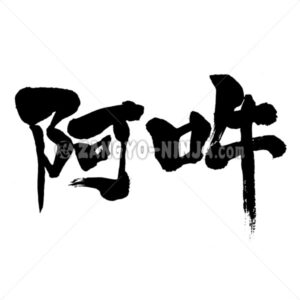
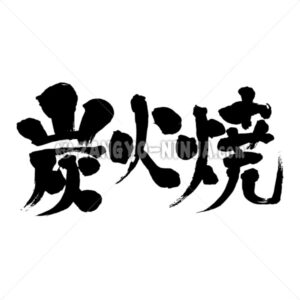
Um prato em que os ingredientes são grelhados em fogo aberto usando carvão vegetal como combustível. O fogo de carvão emite raios infravermelhos distantes quatro vezes mais do que o gás, e o calor radiante queima os ingredientes diretamente. No caso do gás contendo hidrogênio, ele gera vapor de água. O carvão, por sua vez, produz vapor de água .
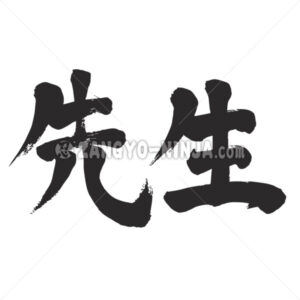
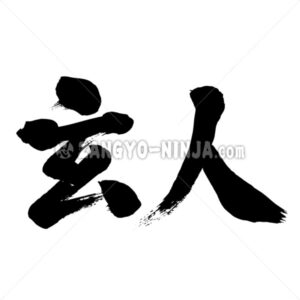
Description for professional A person who is proficient in arts and crafts. A person who specializes in one thing. Women in the restaurant, bar, or nightclub business, such as geisha and hostess. Its said “Kurou to” and “Kuro to”, in Japanese.

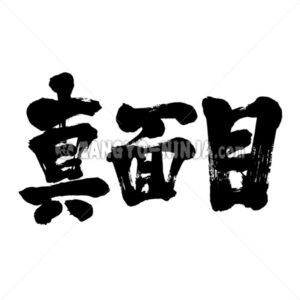
Preocupado com o trabalho ou assuntos importantes, em vez de brincadeiras ou trivialidades. Tenha um semblante sério. Seja sério. Deve ser sincero e sem adornos. Em japonês, isso é chamado de “Ma ji me”.
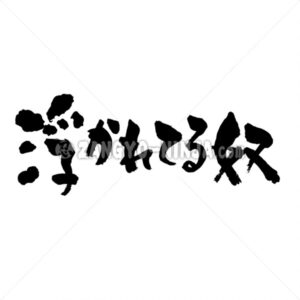
Someone who is cheerful. A person who is happy and excited. Someone who is fascinated by the fun. Japanese says “U ka re te i ru yatsu”.
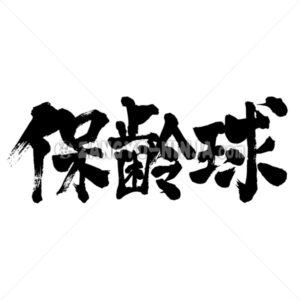
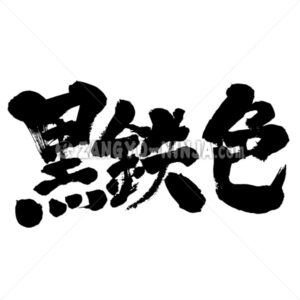
Uma cor com um brilho metálico na superfície, claramente diferente da aparência de uma superfície normal. É frequentemente usada em eletrodomésticos e embalagens. O que se vê na pintura automotiva é a tonalidade e a textura da cor, características de um material brilhante, obtido principalmente pela mistura de pó de alumínio. … Leia Mais
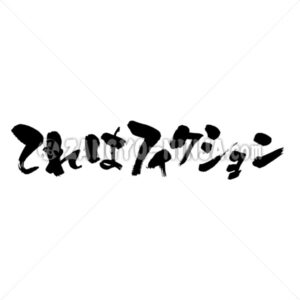
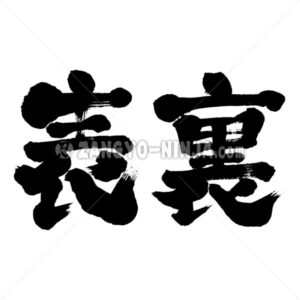
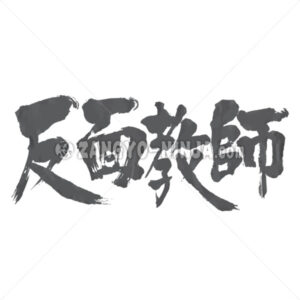
1. A frente e o verso de um objeto. O exterior e o interior da matéria. Além disso, deve haver uma relação frente-verso. Posições e posições conflitantes entre si. 2. Há uma diferença entre o exterior e o interior. A diferença entre o que você diz e faz em público e o que você… Leia Mais
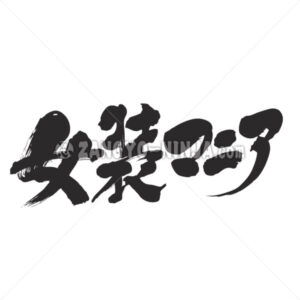
Crossdressing generally refers to men wearing women’s clothing (including make-up and hairstyles). In this case, it refers to a person who is good at dressing up as a woman and is absorbed in it. Japanese calls Jo-so-ma-ni-a.
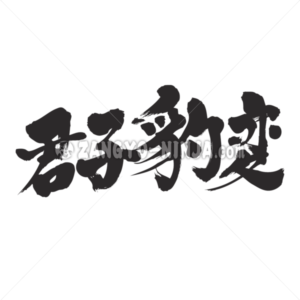
Nowadays, it is used in a negative way, saying, “A person who has a good point will immediately change his attitude and abandon his principles and ideas.” However, originally, it is a positive four-character idiom that “a good person immediately corrects his mistakes and quickly goes for the better.” Japanese calls Kun-shi-hyo-hen.
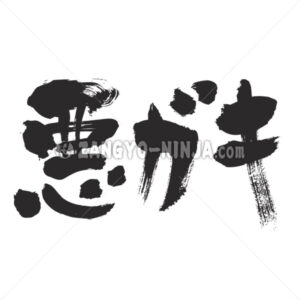
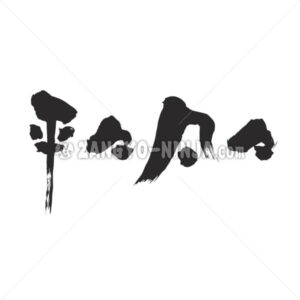
Muito comum. Não é algo mediano e não tem nada de particularmente bom ou incomum. Em japonês, diz-se “Hei hei bon bon”. Uma expressão que reforça o conceito de “平凡 (ordinário)” como um idioma de quatro caracteres.
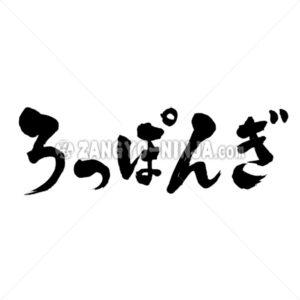
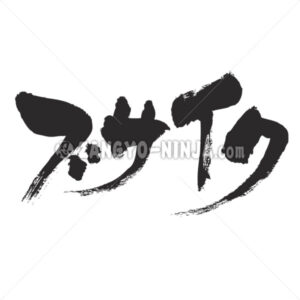
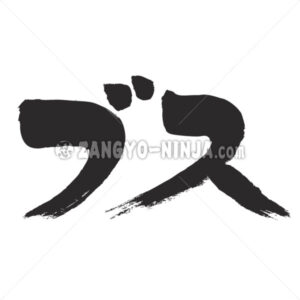
It refers to the appearance and appearance of ugliness and inferiority. Originally, he said that the work (crafts) was poor. In turn, it refers to things that are generally unsightly or unfavorable. In addition to that, it is also included in slander. Japanese said “Busaiku” in Katakana.
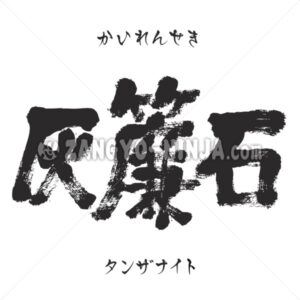
What is Tanzanite? Tanzanite was first discovered in the Merelani Mine located in the Arusha region of Tanzania, East Africa. It is a stone formed when vanadium, a type of mineral, entered the rock through some process. Its most distinctive feature is its pleochroism, appearing blue to purple. This phenomenon is extremely rare, meaning … Read More
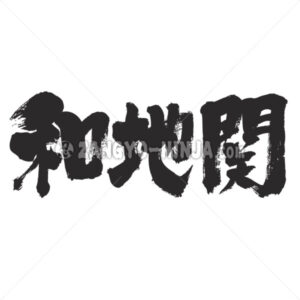
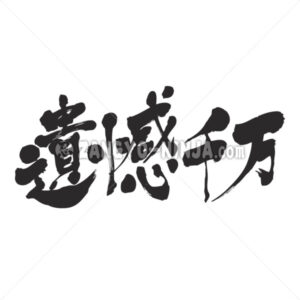
As coisas não me vêm à mente, e lamento estar morrendo. É muito triste. Em japonês, diz-se "i kan sen ban".
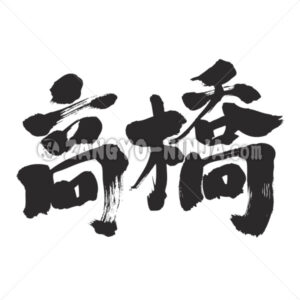
Hello, Mr. Takahashi. This is an explanation of the origin of the surname Takahashi, which is shared by your ancestors and friends. The surname Takahashi is derived from the place name “Takahashi” in various parts of the country. “Takahashi” means “the edge of a hill” or “a high bridge”, and it was named as … Read More