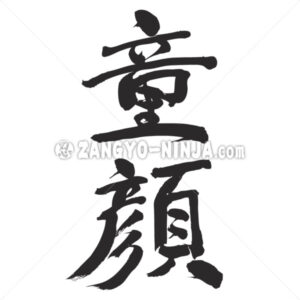

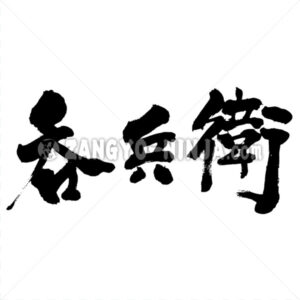
A person who loves alcohol and drinks frequently A term used to describe a person who likes to drink heavily or who drinks frequently, as if it were a person’s name. It is important to understand that this word is not a compliment, as it also carries the image of a person who drinks … Read More

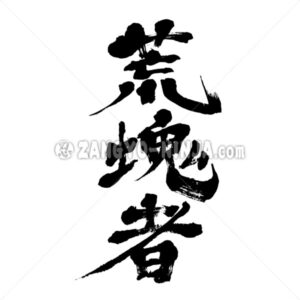
A word that describes a person’s character and predispositions in Kanji. A person who has a rough temperament and is violent in behavior. Because it is a classical expression, it is not used in modern colloquial language, but it is rarely seen in games and anime with a medieval worldview. Although this word has … Read More
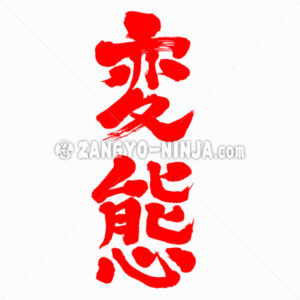
Description for Hentai A change in form, state, ecology, etc. In particular, when an insect or the like transitions from a larva to an adult, it changes its appearance and structure significantly. In plants, the roots, stems, leaves, etc., change from their original shape and take on a significantly different form. The leaves become … Read More

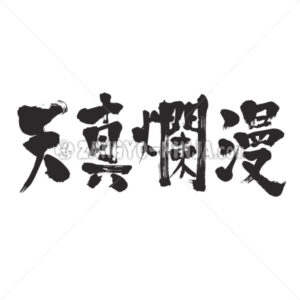
Explanation of simple and innocent An expression that means innocent and unpretentious. The innocent “天真” means the nature of nature. “爛漫” means shining. The origin of the word is said to be the expression originally used to describe a flower painting as a “no-frills fine work”. Basically, it is used as a compliment with … Read More
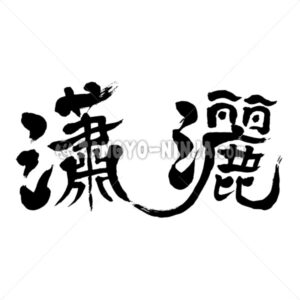
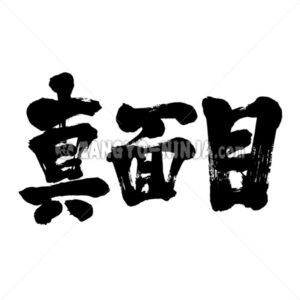
Preocupado com o trabalho ou assuntos importantes, em vez de brincadeiras ou trivialidades. Tenha um semblante sério. Seja sério. Deve ser sincero e sem adornos. Em japonês, isso é chamado de “Ma ji me”.
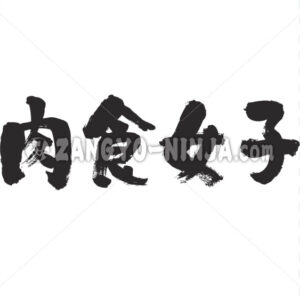
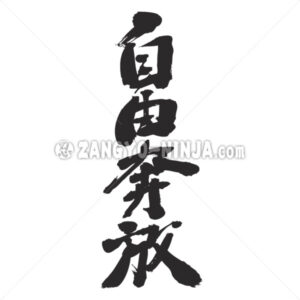
It is a coined word pointing to a woman who is active in love. There is “herbivorous girl” as an opposite word. It began to be featured in mass media around 2008. Japan call “Niku shoku jo shi”.

Agir por conta própria, sem se prender a regras e convenções sociais. Não seguir regras. No Japão, isso é chamado de “Ji yu hon po”. Há nuances positivas e negativas. Positivo: Uma atitude de agir por vontade própria, sem restrições. Negativo: Agir de forma egoísta, sem consideração pelos outros. As duas primeiras letras são… Leia Mais
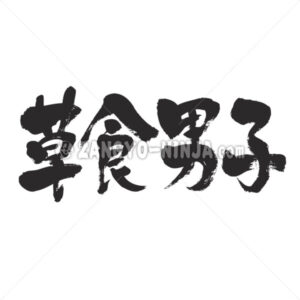
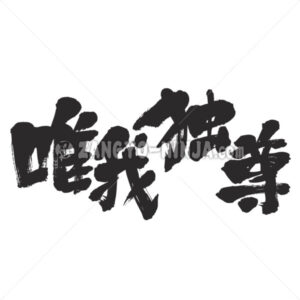
“Herbivorous boy” are men who have a mild character like herbivores. Unlike “carnivorous boy”, there is no way to actively act on the opposite sex. “Carnivorous boy” refers to people who are active in love. Japanese says “So shoku Dan shi” as coined word at recent.


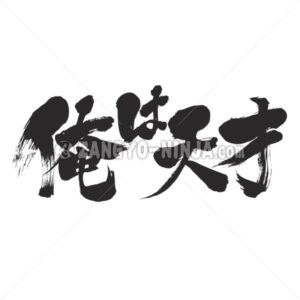
Japanese call “Ore Wa Ten Sai” with Kanji and Japanese Hiragana. It’s male says word. The first letter is the letter representing me to male.

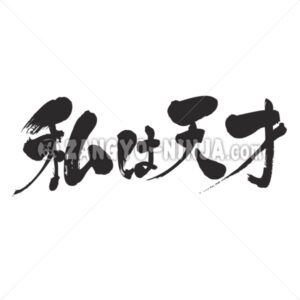
Description Since the first-person pronoun is the kanji character “私,” this notation can be used by both men and women. Normally, Japanese women do not use this word very often. Men who want to show off more would use this notation. Explanation of the work Japanese calls “Watashi Wa Ten Sai” with Kanji and … Read More

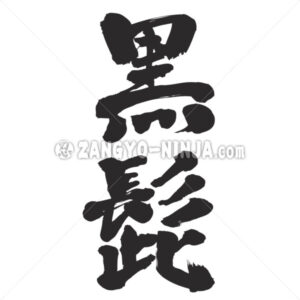
Japanese says Kuro-Hige. Person who grew black beard. an English pirate who operated in the Caribbean and off the Atlantic coast of North America.

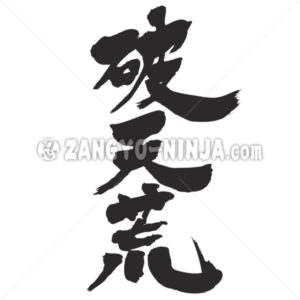
Doing things that no one has ever done. Breaking through unprecedented boundaries. Many Japanese people mistakenly think that they have a bold personality. In Japanese, It’s called “Ha Ten Ko”.
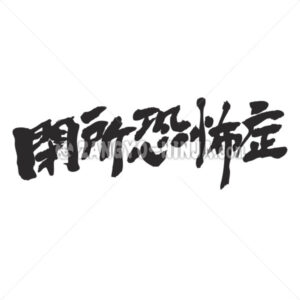
A kind of phobia. It is a symptom feels extreme fear of being in a confined narrow space or place. Japanese says “Hei Sho Kyou Fu Sho”.

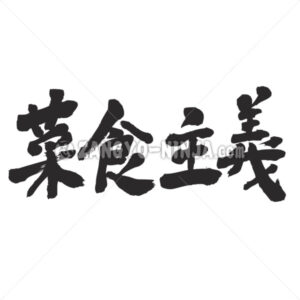
a diet excluding all meat and fish. The principle that it is desirable to limit all human food to plant food. Derived from a religious or unique nutritional position. This principle is called a vegetarian. In Buddhism, meat eating is prohibited in principle, and some Christians, like the Seventh Worship Day, are vegetarian, but … Read More
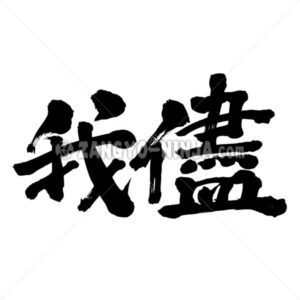
stinginess resulting from a concern for your own welfare and a disregard of others. Japanese says Waga-mama. This is difficult Kanji.

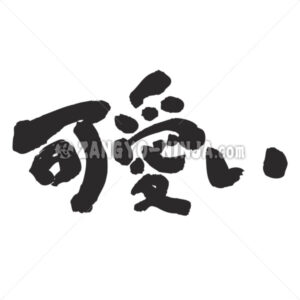
1. lovable especially in a childlike or naive way. 2. pleasing by delicacy or grace. 3. appealing to the emotions as well as the eye. Japanese said Kawaii
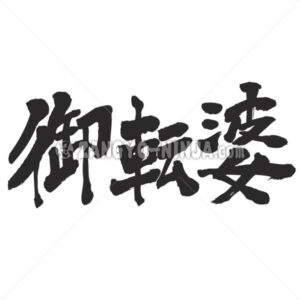
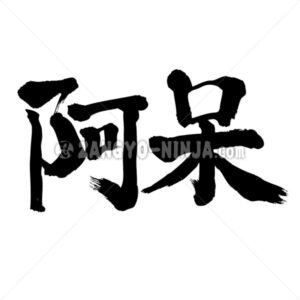
Provocadora, rantipole. Uma garota que se comporta de maneira masculina. Em japonês, diz-se O-ten-ba.


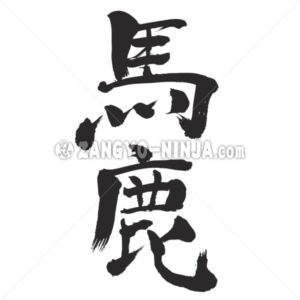
1. a person of subnormal intelligence. 2. a person who lacks good judgment. 3. the trait of acting stupidly or rashly. This is wrote by 馬(house) with 鹿(deer) in Japanese. Japanese says Ba-ka.
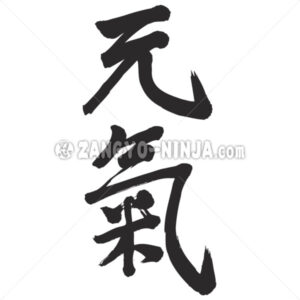
Um estado de contentamento, de felicidade, saúde e prosperidade. Em japonês, diz-se Gen-ki. Este 氣 é um caractere antigo. É o caractere mais apropriado para esta palavra.

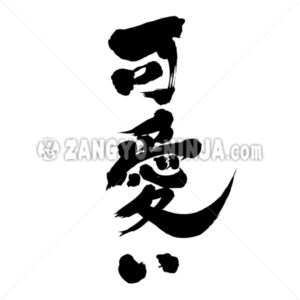
Significa agradável pela delicadeza ou graça. E agradável, aprazível ou formoso em natureza ou aparência. Em japonês, diz-se Ka-Wai-i.