

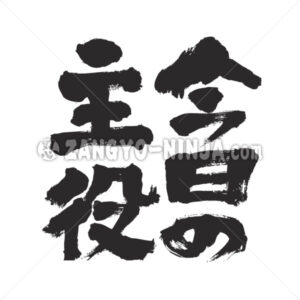
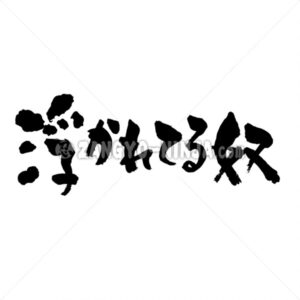
Someone who is cheerful. A person who is happy and excited. Someone who is fascinated by the fun. Japanese says “U ka re te i ru yatsu”.
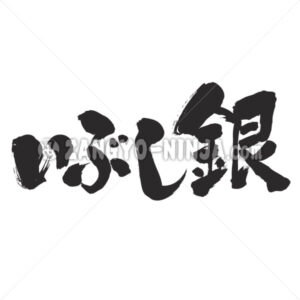
1. Não há uma aparência glamorosa, mas algo que faz você se sentir atraente. 2. A própria prata e sua cor oxidada. A prata é coberta com sulfeto de prata ao longo dos anos, devido à sulfurização da superfície por reação química. No Japão, isso é chamado de “I bu shi gi n”, que é escrito em hiragana e kanji.
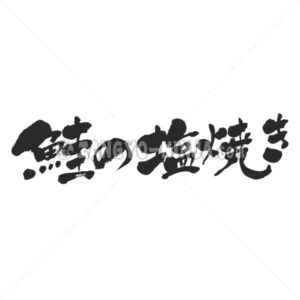
Regue com saquê, polvilhe com sal, deixe descansar por cerca de 10 minutos e umedeça delicadamente a água que se formou com papel toalha. [Nota] Se ficar muito tempo na frigideira, a massa endurece. Espalhe a massa em uma frigideira, asse a parte de cima em fogo médio até cerca de 60%, vire e asse o restante (40%). Japonês… Leia Mais
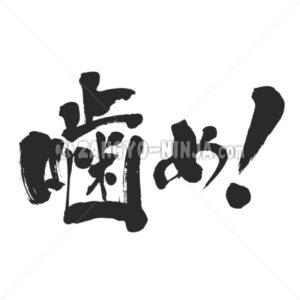
Japan calls “Ka me” in Japanese Kanji and Hiragana. 1. With the upper and lower teeth, they crush and crush things. 2. In between the upper and lower teeth, it hurts. 3. The teeth of the two gears are aligned. 4. The water of the sea and the river rushed up. 5. Join as … Read More
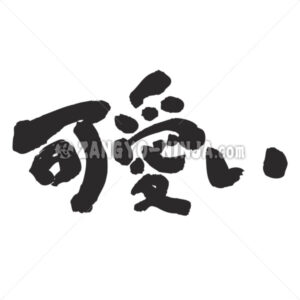
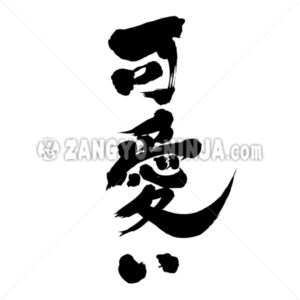
Significa agradável pela delicadeza ou graça. E agradável, aprazível ou formoso em natureza ou aparência. Em japonês, diz-se Ka-Wai-i.