

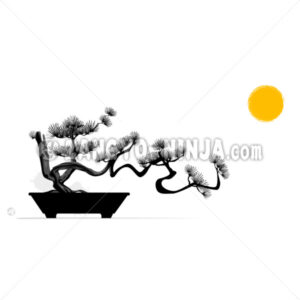
Este é um arquivo vetorial, mas a obra foi desenhada no estilo de pintura a tinta (estilo Suiboku). No Japão, a lua e o sol são representados de maneiras diferentes. Nesta obra, o círculo amarelo à direita representa a lua. O círculo amarelo desenhado por estrangeiros geralmente representa o sol, mas no Japão, a lua e o sol são representados de forma diferente. Nesta obra, o círculo amarelo à direita representa a lua. O círculo amarelo desenhado por estrangeiros geralmente representa o sol, mas no Japão, o sol é representado por um círculo amarelo .
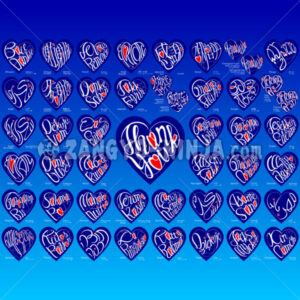
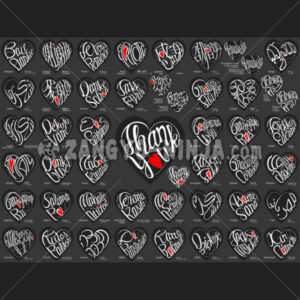
Esta obra contém um coração por idioma. Em 44 idiomas, a palavra "obrigado" é formal, educada ou mais enfática do que um agradecimento comum, tornando-se uma escolha de palavra adequada para uso com familiares, amigos e outras pessoas com quem você não tem proximidade. Kokoro é a palavra japonesa para "心" (coração), uma palavra que... Leia Mais

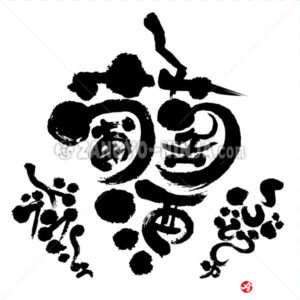
Wine is made from grapes. The shape of the grape is expressed through calligraphy. All of them read “Budoshu” and refer to grape wine, or wine in Japan. In this typographic work, the left side is written in Katakana, the center in kanji, and the right side in Hiragana, with wine written with a … Read More
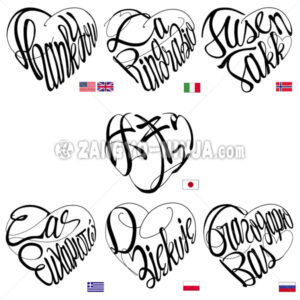
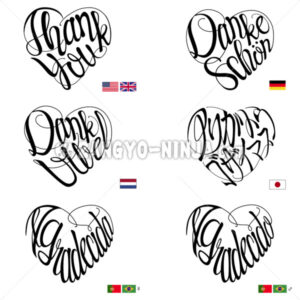
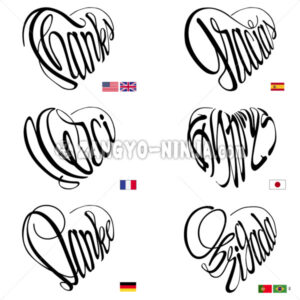
This is a typographic work that expresses the feeling of “Thank you” in the form of English, German, Dutch, Portuguese and Japanese Katakana. The theme is “Heart of Gratitude”. Changes from the previous work The lines of “Thank You” in English are longer and more frequent to emphasize the heart shape. All other languages … Read More
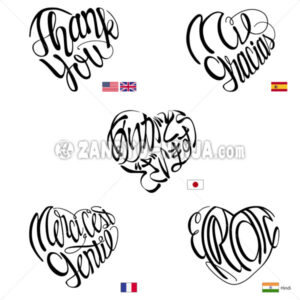
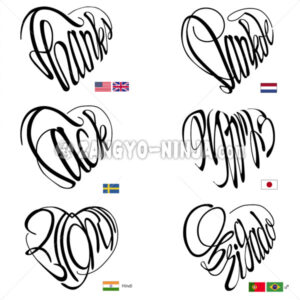
Thanks is expressed in English, Dutch, Swedish, Portuguese (male), Japanese Katakana and Indian Hindi as a heart-shaped writing style. And theme is “Heart of Gratitude”. The Japanese phrase “thanks” is written in a basic form. This Japanese phrase “arigatou” is the basic form of the word “thanks”. Although there are ways to write it … Read More
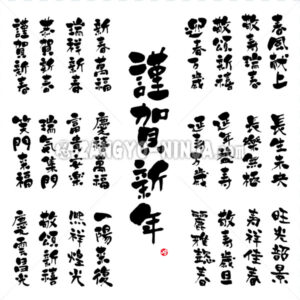
Handwritten and designed greetings for 25 types of New Year’s cards in Kanji. There are 2- and 4-character New Year’s greetings, which are words that are also used as 4-character phrases. (Some of them are not idioms and are not found in dictionaries.) Four-letter New Year’s greeting cards are considered to be used not … Read More
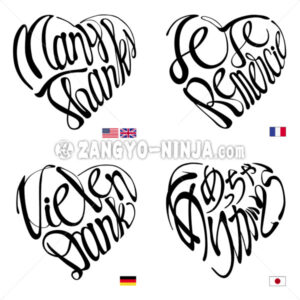
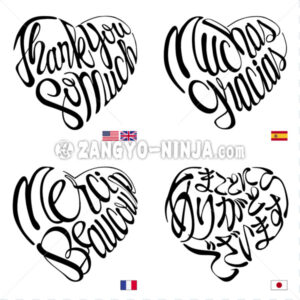
Thank you so much is expressed in English, Spanish, French, and Japanese in a heart-shaped writing style. The heart-shaped expression has many letters, so it is light-weight style and expressed in a 3D style with a bulging heart. And theme is “Heart of Gratitude”. About “Thank you so much” in Japanese The Japanese reading … Read More

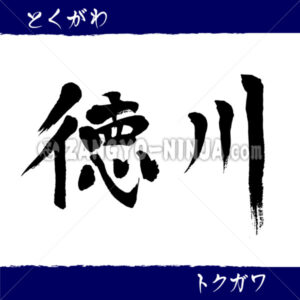
The surname of the shogunal family of the Edo shogunate, which lasted for approximately 260 years. Originally a local lord in Matsudaira Village, Kamo District, Mikawa Province, who used the Matsudaira surname, but changed it to Tokugawa during Ieyasu’s time. The Edo Shogunate began in 1603 (Keichō 8) when Tokugawa Ieyasu established it, and … Read More
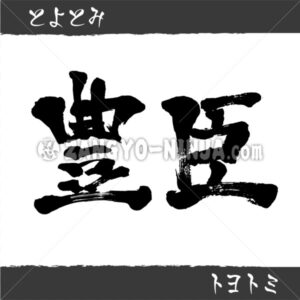
A daimyo family of the Azuchi-Momoyama period. It began when Hideyoshi was appointed Grand Minister of State in 1586 and granted the Toyotomi surname. History of the Toyotomi Clan Hideyoshi, originally from the Kinoshita clan of Owari Province, became a senior retainer of Oda Nobunaga and changed his surname to Hashiba in 1573 (Tenshō … Read More
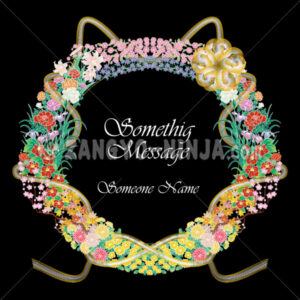
As flores das quatro estações do Japão são representadas em um anel no estilo Yuzen, envolto em Mizuhiki, um tecido que transmite elegância e prestígio. Este Mizuhiki tem o formato de um "Kemomimi". Descrição deste anel floral: O que é Yuzen? Yuzen é uma abreviação de tingimento Yuzen, uma técnica tradicional de tingimento... Leia Mais
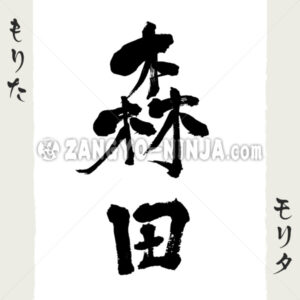
Hello, Mr. Morita. This is an explanation of the origin of the surname Morita, which is shared by your ancestors and friends. The first line on the left is in hiragana, the middle line is in kanji, and the third line on the right is in katakana, all written vertically. The first kanji character, … Read More
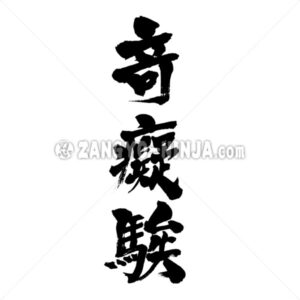
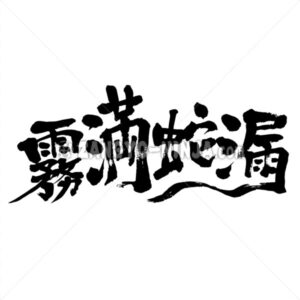
Kilimanjaro is located in eastern Tanzania, and at 5,895 meters above sea level, it is the tallest mountain in the world as an independent peak not belonging to a mountain range. Kilimanjaro National Park, which includes Mt. Kilimanjaro, was registered as a World Natural Heritage site in 1987 in recognition of its beautiful mountain … Read More
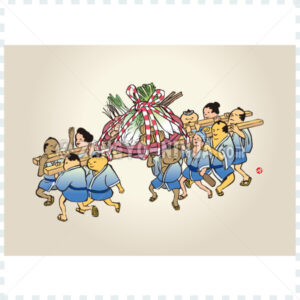
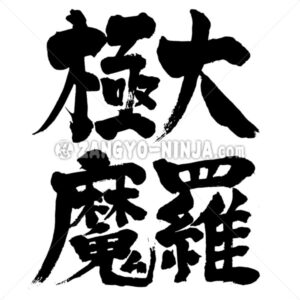
It is two horizontal lines with a total of four kanji characters. The top line is a Kanji character meaning extremely large, and the bottom line is slang for penis. The bottom line reads “Mala” in Japanese The etymology of the word is “something that hinders Buddhist practice and deceives the human mind.” and … Read More
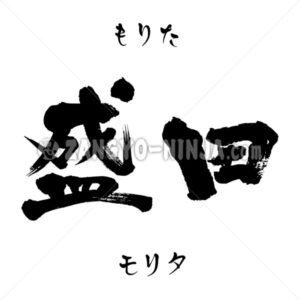
Hello, Mr. Morita. This is an explanation of the origin of the surname Morita, which is shared by your ancestors and friends. Found nationwide, particularly common in Aomori, Toyama, and Tottori Prefectures. Shared lineage with the Morita clan. Derived from the auspicious character “盛” (prosperity) and “田” (field). The Morita family of Aomori Prefecture: … Read More
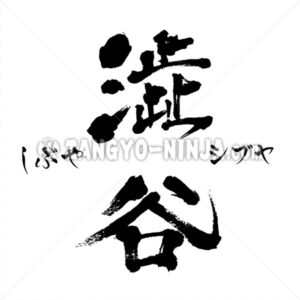
O primeiro caractere no centro é a forma antiga do caractere de Shibuya. Quase não se vê mais esse caractere hoje em dia, mas ele era usado até o início do período Showa. Parece que alguns japoneses ainda usam essa forma antiga em seus sobrenomes. Esse caractere é um kanji que significa "gosto amargo", "estagnar", ... Leia Mais
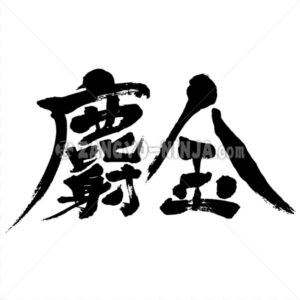
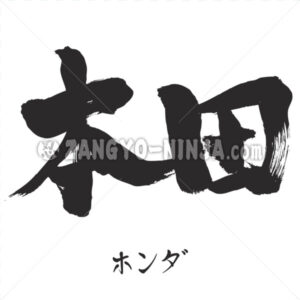
Honda is the 130th common Japanese surname. Hello, Mr. Honda. This is an explanation of the origin of the surname Honda, which is shared by your ancestors and friends. Topography. From the main rice field. It was located in the eastern part of Kagoshima Prefecture (formerly Osumi Province) during the Nanbokucho Period. It is … Read More