

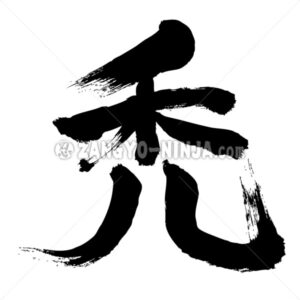

1. To chant with feelings of celebration and joy. Often accompanied by vigorous raising of both hands. It also refers to the action. 2. Happy things. Words that celebrate longevity and long-lasting prosperity. 3. To surrender after losing a battle or competition. In baseball, when a fielder raises his hands to catch a fly … Read More
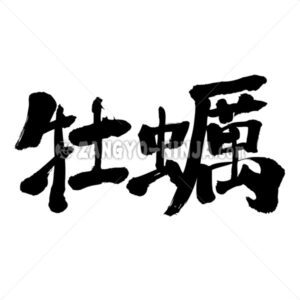
1. Moluscos marinhos com concha áspera e irregular. 2. Um pequeno músculo em cada lado das costas de uma ave. Em japonês, diz-se Ka-ki (Kaki)
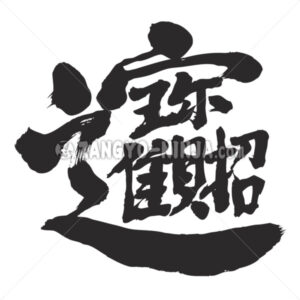
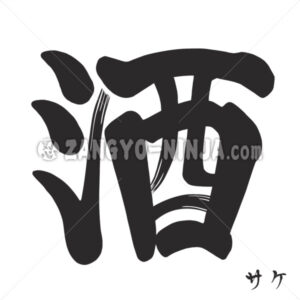
About Sake An alcoholic beverage made by fermenting rice. Japanese sake. In ancient times, cloudy sake was predominant, but clear sake began to be produced around the Muromachi period. Today, it primarily refers to clear sake. Made from rice, rice koji (malted rice), and water, fermented and then filtered. Secondary ingredients such as glucose, … Read More
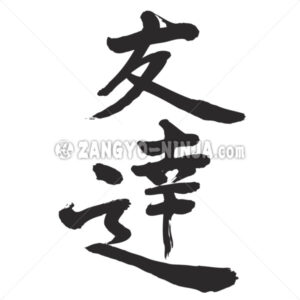
a person you know well and regard with affection and trust. informal term for a friend of the same sex. Japanese says Tomo-dachi.
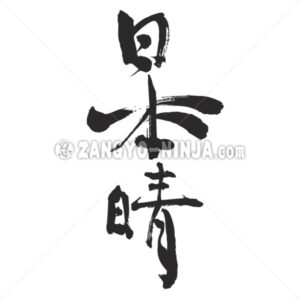
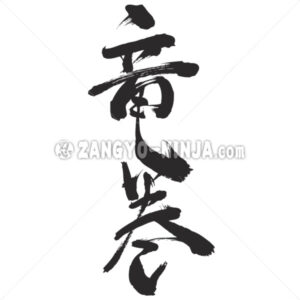
a localized and violently destructive windstorm occurring over land characterized by a funnel-shaped cloud extending toward the ground. Japanese says Tatsu-maki.
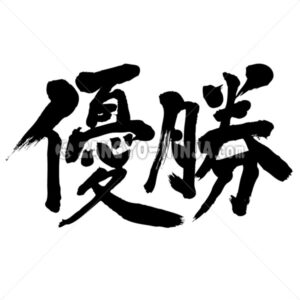
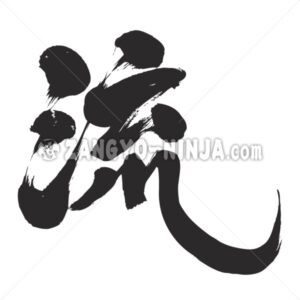
Uma direção geral para a qual algo tende a se mover. Tendência. Uma maneira de expressar algo (na linguagem, na arte, na música etc.) que é característica de uma pessoa, grupo de pessoas ou período específico. Estilo expressivo.
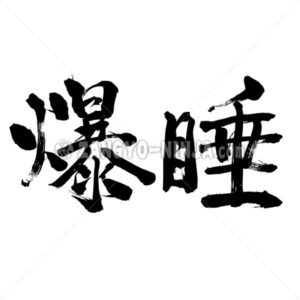
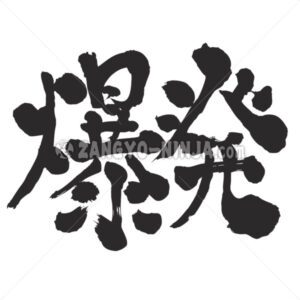
1. O ato de explodir ou estourar. 2. Estourar e liberar energia por meio de uma reação química ou física violenta. 3. Demonstrar uma reação emocional violenta. Em japonês, diz-se Baku-hatsu.
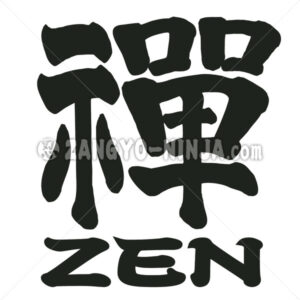
Descrição do Zen: uma doutrina budista que afirma que a iluminação pode ser alcançada através da intuição direta. Escola do budismo Mahayana que defende que a iluminação pode vir através da meditação e da intuição, em vez da fé. Abreviação do substantivo "sentado": '座禅'. Este é um estilo antigo de caractere japonês. "禅". Compare com esta obra. Analisando este caractere, o… Leia Mais
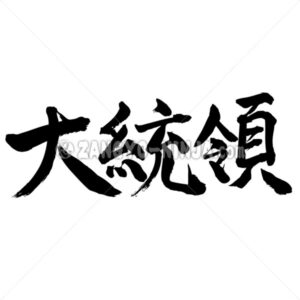
1. the chief executive of a republic. 2. the person who holds the office of head of state of the United States government. 3. the head administrative officer of a college or university. 4. For example, words of customers who are invited to a bar. Japanese says Dai-to-ryo.
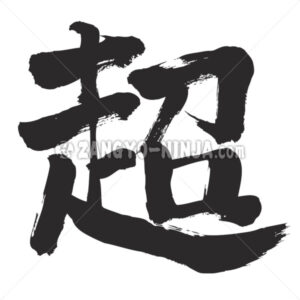
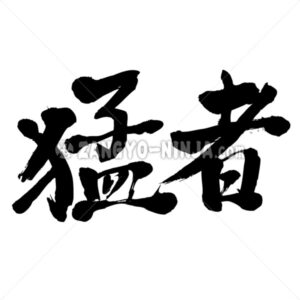
The kanji character “猛者” can be roughly translated as “tough guy”. ‘猛者’ is read as “mosa”. “mosa” refers to a person of exceptional strength and ability. It denotes not only physical strength but also experience, skill, and mental fortitude. In the Warring States period, it referred to brave samurai and soldiers who distinguished themselves … Read More
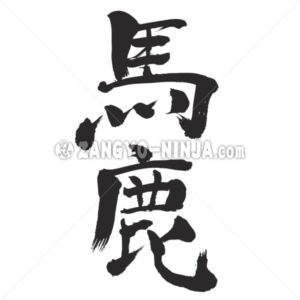
1. a person of subnormal intelligence. 2. a person who lacks good judgment. 3. the trait of acting stupidly or rashly. This is wrote by 馬(house) with 鹿(deer) in Japanese. Japanese says Ba-ka.
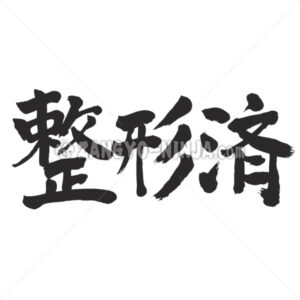
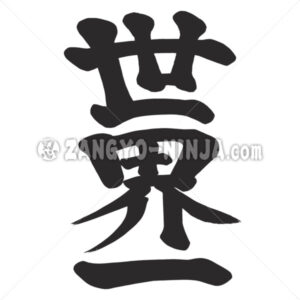
The top in Japanese has various ways of writing it, and this is one example. the best (greatest) in the world. world’s top. In Japanese, it’s called Se-kai-ichi. What’s Ichiban style? The work titled “Ichiban” was created by “Aokage,” the administrator of this site, and “Aokimono,” a contributor. It first demonstrated a bold, substantial … Read More
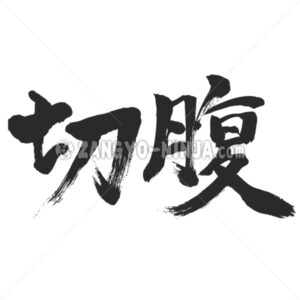
Ritual suicide by self-disembowelment on a sword. A form of ritual suicide by disembowelment using a blade, practiced by Japanese samurai, especially to rid oneself of shame, as a means of protest or, formerly, as a method of capital punishment. Japanese says Seppuku.