

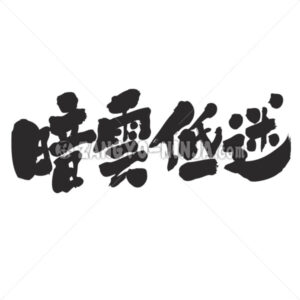
Uma palavra que indica uma situação preocupante, na qual é provável que ocorra um incidente grave, ou que as coisas ruins continuam e a situação é incerta, como se as nuvens estivessem baixas e dificilmente se dissipassem. Em japonês, diz-se An-un-tei-mei.
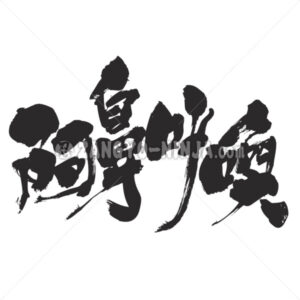
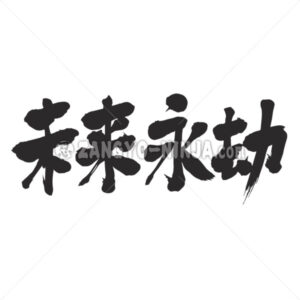
Anos muito longos no futuro. Também usa advérbios para expressar o significado de eternidade. No Japão, chama-se “Mi rai ei go” e “Mi rai yo go”.
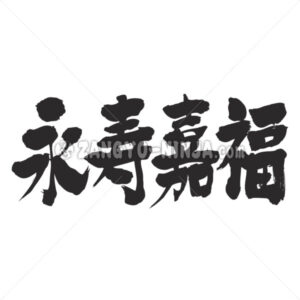
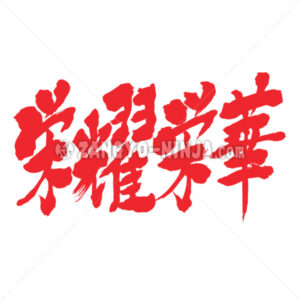
É uma expressão que usamos para cumprimentar o ano novo e desejar longa vida e felicidade. No Japão, chamamos de “Ei ju ka fuku”.
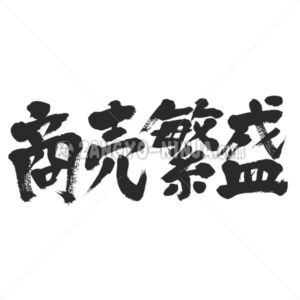
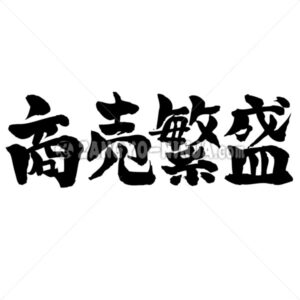
That the business goes well, the profit comes out, and it flourishes. Japanese says “Sho bai han jo”.
A parable of lavish pleasures and eateries filled with liquor and water like ponds and meat built like a tree-lined forest with lots of treats such as liquor and meat. Japanese says “Shu chi niku rin”.
Desenvolver novas ideias com base no estudo do passado, aprendendo com o passado. Em japonês, diz-se "On Ko Chi Shin".
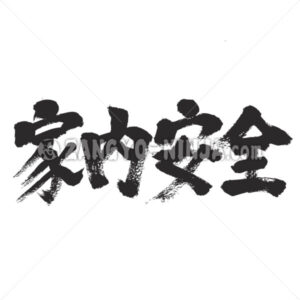
It means that the family will be safe and free from various calamities in that year, and that the family will be prosperous and all family members will be healthy and have a stable spirit and full of vitality. Japanese says “Ka Nai An Zen”. Examples of English translations peace and prosperity in the … Read More
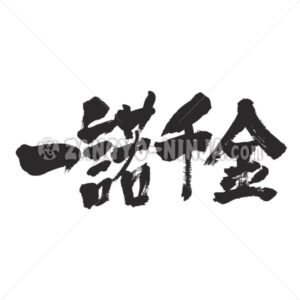
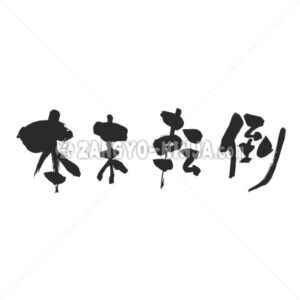
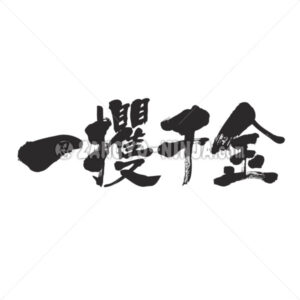
a thousand at one scoop. to make a fortune at a stroke. Easily get big profits at once. Earn huge profits in one job. Japanese says “I kkaku sen kin”.
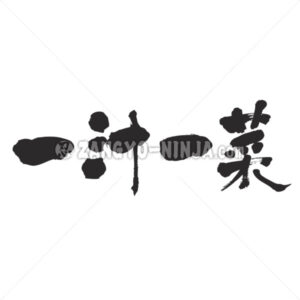
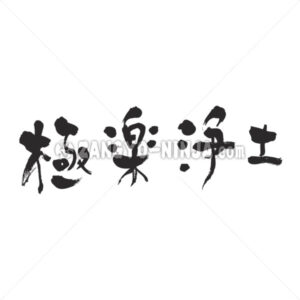
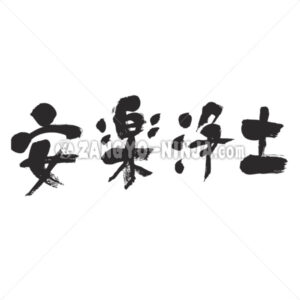
Japanese calls Goku-Raku-Jo-do. the abode of God and the angels. any place of complete bliss and delight and peace.
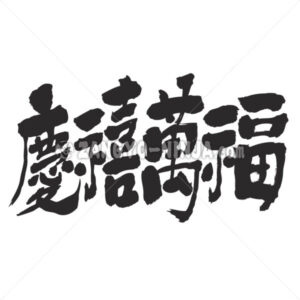
Em japonês, chama-se Kei-Ki-Man-Puku. Muitos felizes, sejam felizes, sejam bons, lá esperariam e irão.
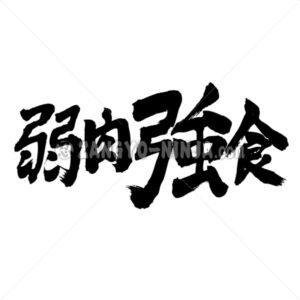
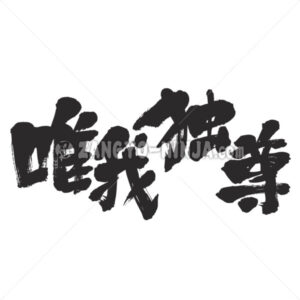
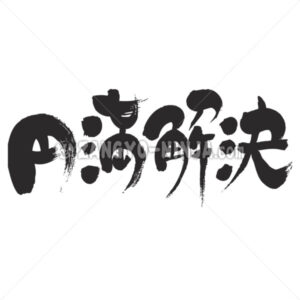
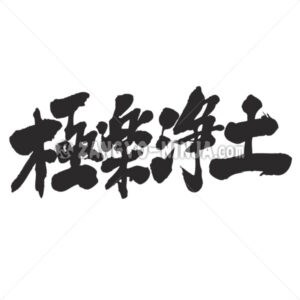
Terra Pura de Gokuraku. Terra Pura do Buda Amida. Em um mundo completamente livre da dor de mais de um bilhão de pessoas no Ocidente, acredita-se que aqueles que se lembrarem de Amida serão recebidos após a morte. Em japonês, diz-se “Goku Raku Jo Do”.
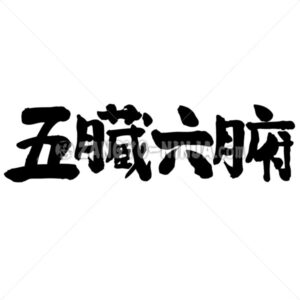
It is the name of the internal organs of the human body in Chinese medicine, and the five organs are liver, heart, spleen, lungs, and kidneys. six organs refers to the six gall bladder, small intestine, stomach, large intestine, bladder, and sansho. If you compare the five viscera and six organs with the organs … Read More
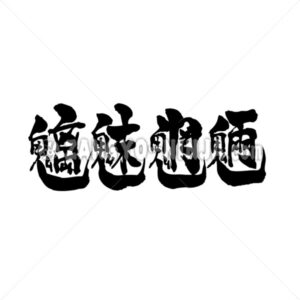
Os japoneses chamam Chi-Mi-Mo-Ryo de espíritos malignos das montanhas e rios. São monstros. Existe uma teoria, que varia de acordo com o livro, mas "CHI" representa o deus da montanha, "MI" o monstro e "Moryo" o deus da água.