

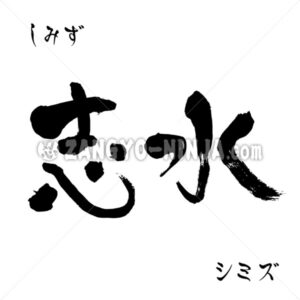
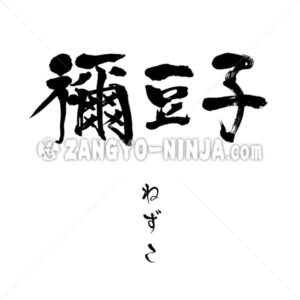
One of the names for Japanese women In Japan, names ending with characters like “子 (ko), 美 (mi), or 恵 (e)” are almost always female, though there are exceptions. Until the Showa era, names ending with “子” were common for women, but from the end of Showa through Heisei, such names became less frequent. … Read More
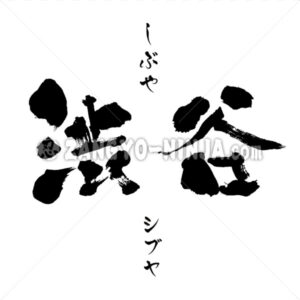
Shibuya exists both as a place name and as a surname. Shibuya as a place name (Tokyo) A ward located in the southwest of Tokyo’s 23 wards. In 1932 (Showa 7), the three towns of Shibuya, Sendagaya, and Yoyohata in Toyotama District merged to form Shibuya Ward. Regarding the station itself, in March 2013, … Read More
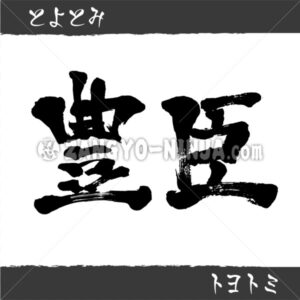
A daimyo family of the Azuchi-Momoyama period. It began when Hideyoshi was appointed Grand Minister of State in 1586 and granted the Toyotomi surname. History of the Toyotomi Clan Hideyoshi, originally from the Kinoshita clan of Owari Province, became a senior retainer of Oda Nobunaga and changed his surname to Hashiba in 1573 (Tenshō … Read More
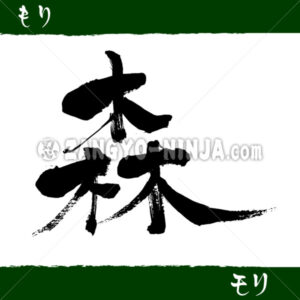
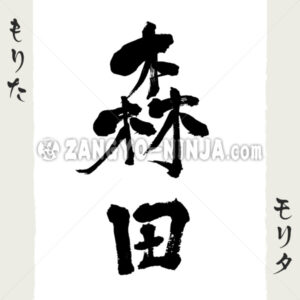
This word has two main uses. One is to mean “forest.” There is a kanji character using the character for “Ki” (木) that means “Hayashi” (林). Both “森” and ‘林’ mean “forest,” but those who realize that the different kanji characters actually mean different things are very astute. In Japanese, “林” refers to a … Read More
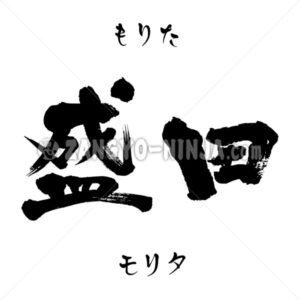
Hello, Mr. Morita. This is an explanation of the origin of the surname Morita, which is shared by your ancestors and friends. Found nationwide, particularly common in Aomori, Toyama, and Tottori Prefectures. Shared lineage with the Morita clan. Derived from the auspicious character “盛” (prosperity) and “田” (field). The Morita family of Aomori Prefecture: … Read More
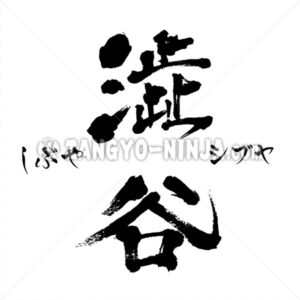
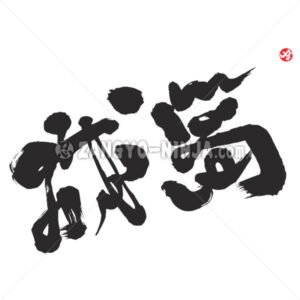
O primeiro caractere no centro é a forma antiga do caractere de Shibuya. Quase não se vê mais esse caractere hoje em dia, mas ele era usado até o início do período Showa. Parece que alguns japoneses ainda usam essa forma antiga em seus sobrenomes. Esse caractere é um kanji que significa "gosto amargo", "estagnar", ... Leia Mais
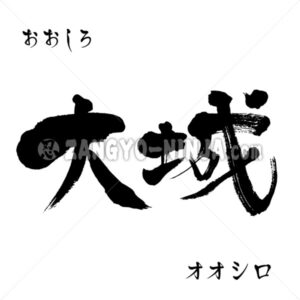
Hello, Mr. Ohshiro. This is an explanation of the origin of the surname Ohshiro, which is shared by your ancestors and friends. This is a representative surname originating from Okinawa’s castle ruins (gusuku) culture. Meaning “large castle,” it was formerly called “ufugushi” and traces its origins to ancient settlements and clan lineages (monchū) in … Read More
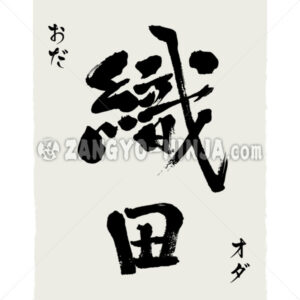
A military commander of the Sengoku and Azuchi periods. The surname of Nobunaga. Son of Oda Nobuhide. His childhood name was Yoshihōshi. He succeeded to the family headship in 1551. Defeated Imagawa Yoshimoto at the Battle of Okehazama in 1560. Formed an alliance with Matsudaira Motoyasu (Tokugawa Ieyasu) of Mikawa in 1562. As a … Read More
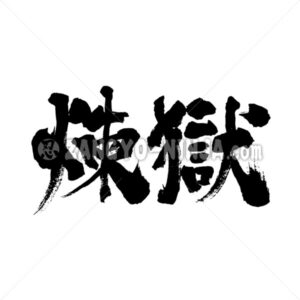
Description for Rurgatory. The “Rengoku” isn’t just a character from the manga or anime. One refers to the place or state In Christian doctrine, the place and state where souls who have committed venial sins—not severe enough to warrant hell but not yet worthy of heaven—undergo purification through suffering while awaiting the Last Judgment. … Read More
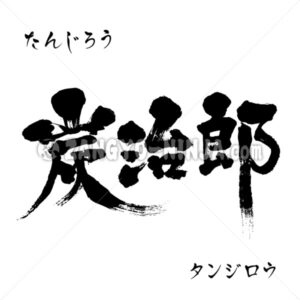
One of the first names for Japanese men. The name “Tanjiro” isn’t just a character from the manga or anime. It is rarely seen in modern male names. Modern names are mostly one or two kanji characters, and three-kanji names are relatively uncommon. For men, adding “郎” (ro) was common since ancient times, similar … Read More
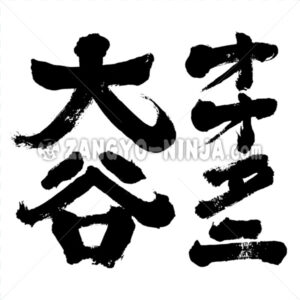
Hello, Mr. Ohtani. This is an explanation of the origin of the surname Ohtani, which is shared by your ancestors and friends. It is a geographical family name, widely found outside of the Tohoku and Kyushu regions. The most common reading of “Ohtani” is “Ohtani,” but in the Tohoku region and near Ota City, … Read More
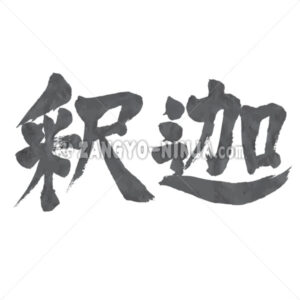
Descrição de Sakyamuni, fundador do budismo. Embora existam várias teorias sobre as datas de seu nascimento e morte, é difícil determiná-las com precisão, mas as mais populares são 565-486 a.C. e 465-386 a.C. Shakyamuni é uma transcrição do sânscrito shakya. Originalmente, era o nome de uma tribo do norte da Índia, mas... Leia Mais
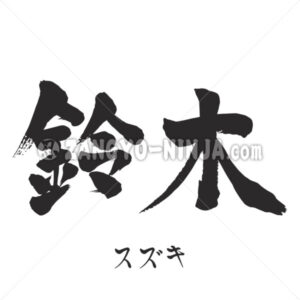
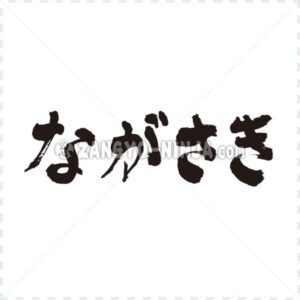
Description for Nagasaki city Nagasaki City is a city located in the southwestern part of Nagasaki Prefecture. It is also the prefectural capital and largest city of Nagasaki Prefecture, and is designated as a core city. During the Edo period, when the country was isolated, it was a port town with Dejima, the only … Read More
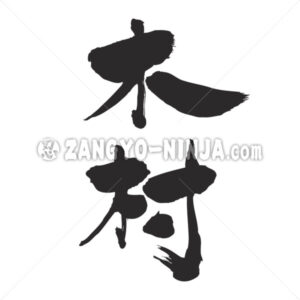

One of the Japanese first names. It’s not just about name of the manga’s character or anime. While it is not a name commonly given to modern Japanese people, it frequently appears in Japanese historical fiction such as period dramas, manga, and anime set in the past. For example, Sasuke a character for a … Read More
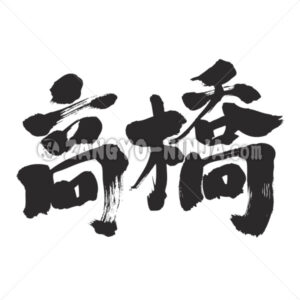
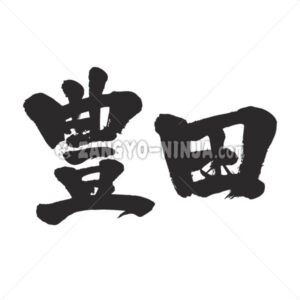
Hello, Mr. Toyoda(Toyota). This is an explanation of the origin of the surname Toyoda(Toyota), which is shared by your ancestors and friends. This kanji generally has two different readings. Since it cannot be determined from the kanji alone, you need to rely on the furigana or context in conversation to determine the correct reading. … Read More
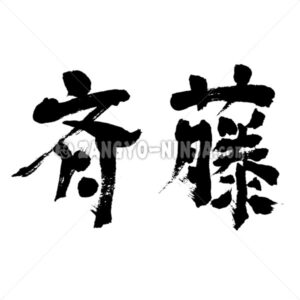
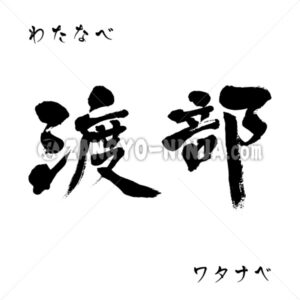
Hello, Mr. Watanabe. This is an explanation of the origin of the surname Watanabe, which is shared by your ancestors and friends. The clan traces its ancestry to Watanabe no Tsunemori (Minamoto no Tsunemori), the foremost of the Four Heavenly Kings of Yorimitsu famed for slaying demons. Its name originates from its base at … Read More