
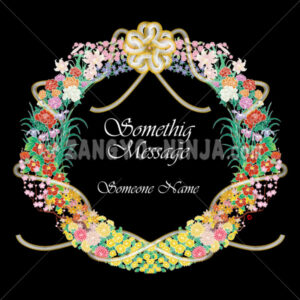
Este é o tipo original. Anteriormente, compartilhei um trabalho com um desenho de mizuhiki no estilo kemomimi, mas esta coroa de flores é uma criação original. O mizuhiki em ambos os lados permanece simétrico e inalterado, e os tipos de flores são praticamente os mesmos, com exceção do mizuhiki em formato de ameixa no centro superior, que está posicionado de forma diferente. Isto é… Leia Mais
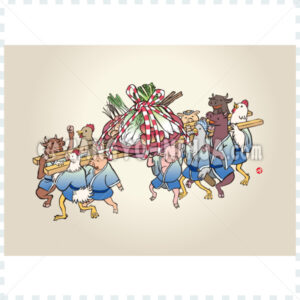
Esta é a segunda ilustração desenhada à mão. A primeira está aqui. Ela representa um festival da fertilidade. No Japão, festivais locais são realizados com frequência, principalmente no outono. É um festival para celebrar uma boa colheita, por isso acontece na época da colheita do arroz… Leia Mais
Esta obra contém um coração por idioma. Em 44 idiomas, a palavra "obrigado" é formal, educada ou mais enfática do que um agradecimento comum, tornando-se uma escolha de palavra adequada para uso com familiares, amigos e outras pessoas com quem você não tem proximidade. Kokoro é a palavra japonesa para "心" (coração), uma palavra que... Leia Mais

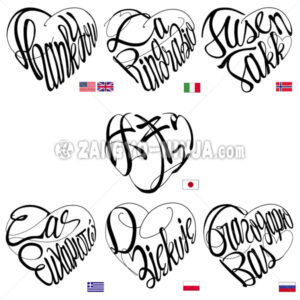
This is a typographic work that expresses the feeling of “Thank you” in the form of English, Italy, Norwegian, Polish, Greek, Russian and Japanese Katakana. The theme is “Heart of Gratitude”. The English version is styled differently The one-line style is Thank you in English. 2-line style Thank you can be found at the … Read More
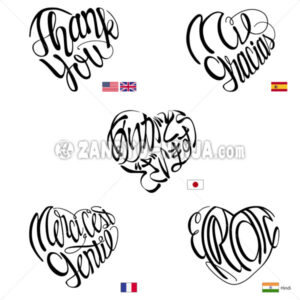
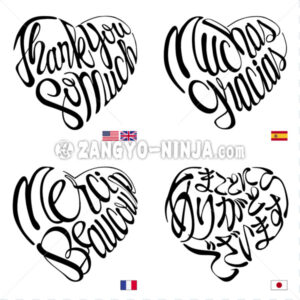
Thank you is expressed in English, Spanish, French, Indian Hindi and Japanese Hiragana as a heart-shaped writing style. And theme is “Heart of Gratitude”. It corresponds to the Japanese honorific of gratitude, “Arigatou Gozaimasu”. The basic hiragana “arigatou” is shown here, but “gozaimasu” is added after it to show respect. This is the current … Read More
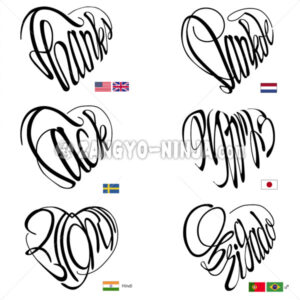
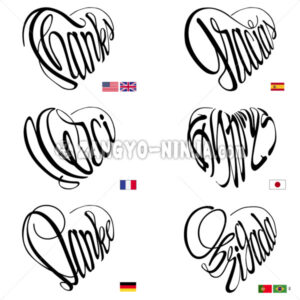
Thanks is expressed in English, Spanish, French, German, Portuguese and Japanese Hiragana as a heart-shaped writing style. And theme is “Heart of Gratitude”. The Japanese phrase “thanks” is written in a basic form. This Japanese phrase “arigatou” is the basic form of the word “thanks”. Although there are ways to write it that include … Read More
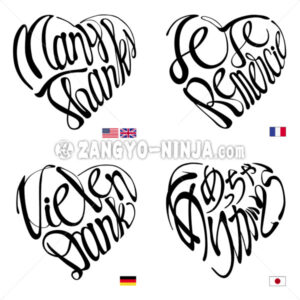
Many thanks is expressed in English, French, German, and Japanese Hiragana as a heart-shaped writing style. And theme is “Heart of Gratitude”. The Japanese phrase “many thanks” is written in a modern way In Japanese, it is “Meccha Arigatou”. This is also written entirely in hiragana. “Arigatou” is equivalent to ‘Thanks’ in English, as … Read More
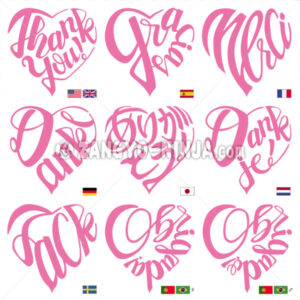
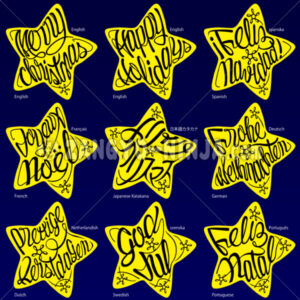
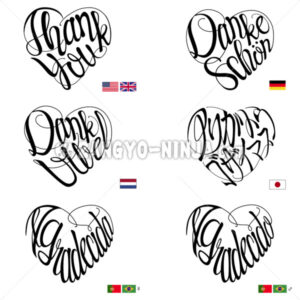
Esta é uma representação tipográfica em forma de coração da palavra "Obrigado" em inglês, espanhol, francês, alemão, hiragana japonês, holandês, sueco e português. Como o português é dividido em palavras masculinas e femininas, existem 9 tipos de designs em 8 idiomas no total. Design em forma de coração. Você já se esqueceu de agradecer quando alguém...? Leia Mais
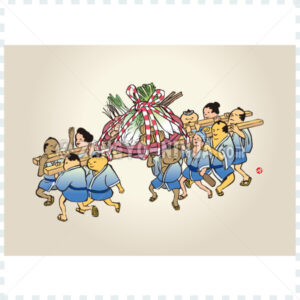
This is a contemporary illustration drawn in brushstroke style. In Japan, there are invisible dwarfs. There is a Japanese folktale about a dwarf called “Issunboushi” who exterminates demons. There is also a world fairy tale about “Seven Dwarfs” who save a princess in a castle. Where do these dwarfs come from and what do … Read More
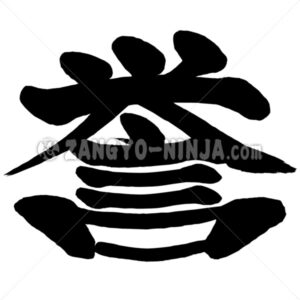
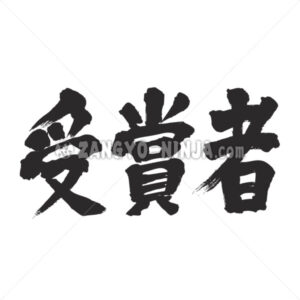
Description for Honour, Honor To feel honored when someone praises you. get a good reputation. Praise. to congratulate. An air-cooled engine for aircraft manufactured by Nakajima Aircraft and delivered to the Army and Navy during the Pacific War. It was developed as a 2000 horsepower class engine based on the Sakae engine installed in … Read More
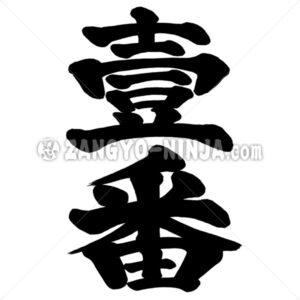
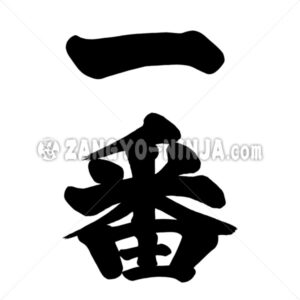
Em japonês, "top" pode ser escrito de diversas maneiras, e este é um exemplo. Pode significar o início de uma ordem ou o topo de uma ordem. Também pode ser usado para significar o mais importante, o primeiro ou o mais alto em uma ordem ou sequência. Pode ainda significar o primeiro elemento de uma série que pode ser… Leia Mais
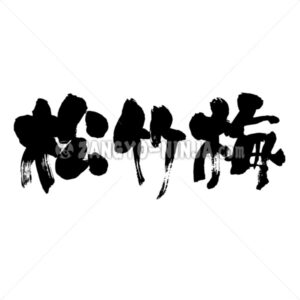
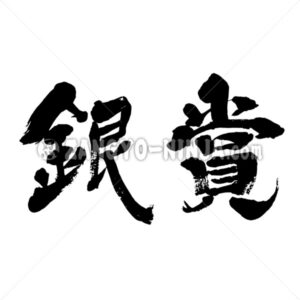
Description for Silver prize Second place in an exhibition or competition, following the gold prize. Specifically, this ranking system—where gold represents first place, silver second place, and bronze third place—is commonly used in contests and competitions.
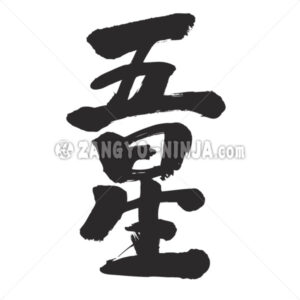
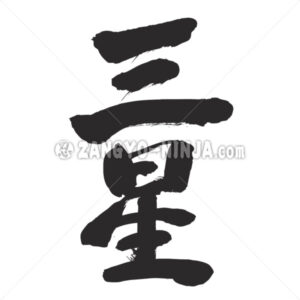
1. Three stars. Also, something like that. 2. In terms of grade and rating, evaluate on a three-point scale from one star to three stars. Or such a rating system. 3. The highest evaluation in the evaluation system that evaluates in 3 stages. Japanese calls Mitsu-boshi
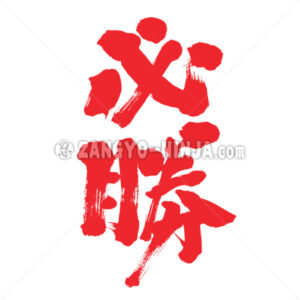
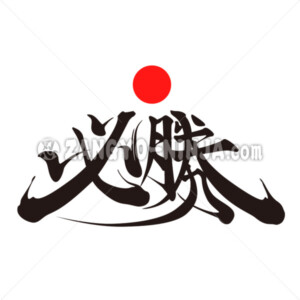
Tenha certeza de que vai ganhar. Deseje a vitória a todo custo. No Japão, é comum ver uma faixa na cabeça que simboliza a vitória ao assistir a esportes, e um torcedor japonês vibrando com uma bandeira, algo familiar para os ocidentais. Em japonês, diz-se "Hissho".