
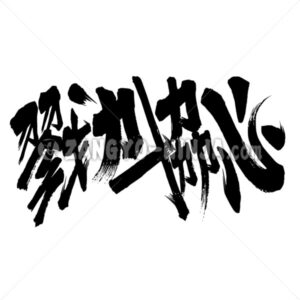
Essa expressão idiomática de quatro caracteres é usada como grito de guerra ou slogan de equipe. Ela simboliza a união de corações e a junção de forças em prol de um objetivo comum. Dividida em duas palavras, os quatro caracteres significam: “Rikuryoku” (戮力) significa unir forças. “Kyoshin” (協心) significa unir corações. Os primeiros caracteres de cada uma, “戮” e “協”, transmitem o significado de… Leia Mais

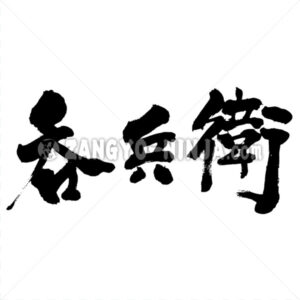
A person who loves alcohol and drinks frequently A term used to describe a person who likes to drink heavily or who drinks frequently, as if it were a person’s name. It is important to understand that this word is not a compliment, as it also carries the image of a person who drinks … Read More
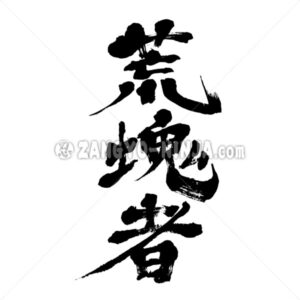
A word that describes a person’s character and predispositions in Kanji. A person who has a rough temperament and is violent in behavior. Because it is a classical expression, it is not used in modern colloquial language, but it is rarely seen in games and anime with a medieval worldview. Although this word has … Read More

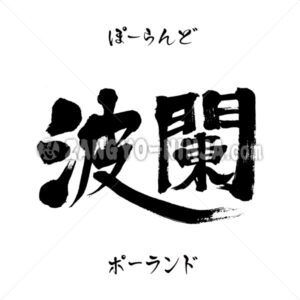
Description for Poland A republic in Central Europe. It borders the Baltic Sea and Russia (Kaliningrad Oblast) to the north, Germany to the west, the Czech Republic and Slovakia to the south, and Lithuania, Ukraine, and Belarus to the east. Its capital is Warsaw. During World War II, it was occupied by German forces. … Read More
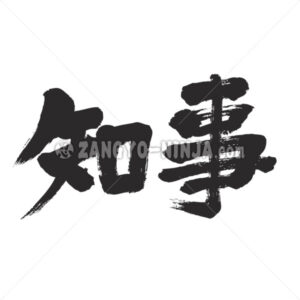
Description for governor In Japan, prefectural chiefs and executive bodies elected by direct public election. It was the first time since the prefectural system was established in 1890 that the title “governor” was uniformly applied to the heads of local bodies. Prior to that, it was used only for Tokyo, Osaka, and Kyoto prefectures. … Read More

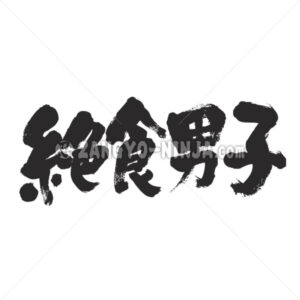
Description for Starvation boy as recent words in Japan A man who is not interested in romance. It is different from “carnivorous people (肉食系)” who aggressively approach the opposite sex and “herbivorous people (草食系)” who are interested in love even though they are late. Even if you find yourself in a situation where you … Read More
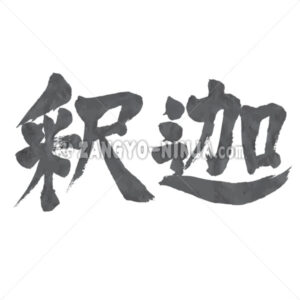
Descrição de Sakyamuni, fundador do budismo. Embora existam várias teorias sobre as datas de seu nascimento e morte, é difícil determiná-las com precisão, mas as mais populares são 565-486 a.C. e 465-386 a.C. Shakyamuni é uma transcrição do sânscrito shakya. Originalmente, era o nome de uma tribo do norte da Índia, mas... Leia Mais

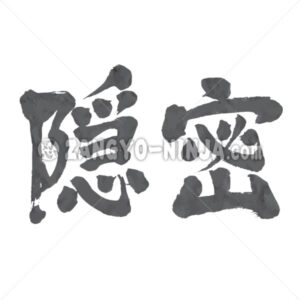
Descrição para Secretamente Um samurai de baixa patente que se dedicava à exploração sob ordens secretas de seu senhor. Termo genérico para detetives no período Edo. Também é chamado de Shinobi no mono, Ninja e espiões. Inicialmente, os membros das castas Iga e Koga eram usados para atividades secretas pelo xogunato, mas o 8º xogum, Tokugawa Yoshimune, reorganizou… Leia Mais
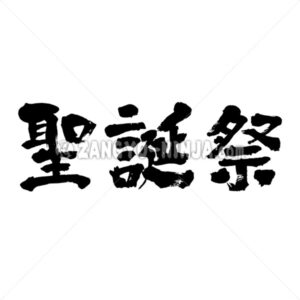
Description for Christmas, read as Seitansai in Japanese A festival to commemorate and celebrate the day of the birth of saints. The birthday of Jesus Christ is the so-called Christmas. Japanese says “Sei tan sai”.

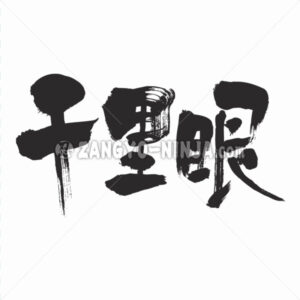
Description for clairvoyance It means eyes that can see a thousand miles, and it is also called Tengantsu, which means the ability to see distant events, the future, and the minds of others. In the past, psychic powers were also investigated in Japan. When parapsychological research was first conducted in Japan, the word clairvoyance … Read More
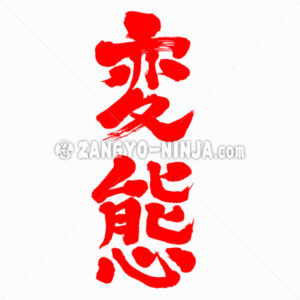
Description for Hentai A change in form, state, ecology, etc. In particular, when an insect or the like transitions from a larva to an adult, it changes its appearance and structure significantly. In plants, the roots, stems, leaves, etc., change from their original shape and take on a significantly different form. The leaves become … Read More

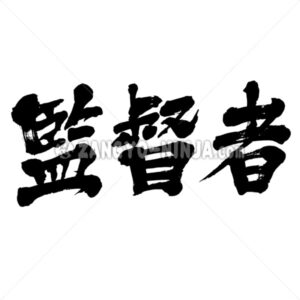
Description for Supervisor Because the role differs slightly depending on the industry, and because it is neither a job title nor an occupation, in Japan it is often treated only in terms of atmosphere. And in Japan, it is often written as “スーパーバイザー” in katakana notation. A supervisor is responsible for: A person with … Read More
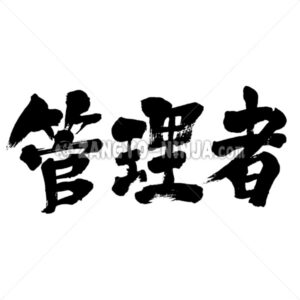
Description for Administrator In general, it refers to a person who manages, operates and manages facilities and organizations, or such an organization. In Japan, there are various jobs just for managers. a caretaker for an apartment house. A person who manages the facilities, hygiene, and security of real estate. A person who oversees, takes … Read More

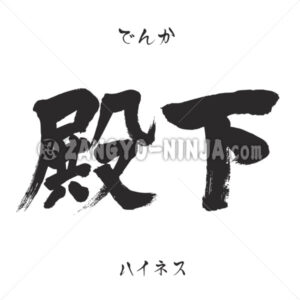
Description for Highness Honorific title for feudal lords and nobles. Honorific for the Crown Prince, Imperial Family, etc. Used for the Crown Prince, Crown Princess, Grand Prince, Grand Princess, Prince, Princess, Inner Princess, King, Queen, etc. Honorific for regents, kanpaku, and shoguns. Beneath the palace. Below the steps (kizahashi) of palaces or halls. Explanation … Read More
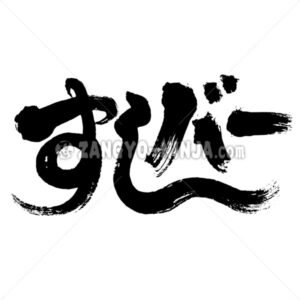
Description for Sushi bar A restaurant where you can eat sushi made by sushi chefs. In general, conveyor belt sushi does not belong to this category, and the style offered face-to-face with sushi chefs corresponds to this. Even face-to-face, the price range varies from reasonable to high-class, and the common thing is to serve … Read More

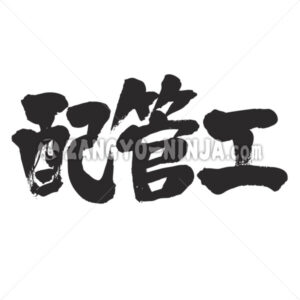
Description for Plumber The video game Super Mario Brothers are plumbers. One of the occupations (work types) in the construction industry, which is the work type for attaching pipes (steel pipes, PVC pipes, etc.) such as water pipes and gas pipes. It is mainly required in the field of building equipment such as water … Read More
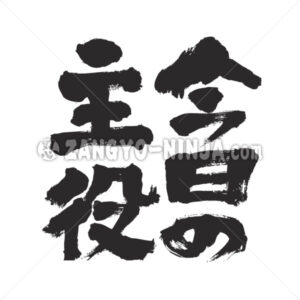
Descrição para Estrela do Dia: Em eventos e celebrações, é uma expressão usada para se referir ao herói ou figura principal do dia. É eficaz quando se deseja animar o ambiente, sendo utilizada em premiações, aniversários, etc., ou quando se quer agradecer à pessoa mais importante. Em japonês, chama-se “Kyo no… Leia Mais

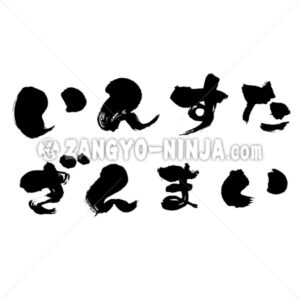
Description for Instagram indulgence There are various SNS such as youtube, twitter, and tiktok in the world, but among them, people who only post and view Instagram. It looks fun too. This is horizontal hiragana writing. The first line is Instagram. The second line reads Zanmai, which looks fun and has the meaning of … Read More
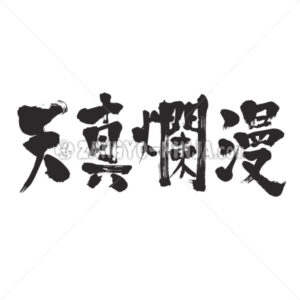
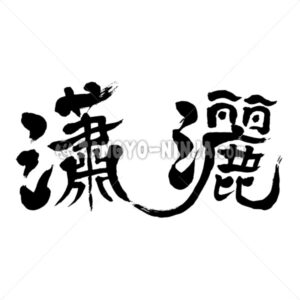
Explanation of simple and innocent An expression that means innocent and unpretentious. The innocent “天真” means the nature of nature. “爛漫” means shining. The origin of the word is said to be the expression originally used to describe a flower painting as a “no-frills fine work”. Basically, it is used as a compliment with … Read More


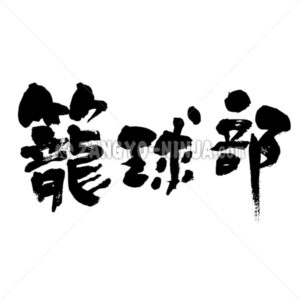
Club activities to play basketball. It mainly refers to friends who play the same basketball at schools, clubs, and communities. Even in athletics, where there are many individual sports, if it is a group, it is called with a “Bu”. Japanese calls “Ro kyu Bu”.

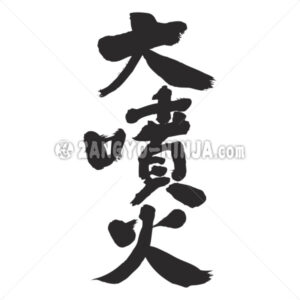
1. É um fenômeno no qual o magma e as rochas do interior da Terra são ejetados de um vulcão para o solo com relativa rapidez. É uma das atividades vulcânicas e, devido à natureza do magma, representa uma tosse comparativamente grande em larga escala. 2. Expressão de raiva. A raiva é mais forte do que… Leia Mais
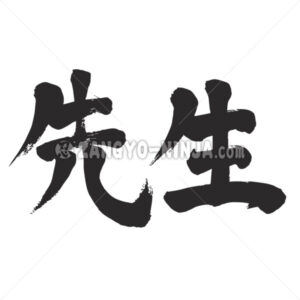
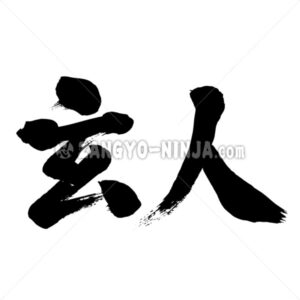
1. A person who teaches academics, techniques, and entertainment. Especially school teachers. Also, the person who is being taught. 2. A word that respects academic people such as Pastor, Master, Doctors, and Deputies, and people in leadership positions. 3. Calling others, including friendliness and teasing. 4. A person who was born before me. Japanese … Read More

Description for professional A person who is proficient in arts and crafts. A person who specializes in one thing. Women in the restaurant, bar, or nightclub business, such as geisha and hostess. Its said “Kurou to” and “Kuro to”, in Japanese.
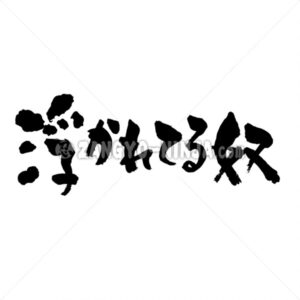
Someone who is cheerful. A person who is happy and excited. Someone who is fascinated by the fun. Japanese says “U ka re te i ru yatsu”.

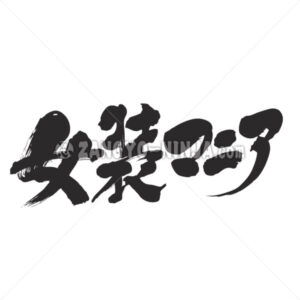
Crossdressing generally refers to men wearing women’s clothing (including make-up and hairstyles). In this case, it refers to a person who is good at dressing up as a woman and is absorbed in it. Japanese calls Jo-so-ma-ni-a.
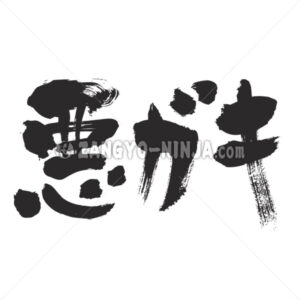
A child who likes idiots. A derogatory term for children who like idiots. Kids who don’t get sweets on Halloween day. Japanese calls Waru-ga-ki.

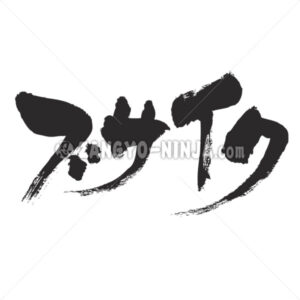
It refers to the appearance and appearance of ugliness and inferiority. Originally, he said that the work (crafts) was poor. In turn, it refers to things that are generally unsightly or unfavorable. In addition to that, it is also included in slander. Japanese said “Busaiku” in Katakana.
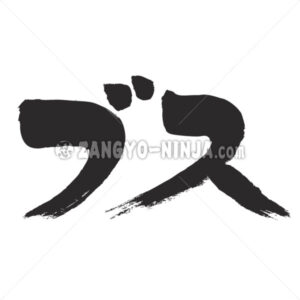
A derogatory Japanese slang term that refers to inferior appearance and impression. Ugly woman’s face. Also that woman. The word to curse a woman. Japanese said “Busu” in Katakana. There is a theory about the etymology, but it is said to be an “Shujo” “Shikome”. Also, the root of aconite is called “bushi”, which … Read More

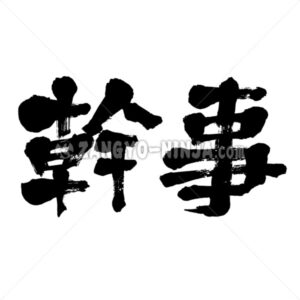
1. To play a central role in the business of associations and organizations. Also, the person in that role. 2. Caretaker for meetings, gatherings, banquets, etc. Japanese said “Kanji”.
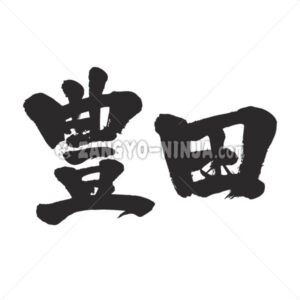
Hello, Mr. Toyoda(Toyota). This is an explanation of the origin of the surname Toyoda(Toyota), which is shared by your ancestors and friends. This kanji generally has two different readings. Since it cannot be determined from the kanji alone, you need to rely on the furigana or context in conversation to determine the correct reading. … Read More

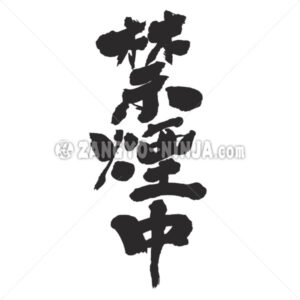
While smoking is banned. Someone who tries not to smoke. If you smoke while quitting smoking, don’t give up and try again. If you don’t give up, it’s not a failure, it’s a step towards success. Japanese says “Kin en chu”.