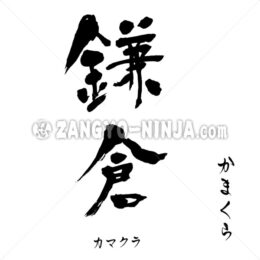
Kamakura in Kanji, Katakana and Hiragana [in Stock]

|

The most representative example is Kamakura in Kanagawa Prefecture. Kamakura is the location in Kamakura City, Kanagawa Prefecture, where Minamoto no Yoritomo established the Kamakura Shogunate, the center of Japan’s first samurai government. The number of tourists visiting Kamakura exceeds approximately 20 million annually. It is a temple and shrine tourist destination on par … Read More

vetor
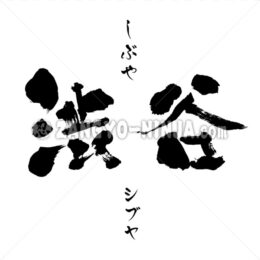
Shibuya in Kanji, Katakana and Hiragana [in Stock]

|

Shibuya exists both as a place name and as a surname. Shibuya as a place name (Tokyo) A ward located in the southwest of Tokyo’s 23 wards. In 1932 (Showa 7), the three towns of Shibuya, Sendagaya, and Yoyohata in Toyotama District merged to form Shibuya Ward. Regarding the station itself, in March 2013, … Read More

vetor
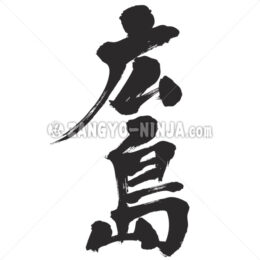
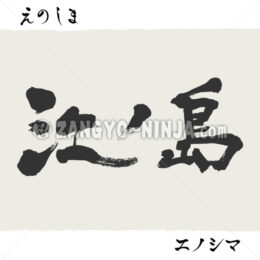
Enoshima in Kanji, Katakana and Hiragana [in Stock]

|

What is Enoshima? An island located in the northeastern part of Sagami Bay in Kanagawa Prefecture. It is connected to Katase on the opposite shore by the Benten Bridge and Enoshima Bridge, and is home to Enoshima Shrine (Enoshima Benten), which has been a place of deep religious devotion since the Kamakura period. The … Read More

vetor
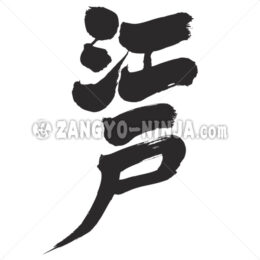
Relógio BK japonês com numerais Kanji antigos escovados e detalhes arredondados

| |

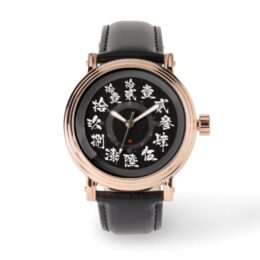
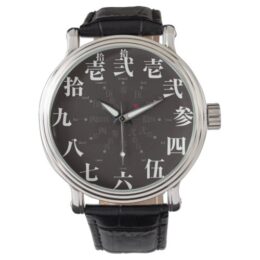
Japan brushed difficult old Kanji numeral with rounds (black face) Watch Did you know? Even in ancient times, these Kanji numerals weren’t used on clocks. Kanji numerals existed in the past and still exist today. This is a fact based on historical records. However, there is no record of them ever being used on … Read More

Relógio japonês com numerais Kanji escovados e ponteiros redondos pretos

| |

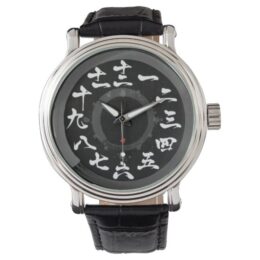
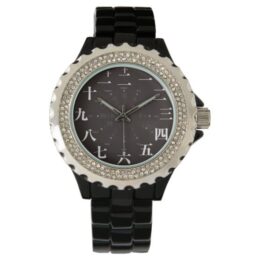
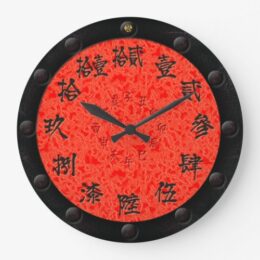
This watch is made of black Japanese paper with Kanji character written within a double circle. All stains within the inner circle indicate the position of the minute hand. Because the background texture is Japanese paper, the text is blotchy in places, making atmosphere more important than functionality. Did you know? Even in ancient … Read More

Relógio com numerais Kanji japoneses no estilo MANGA (BK Tipo 2)

| |

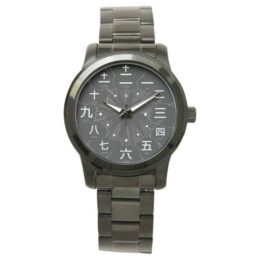
MANGA tornou-se uma palavra mundialmente famosa. Este relógio de pulso possui um mostrador com numerais chineses no estilo mangá. É mais casual do que este relógio com numerais Kanji. É ideal não só para fãs de mangá, mas também para quem estuda japonês ou tem amigos japoneses. Destaque-se com este… Leia Mais

Relógio WH com numerais Kanji japoneses e estilo MANGA

| |

Did you know? Even in ancient times, these Kanji numerals weren’t used on clocks. Kanji numerals existed in the past and still exist today. This is a fact based on historical records. However, there is no record of them ever being used on clocks. During the Warring States and Edo periods featuring samurai and … Read More

Relógio de pulso japonês antigo com numerais kanji (mostrador preto)

| |

Relógio de pulso japonês antigo em estilo kanji [mostrador preto] Possui um mostrador com numerais kanji antigos. Os símbolos de pronúncia estão listados. O número que representa os minutos também está escrito em kanji no centro. Mesmo no Japão, existem pouquíssimos relógios de pulso com numerais kanji, tornando-o um item raro. Além disso… Leia Mais

Relógio de pulso japonês com numerais kanji (mostrador preto)

| |

Relógio de pulso japonês estilo kanji [mostrador preto] É um relógio com mostrador em caracteres kanji. Os símbolos de pronúncia estão listados. O mostrador apresenta numerais kanji japoneses, comumente usados ​​no Japão. O número que representa os minutos também está escrito em kanji no centro. Mesmo no Japão, existem pouquíssimos relógios de pulso com numerais kanji, então este é um item especial… Leia Mais

Secretly in Kanji [in Stock]

|

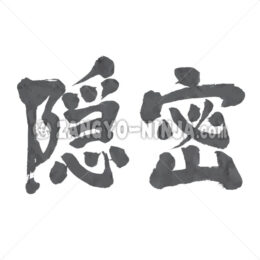
Descrição para Secretamente Um samurai de baixa patente que se dedicava à exploração sob ordens secretas de seu senhor. Termo genérico para detetives no período Edo. Também é chamado de Shinobi no mono, Ninja e espiões. Inicialmente, os membros das castas Iga e Koga eram usados ​​para atividades secretas pelo xogunato, mas o 8º xogum, Tokugawa Yoshimune, reorganizou… Leia Mais

vetor

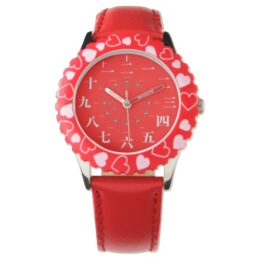
Relógio japonês com numerais Kanji (mostrador vermelho)

| |

Did you know? Even in ancient times, these Kanji numerals weren’t used on clocks. Kanji numerals existed in the past and still exist today. This is a fact based on historical records. However, there is no record of them ever being used on clocks. During the Warring States and Edo periods featuring samurai and … Read More

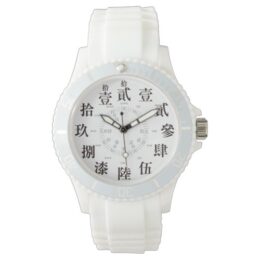
Japan old complex kanji style (white face) watch

| |

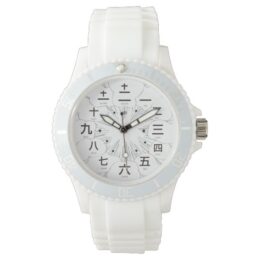
It is a dial of an old difficult and complex Kanji numeral. Pronunciation symbols are listed. The number representing the minute is also written in kanji in the center. Even in Japan, there are very few wristwatches with Kanji numerals, so it is a rare item. In addition to the watch in this image, … Read More

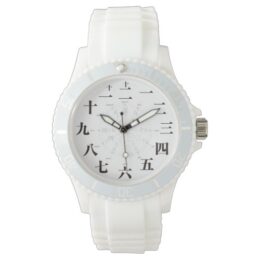
Relógio de pulso estilo numerais kanji japoneses (mostrador branco)

| |

É um relógio com mostrador em caracteres Kanji. Os símbolos de pronúncia estão listados. O mostrador apresenta numerais Kanji japoneses, comumente usados ​​no Japão. O número que representa os minutos também está escrito em Kanji no centro. Mesmo no Japão, existem pouquíssimos relógios de pulso com numerais Kanji, tornando-o um item raro. Kanji japonês… Leia Mais

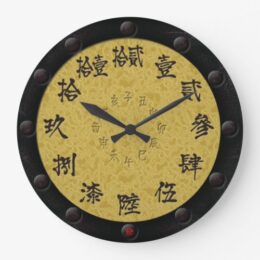
Lua dourada – Numerais Kanji antigos e complexos e números como armadura Yoroi Relógio

| |

São números antigos e complexos escritos à mão em kanji japonês. E o kanji do zodíaco está escrito na parte interna. É uma obra feita sobre um desenho que lembra uma armadura dourada desgastada (Yoroi de samurai). Foi Aokimono quem usou os números como referência e colaborou. Lua dourada – Números antigos e complexos em kanji como… Leia Mais

SOL VERMELHO – Numerais Kanji antigos e complexos e números como armadura Yoroi Relógio

| |

Sol Vermelho – Números antigos e complexos em Kanji, como um grande relógio Yoroi. São números antigos e difíceis escritos à mão em Kanji japonês. E os Kanji do zodíaco estão escritos na parte interna. É uma obra escrita sobre um desenho que lembra uma armadura vermelha desgastada (Yoroi de samurai). Foi “Aokimono” quem usou os números como… Leia Mais

Date in Kanji, Katakana and Hiragana [in Stock]

|

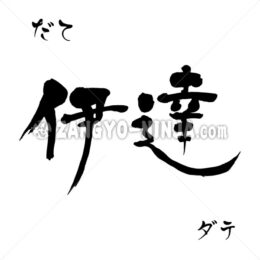
This is not about the date indicating a specific time and date, but rather an explanation of the Japanese word “Date.” The meaning of this word as “Date” To flaunt one’s spirit or chivalry. Also, the manner of doing so. To wear flashy clothing or behave ostentatiously to attract attention. To put on airs. … Read More

vetor
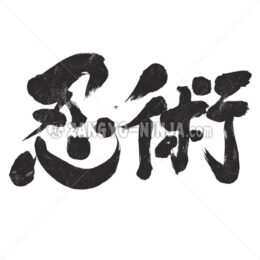
Kendo in Kanji [in Stock]

|

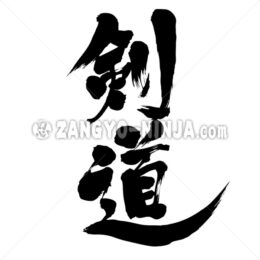
A type of martial arts where competitors wearing armor face each other and compete for victory or defeat by hitting the part specified by bamboo swords. In the Edo period, it became a samurai table art, and further merged with Bushido to have a spiritual content, but entered the Meiji period and declined with … Read More

vetor
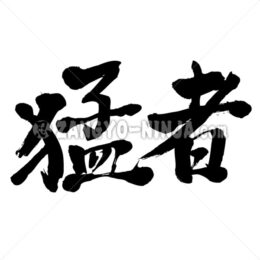
Zen in Kanji [in Stock]

|

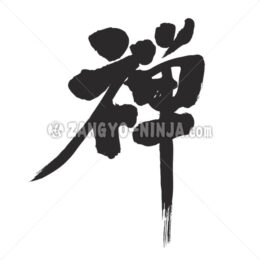
Originário da China por volta do século VII, o Zen originalmente se referia aos ensinamentos e práticas da seita Zen, um ramo do budismo que se desenvolveu no Japão, mas hoje é conhecido como uma filosofia relacionada à meditação e à atenção plena. História do Zen Zen é um termo que se refere aos ensinamentos e à filosofia de… Leia Mais

vetor

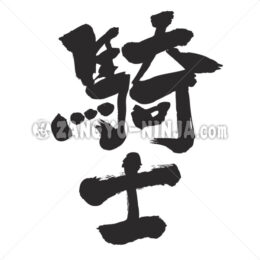
knight in Kanji [in Stock]

|

About real knights A knight refers to a social class in medieval Europe that was obligated to fight as cavalry in exchange for guaranteed control of manors. In modern times, cavalry itself disappeared, and knighthood became a title of nobility or a mere honorary position. Etymologically, the English word “knight” derives from the Old … Read More

vetor
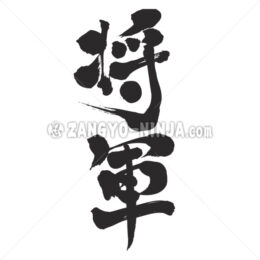
Shogun in Kanji [in Stock]

|

Estes são kanji escritos verticalmente. Os significados são geralmente divididos em duas categorias principais: 1. Uma pessoa encarregada de liderar ou comandar um exército. Este é um dos cargos e títulos oficiais para comandar um grande exército. Há muito tempo é um dos títulos de comandantes militares no Leste Asiático. O … Leia Mais

vetor

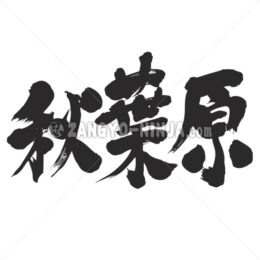
Akihabara in Kanji [in Stock]

|

Description for Akihabara town Akihabara is an area name that refers to the area around JR Akihabara Station in Chiyoda-ku, Tokyo. It is known as one of the largest electric towns in Japan. History and etymology of Akihabara (Akiba) During the Edo period, it was the area where lower samurai lived. As it was … Read More

vetor
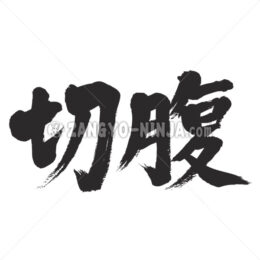
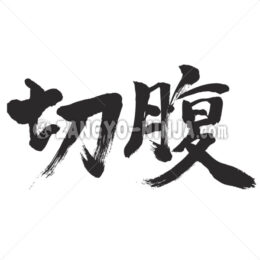
Harakiri in Kanji [in Stock]

|

Description for Harakiri (read as Seppuku) 1. Use your own sword to cut your stomach and die. 2. One of the punishments imposed on samurai during the Edo period. The lightest of the death penalty. In front of the autopsy, a kaishakunin shot down his neck from behind as he cut his belly. Japan … Read More

vetor
Hiroshima in Kanji [in Stock]

|

Description for Hiroshima Abbreviation for Hiroshima Prefecture or its prefectural capital, Hiroshima City. History of Hiroshima City During the Edo period, Hiroshima developed as a castle town of the Asano clan with an income of 426,500 koku. Since the Meiji period, it has had a strong character as a military city, and during the … Read More

vetor
Edo in Kanji [in Stock]

|

Description for period of Edo in Japan The predecessor of Tokyo, now one of the largest cities in the world and the center of Japan’s politics, economy, and culture, was Edo. Edo was the seat of the Tokugawa clan for 279 years, from 1590 to 1868, and was the political center of the Edo … Read More

vetor

Ninjutsu wrote horizontally in Kanji [in Stock]

|

Técnicas especiais utilizadas na estratégia militar durante a era samurai. Essas técnicas eram empregadas para fins como espionagem, coleta de informações, conspiração e assassinato, e envolviam disfarces, invisibilidade e artimanhas para explorar as fraquezas das pessoas e agir com ousadia e rapidez. As origens dessas técnicas podem ser encontradas na obra "A Arte da Magia", de Sun Tzu, na China… Leia Mais

vetor

tough guy in Kanji [in Stock]

|

The kanji character “猛者” can be roughly translated as “tough guy”. ‘猛者’ is read as “mosa”. “mosa” refers to a person of exceptional strength and ability. It denotes not only physical strength but also experience, skill, and mental fortitude. In the Warring States period, it referred to brave samurai and soldiers who distinguished themselves … Read More

harakiri in Kanji [in Stock]

|

Ritual suicide by self-disembowelment on a sword. A form of ritual suicide by disembowelment using a blade, practiced by Japanese samurai, especially to rid oneself of shame, as a means of protest or, formerly, as a method of capital punishment. Japanese says Seppuku.

vetor

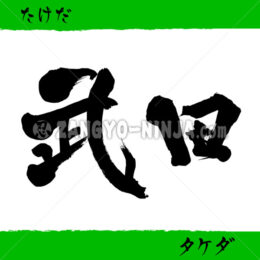
Takeda in Kanji, Hiragana and Katakana [in Stock]

|

The surname of a warlord who ruled the area around present-day Yamanashi Prefecture during the Warring States period. A renowned general known as the “Tiger of Kai.” Takeda Shingen was the surname of a warlord who governed Kai Province (present-day Yamanashi Prefecture) during the Warring States period (1467–1615). Not only for his military prowess, … Read More

vetor

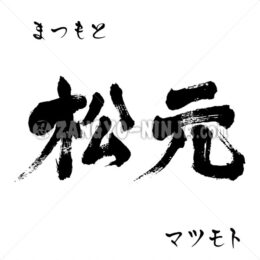
Matsumoto in Kanji, Katakana and Hiragana [in Stock]

|

This surname is commonly found in western Japan, particularly prevalent from the Kinki region to Kyushu. It likely originates from place names There were places named Matsumoto in various areas of Kagoshima and Miyazaki Prefectures, such as Ichinari Matsumoto in Kagoshima Prefecture’s Kagoshima City, Kiboku Town. Records also indicate samurai bearing the Matsumoto surname … Read More

vetor

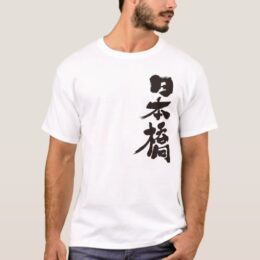
[Kanji] Nihonbashi T-Shirt

| |

[Kanji] Nihonbashi T-Shirt Nihonbashi as a wide-area place name refers to the entire former Nihonbashi Ward in the northern part of Chuo Ward, Tokyo. Since the Edo period, Yamate has been lined with samurai residences, but it has been a representative area of ​​the underground shopping center of the townspeople’s culture.

1 2 3 4 5