Home » 4character idioms » New years 25 congratulations and greetings

¡Felicitaciones y saludos por el Año Nuevo 25!

creado por diseñador

$0.00$1,490.00

600x600
$0.00
1920x1920
$4.80
6000x6000
$9.80
Lleno
$19.80
Lleno
$980.00
Lleno
$1,490.00

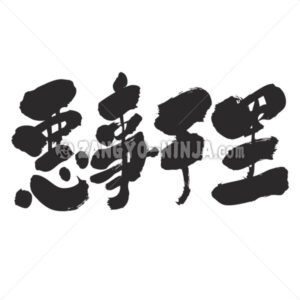
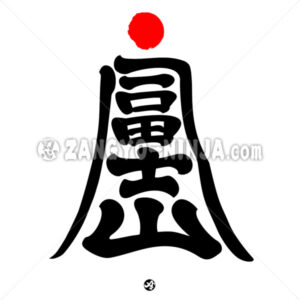
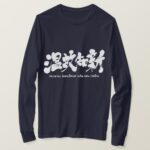
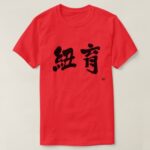
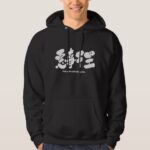
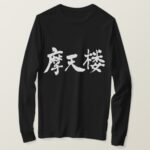
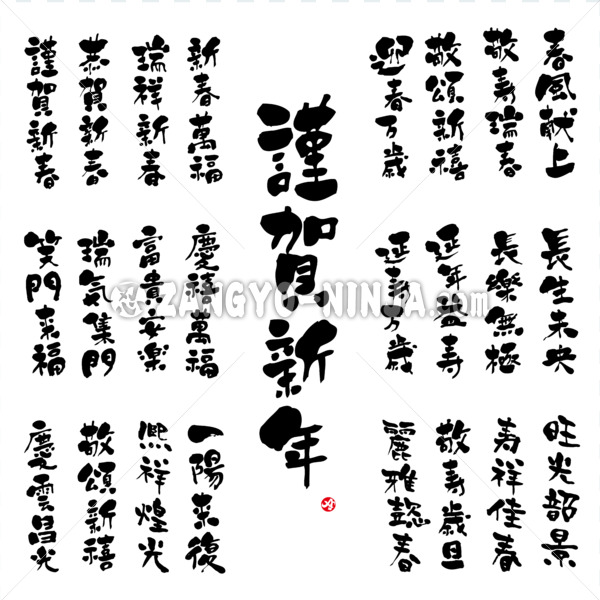
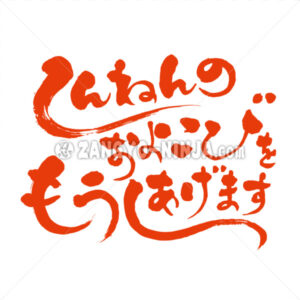
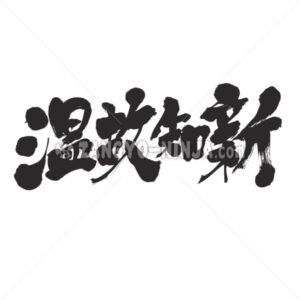
Handwritten and designed greetings for 25 types of New Year’s cards in Kanji.
There are 2- and 4-character New Year’s greetings, which are words that are also used as 4-character phrases. (Some of them are not idioms and are not found in dictionaries.)
Four-letter New Year’s greeting cards are considered to be used not only for friends and acquaintances, but also for superiors and those who are indebted to you in terms of New Year’s greeting card etiquette. Therefore, it can be used for both older and younger people.

What is the most used New Year’s greeting in the world?

The large 4-character New Year’s greeting in the center is the most used greeting in Japan and is read in Japanese as “Kinga Shinnen”. It means “I wish you a happy and prosperous new year”.
In other words, it is no exaggeration to say that it is the most used new Year’s greeting in the world.

What 25-word is used in the character “Spring (Haru)” in the Japanese language?

Why is it that the New Year is still cold in Japan and snow is falling even in Tokyo?
It is assumed that this is a remnant of the fact that the New Year was divided by the lunar calendar rather than the western calendar before the Meiji Era. The lunar calendar in Japan generally divided the New Year at Setsubun, the beginning of February in the western calendar, and February marks the end of the cold winter. As the seasons are also called “spring, summer, autumn, and winter,” the beginning of a new season is “spring”.
This is probably why “spring” is also used in the New Year’s greetings.
Detalles técnicos AI Vector, 564.03 KB
, , , , , , , , , , , , , ,

People also views for about New

   
Monte Fuji - Zangyo-Ninja

Monte Fuji

El monte Fuji es la montaña más alta de Japón. La más alta [...]
vector
GRATIS~ Ver detalles

Obras recomendadas por el creador aokimono

Abel y Aibel en Kanji con escudo (fuente Maru-yose) - Zangyo-Ninja

Abel y Aibel en kanji con escudo (fuente Maru-yose)

Ambos son “abel” y “aibel”. Estas obras son fonéticas [...]
vector
GRATIS~ Ver detalles
iCe en bicaligrafía como diseño tradicional japonés - Zangyo-Ninja

iCe en bicaligrafía como diseño tradicional japonés

Descripción iCe y Natsugori(夏氷) Este diseño es un diseño [...]
vector
GRATIS~ Ver detalles
Excelente en inglés e hiragana - Zangyo-Ninja

Excelente en inglés e hiragana

Esta es una obra en la que la palabra hiragana “すげー” y [...]
vector
GRATIS~ Ver detalles
vivo en inglés, kanji e hiragana - Zangyo-Ninja

vivo en inglés, kanji e hiragana

Esta es una caligrafía escrita utilizando un método llamado [...]
vector
GRATIS~ Ver detalles
Belleza en inglés, kanji e hiragana - Zangyo-Ninja

belleza en inglés, kanji e hiragana

Esta es una obra en la que la palabra japonesa “美し [...]
vector
GRATIS~ Ver detalles
Foto de avatar
17

aokimono

El tema central de mi vida es el Japón alternativo. Esta letra A es el símbolo actual del Aokimono. Se asemeja a la primera letra de los 51 caracteres hiragana, "あ". Además, "A" es la primera letra del alfabeto. Es uno de los estilos alternativos del Japón, llamado "Bicaligrafía", en el que escribo japonés en inglés e inglés en japonés.

Las personas que son alegres como tú también están mirando