
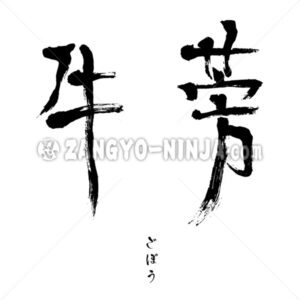
Bardana en kanji e hiragana, leída como gobo en japonés - Zangyo-Ninja

No es la raíz de un árbol. ¿Qué es la bardana? Es una planta bienal de la familia Asteraceae. Se consume principalmente por su raíz larga y alargada, y es una verdura exclusivamente japonesa que rara vez se usa fuera de Japón. Parece la raíz de un árbol. Sin embargo, investigaciones recientes han revelado varias cosas. No es muy nutritiva, pero es rica en… Leer más

vector
no clasificado $0.00$1,490.00 Seleccionar licencia
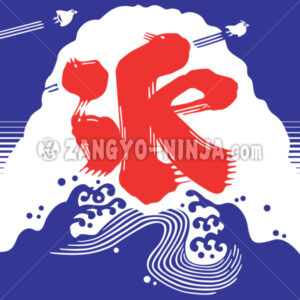
iCe en bicaligrafía como diseño tradicional japonés - Zangyo-Ninja

Descripción iCe y Natsugori (夏氷) Este diseño es una interpretación artística del motivo tradicional japonés conocido como “Natsugori” (夏氷). Cuando llega el verano a Japón, las tiendas cuelgan estas banderas para anunciar: “¡Vendemos hielo raspado!”. La palabra “ice” escrita en rojo en el centro es en realidad el carácter japonés para “hielo” (氷), representado en bicaligrafía japonesa… Leer más
vector
no clasificado $0.00$1,490.00 Seleccionar licencia
Vino en Kanji, Hiragana y Katakana como uvas - Zangyo-Ninja

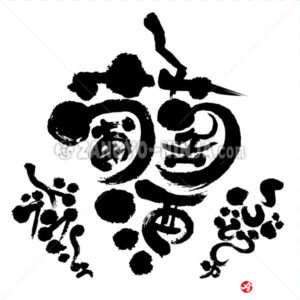
Wine is made from grapes. The shape of the grape is expressed through calligraphy. All of them read “Budoshu” and refer to grape wine, or wine in Japan. In this typographic work, the left side is written in Katakana, the center in kanji, and the right side in Hiragana, with wine written with a … Read More

vector
no clasificado $0.00$1,490.00 Seleccionar licencia

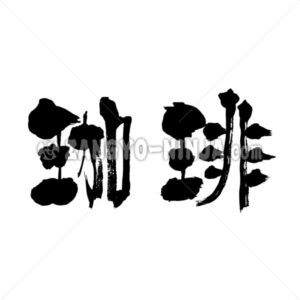
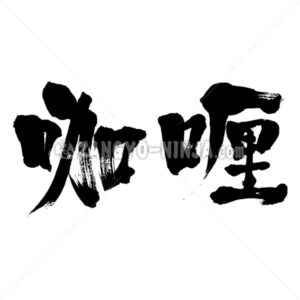
It is one of the most popular beverages in the world. It has a distinctive aroma and pleasant bitterness. Because it contains caffeine, it has a stimulant effect on the nerves. Coffee was first used as a beverage around the 6th century. Initially, coffee was popular among Arabian Muslims as a medicine to improve … Read More
vector
no clasificado $0.00$1,490.00 Seleccionar licencia
Cúrcuma en Kanji - Zangyo-Ninja

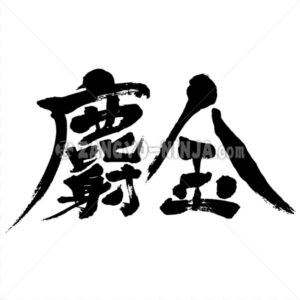
La cúrcuma pertenece a la familia del jengibre. Se caracteriza por su fragancia, amargor y color dorado, y se utiliza secando sus raíces y tallos. Además de usarse como especia en el curry, se emplea ampliamente como tinte para telas, mostaza, queso y otros alimentos. La cúrcuma es apreciada en todo el mundo… Leer más

vector
no clasificado $0.00$1,490.00 Seleccionar licencia
Bento en kanji como forma de carácter antiguo - Zangyo-Ninja

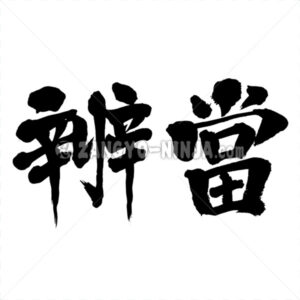
Generalmente, se trata de una comida portátil que consiste en arroz y guarniciones en un recipiente, como una caja. En algunos casos, no se utiliza arroz, como en los sándwiches y los espaguetis. Historia del Bento: Período Heian – Kamakura. El concepto de bento para toda comida portátil se remonta al período Heian (794-1185). … Leer más

vector
no clasificado $0.00$1,490.00 Seleccionar licencia
Curry en kanji - Zangyo-Ninja

El curry se encuentra fácilmente en cualquier restaurante y se ha convertido en un plato nacional en Japón. El país donde nació el curry Cuando la mayoría de la gente escucha la frase "cuna del curry", probablemente piensa en la India. De hecho, la India es el lugar de nacimiento del plato que hoy conocemos como curry. Sin embargo, el curry no… Leer más

vector
no clasificado $0.00$1,490.00 Seleccionar licencia
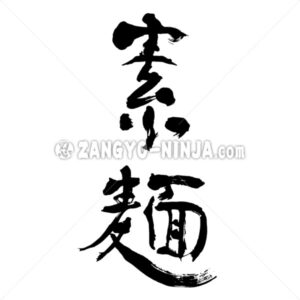
Somen en kanji - Zangyo-Ninja

Descripción de Somen como fideos japoneses: Fideos finos secos hechos de harina de trigo. El nombre original era 'Sakumen', pero parece que el carácter de 'Saku' se escribió con el carácter 'Sakumen' roto, y la ortografía errónea de 'Somen' se convirtió en el nombre. Aunque proviene de China, se cree que fue en… Leer más

vector
no clasificado $0.00$1,490.00 Seleccionar licencia
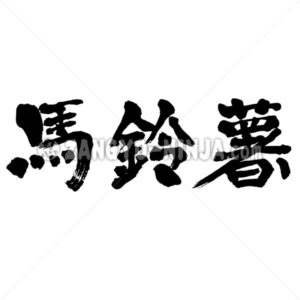
Patata en kanji - Zangyo-Ninja

Descripción de la patata como alimento En Japón, se la conoce comúnmente como Jagaimo, y como se puede ver en esta imagen, también se la conoce como Bareisho, nombre que, según se dice, proviene de su forma que recuerda a una campana que lleva un caballo. Origen y propagación Cultivo perenne de la familia Solanaceae… Leer más
vector
no clasificado $0.00$1,490.00 Seleccionar licencia
salmón en kanji - Zangyo-Ninja

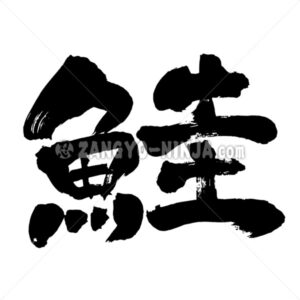
Salmonid fish. It reaches a total length of about 1 meter. The body is a slightly elongated spindle shape. There is a greasy fin. The body color is blue-gray on the back and silvery white on the abdomen, but during the breeding season, the dorsal and lateral parts of the body turn dark green-brown, … Read More

vector
no clasificado $0.00$1,490.00 Seleccionar licencia
asado a la parrilla de carbón en kanji - Zangyo-Ninja

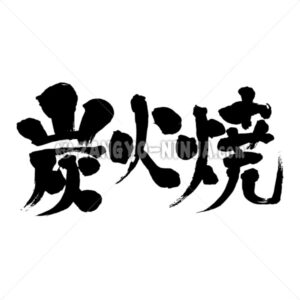
Un plato en el que los ingredientes se asan a la parrilla sobre una llama abierta utilizando carbón vegetal como combustible. El carbón vegetal emite rayos infrarrojos lejanos cuatro veces más que el gas, y el calor radiante quema directamente los ingredientes. En el caso del gas que contiene hidrógeno, genera vapor de agua. El carbón vegetal, por otro lado… Leer más

vector
no clasificado $0.00$1,490.00 Seleccionar licencia
corn in Kanji - Zangyo-Ninja

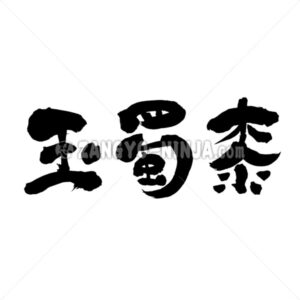
An annual grass of the Gramineae family. The grains are cultivated for food and industrial raw materials, and for the entire above-ground part as feed. The stem is upright and 1 to 4 meters high. Most of the nodes are 14 to 16, and there is almost no branching. Fresh, frozen (whole form, cut … Read More

vector
no clasificado $0.00$1,490.00 Seleccionar licencia
unrefined sake in Hiragana - Zangyo-Ninja

It is sake made by self-brewing, and it is basically a violation of the Sake Tax Law under current Japanese law. However, it is good for sake brewers to make this, and it is allowed at certain times. It is a state of sake that has been fermented like sake and has been brewed … Read More
vector
no clasificado $0.00$1,490.00 Seleccionar licencia
flavor of native dishes in Kanji and Hiragana - Zangyo-Ninja

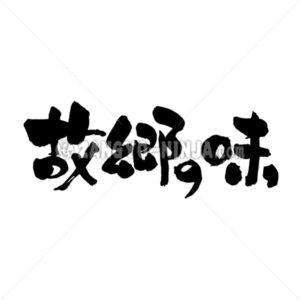
In summary, dishes made with ingredients such as preserved foods, fermented foods, and seasonings that people have thought about in the process of living in the area and forming the area. Japanese said “Furu sato no aji” and “Ko kyo no aji” in Japanese Kanji and Hiragana.

vector
no clasificado $0.00$1,490.00 Seleccionar licencia

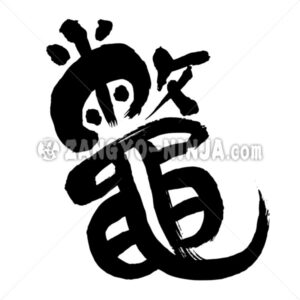
A type of turtle that lives in rivers, lakes, and swamps. It inhabits rivers throughout Japan, except Hokkaido, the Korean Peninsula, China, and the eastern Indochina Peninsula. It has a soft, flat shell about 20-40cm in length. The edible history is old, and it is said that there was even a government office that … Read More
vector
no clasificado $0.00$1,490.00 Seleccionar licencia
salmon and vegetable stew with miso and butter hotpod in Kanji - Zangyo-Ninja

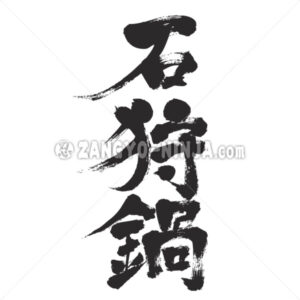
This is a Japanese hot pot dish made with crab as a main ingredient and miso seasoned, and is a local dish of Hokkaido. Often confused with Sanpei soup using salted salmon, Ishikari Nabe uses raw salmon that is made with miso and is not salted. Japanese says “Ishi kari nabe”.

vector
no clasificado $0.00$1,490.00 Seleccionar licencia
Hamburguesas al estilo japonés en kanji y katakana - Zangyo-Ninja

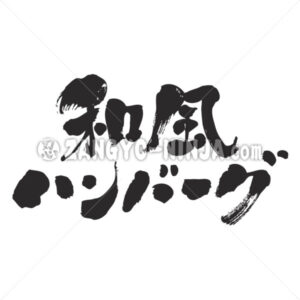
This dish is a hamburger steak with a Japanese-style seasoning. It is characterized by being simmered in a sauce made from soy sauce, mirin, and grated ginger, and topped with grated daikon radish and green onions. What is a Japanese-style hamburger? A Japanese-style hamburger is a dish that was created as a fusion of … Read More
vector
no clasificado $0.00$1,490.00 Seleccionar licencia
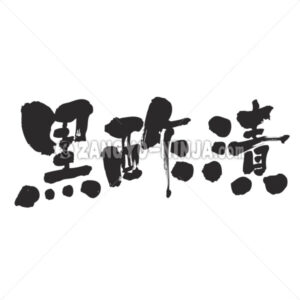
Black vinegar pickles in Kanji - Zangyo-Ninja

Food soaked in black vinegar for several hours to several days. There are few foods on the market because there are many recipes for pickling homemade vegetables. Japan call “Kuro zu zuke”.

vector
no clasificado $0.00$1,490.00 Seleccionar licencia
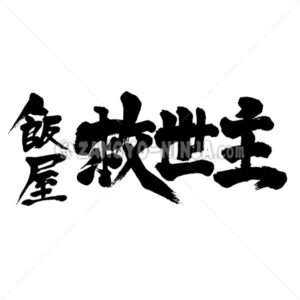
Restaurant the Messiah in Kanji - Zangyo-Ninja

This is a fictional store name. The vertical kanji characters on the left side, “飯屋,” refer to a restaurant that serves rice dishes, a place where the general public can eat, and is called “meshiya.” The horizontal kanji on the right, “救世主,” means the name of the store. In Japanese, it is called “kyuseishu,” … Read More

no clasificado $0.00$1,490.00 Seleccionar licencia
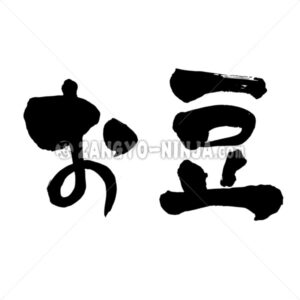
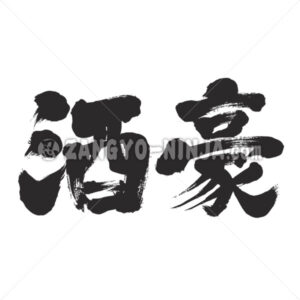
frijoles en kanji y hiragana - Zangyo-Ninja

1. Semillas de plantas leguminosas. En particular, a veces se refiere a la soja. 2. De forma pequeña. 3. Clítoris (jerga). Es una palabra cortés; en Japón se le llama "O mame" en hiragana y kanji.
vector
no clasificado $0.00$1,490.00 Seleccionar licencia
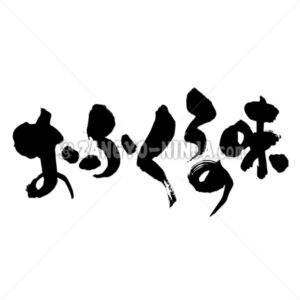
Taste of home cooking in Hiragana and Kanji - Zangyo-Ninja

A term that refers to home cooking experienced during childhood, or the taste formed thereby, and dishes that evoke them. Japan call “O fu ku ro no aji” in Japanese Hiragana and Kanji.

vector
no clasificado $0.00$1,490.00 Seleccionar licencia
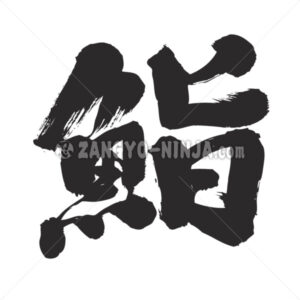
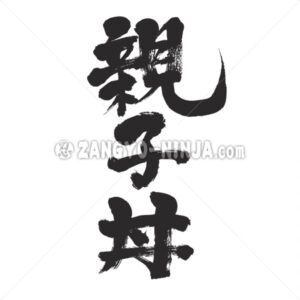
Sushi one character in Kanji - Zangyo-Ninja

Fish seasoned with vinegar and salt mixed with fish meat and vegetables. Also, vinegared rice is served with fish and shellfish meat and other ingredients. There are many varieties.
vector
no clasificado $0.00$1,490.00 Seleccionar licencia
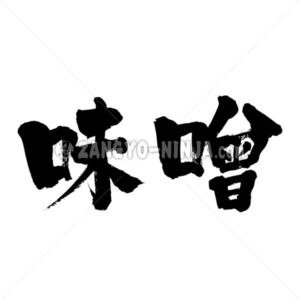
Miso Soy paste in Kanji - Zangyo-Ninja

1. One of the Japanese style seasonings. Steamed soybeans, fermented by adding salt and koji. 2. Something similar to miso in color and condition in the shells of crabs and shrimps. 3. Proud advantages. A point where the ideas and ideas were broken.

vector
no clasificado $0.00$1,490.00 Seleccionar licencia
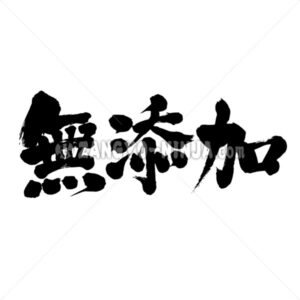
additive-free in Kanji - Zangyo-Ninja

Do not add preservatives, coloring, etc. that are not good for health to food. Japanese says “Mu ten ka”.

vector
no clasificado $0.00$1,490.00 Seleccionar licencia
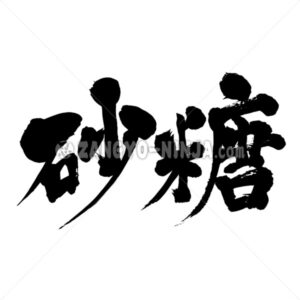
azúcar En kanji - Zangyo-Ninja

White crystals soluble in water. Sugar cane, sugar beet etc. Used for seasoning. Simple sugars are called monosaccharides and include glucose, fructose, and galactose. Japanese says “Sato”. Sugar Ingredients It can be divided into “cane sugar,” derived from sugar cane (the main raw material), and “sugar beets,” derived from sugar beet. Both cane sugar … Read More
vector
no clasificado $0.00$1,490.00 Seleccionar licencia
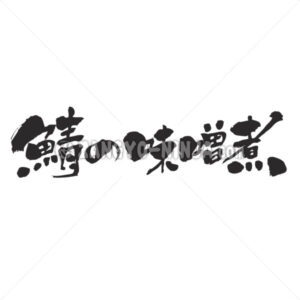
mackerel cooked with miso in Kanji - Zangyo-Ninja

Japanese fish dishes in which mackerel fillets are simmered with seasonings such as miso. The basic recipe is to simmer mackerel with miso and sugar, sake, mirin and ginger. One of the representative ones of Japanese mackerel dishes. Japan call “Sa ba no mi so ni”.

vector
no clasificado $0.00$1,490.00 Seleccionar licencia
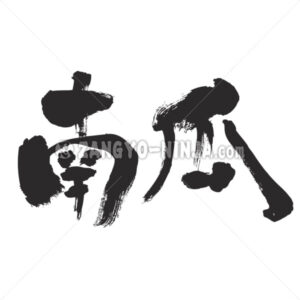
pumpkin in Kanji - Zangyo-Ninja

Description for Pumpkin Pumpkin is a general term for fruit vegetables belonging to the genus Cucurbita within the family Cucurbitaceae. While native to the Americas, the primary production areas are China, India, Ukraine, Africa. Wild species of the genus Cucurbita are distributed only in the New World, with most occurring in Mexico and Central … Read More
no clasificado $0.00$1,490.00 Seleccionar licencia
garland chrysanthemum in Kanji - Zangyo-Ninja

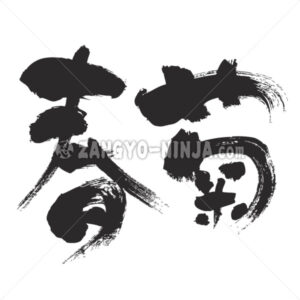
Asteraceae annual or biennial grass. The height is 20 to 60 cm. The leaves have deep cuts and are soft. Open yellow or white flowering head from summer to autumn. The aroma is high and is grown as food. Japanese calls “Shun Giku”.

vector
no clasificado $0.00$1,490.00 Seleccionar licencia
osmund in Kanji - Zangyo-Ninja

any fern of the genus Osmund: large ferns with creeping rhizomes. Eats shoots in Japan. One of the typical wild plants that makes you feel spring. It grows naturally in the mountains of Japan, and the young shoots picked in early spring are edible. In general, dried Osmund, which is a dried boiled product, … Read More

vector
no clasificado $0.00$1,490.00 Seleccionar licencia