

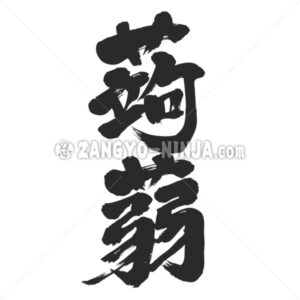
paste made from konjak flour. Solidified jelly made from the rhizome of devil’s tongue (Konjak taros). Low calorie and healthy foods in Japan. konjac, elephant’s‐foot, Amorphophallus, Amorphophalus rivieri, Amorphophallus konjak. Japanese says “Kon nyaku”.

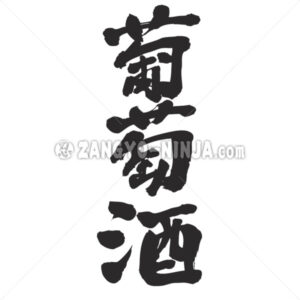
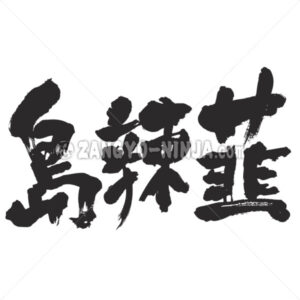
Rakkyo, a native species of Okinawa Prefecture. It is smaller and has a stronger scent than the scallions cultivated on the mainland. In addition to salted and sweet and sour sauce, it is also suitable for raw food and tempura. Allium bakeri, scallion, pickled shallot made in Okinawa. Japanese says Shima-rak-kyou.


a food called fermented soybeans. Natto is sticky and it have long threads trailing from them. This food that is regarded as being good for health, but the Japanese people can also be divided into likes and dislikes. There are three main types of natto Itohiki (stringy) natto Itohiki natto is the first type … Read More

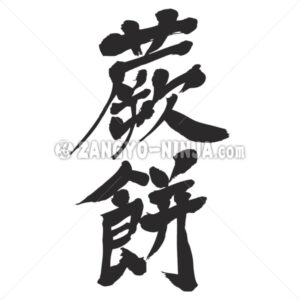
Japan calls “Warabi mochi”. Warabi is edible Pteridium, Pteridium herb and Bracken in Japan. Warabimochi is a jelly-like confection made from bracken starch and covered or dipped in kinako.
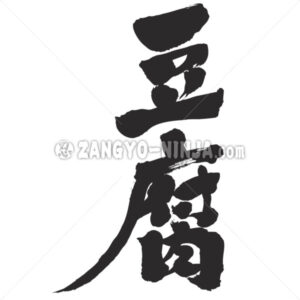
Soymilk is made by crushing soybeans soaked in water and simmering them with a cloth to make soymilk, and then adding bittern to the bittern to harden it. One of the typical Japanese foods, it is a soft white food made by solidifying soybean protein. Depending on the manufacturing method, it can be divided … Read More

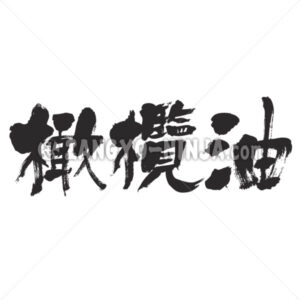
Olive oil is an oil obtained from the olive (Olea europaea; family Oleaceae), a traditional tree crop of the Mediterranean Basin. It is commonly used in cooking, cosmetics, pharmaceuticals, and soaps and as a fuel for traditional oil lamps. Olive oil is used throughout the world, but especially in the Mediterranean countries.
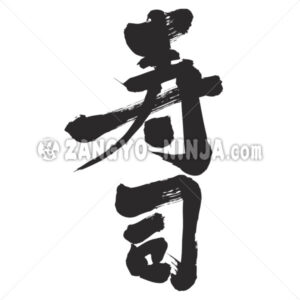

Total length about 1m. The body is gray or grayish white, with dark, pale, pale mottles. The chest is darker than the body color. The head is large, wide and flat. The tail is thin and short. Have a rooster, shake it to attract small fish and eat. It is served for cooking in … Read More
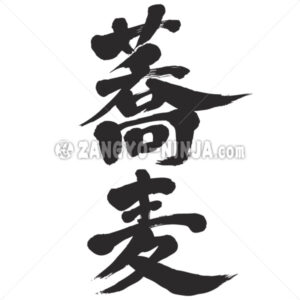
Fideos japoneses, elaborados con harina de trigo sarraceno, y platos que los utilizan. En japonés se dice "Soba".
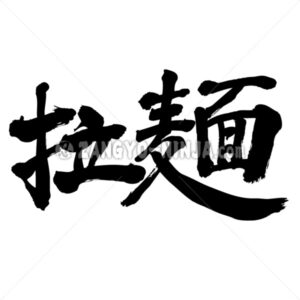
El ramen es un plato que surgió de la influencia de la cocina china de fideos en Japón y su fusión con la cultura gastronómica japonesa. Al combinar los cinco elementos (fideos, caldo, salsa, ingredientes y grasa/aceite), se pueden crear infinidad de recetas, y existen muchas variaciones en cuanto a sabor y estilo, incluyendo salsa de soja… Leer más

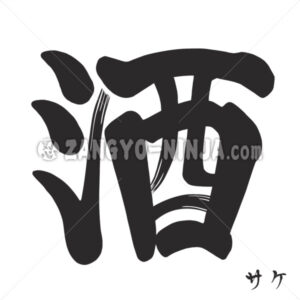
Acerca del sake: Una bebida alcohólica elaborada mediante la fermentación del arroz. Sake japonés. En la antigüedad, predominaba el sake turbio, pero el sake claro comenzó a producirse alrededor del período Muromachi. Hoy en día, se refiere principalmente al sake claro. Se elabora a partir de arroz, koji de arroz (arroz malteado) y agua, se fermenta y luego se filtra. Ingredientes secundarios como la glucosa, … Leer más
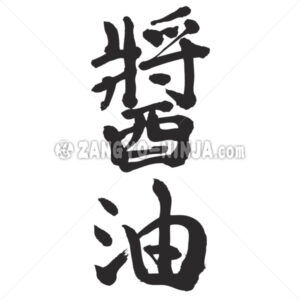
One of the most important seasonings in Japan, unique to Japan. Soy sauce koji made from soybeans and wheat is prepared by adding a concentrated salt solution and squeezed and fermented for about one year. Japanese says Sho-yu, Shou-yu. It is an essential seasoning for Japanese people When you get off at an overseas … Read More
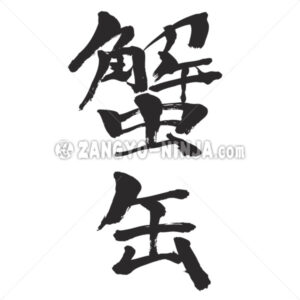
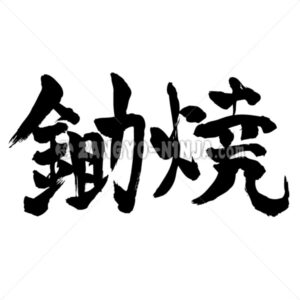
Historia del Sukiyaki: Uno de los platos de olla caliente. Se utiliza principalmente carne de res, pero también existen versiones con pollo, cerdo y otras carnes, así como pescado y mariscos. No existe ninguna teoría que afirme que el significado de sukiyaki sea que se usaba un arado en lugar de una olla, pero el uso de un arado usado es… Leer más
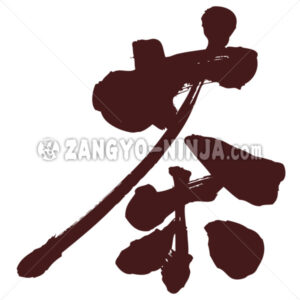
El ramen japonés se ha diversificado enormemente. Partiendo de fideos traídos de China como "fideos chinos", se modificaron los fideos, el caldo y los ingredientes. El ramen rápidamente ganó popularidad y se extendió por todo Japón en poco tiempo. Descripción de esta obra: Una ilustración de ramen que se asemeja a un escudo familiar es… Leer más