Generally, it is a portable meal consisting of rice and side dishes in a container such as a box. In some cases, rice is not used, such as in sandwiches and spaghetti.
History of Bento
Heian – Kamakura Period
The concept of all portable food as bento goes back to the Heian period (794-1185). At that time, there were onigiri (rice balls) as portable food, called tonjiki, and dried cooked rice, called hoshii (dried rice), also became popular. These were stored and carried in small containers, and can be said to be the roots of today’s boxed lunches. In the Kamakura period (1185-1333), portable rice with dried bonito flakes was also used for warfare.
Azuchi-Momoyama Period
Until then, portable food was wrapped in bamboo grass or bamboo bark, but it was around this time that the bento box form was born. The bento box form was born around this time, and people began to eat their meals in box-shaped containers made of lacquerware or other materials, at events such as cherry blossom viewing and tea ceremonies. The word “bento” was used to refer to “a simple meal to be distributed to each person” when serving meals to many people at Azuchi Castle.
Edo Period
In the Portuguese “Nichi-Portuguese Jisho” compiled in the early Edo period (1603-1867), “bento” is used to describe a lunch box. In other words, “a box similar to a stationery box with a drawer, in which food is carried. Although bento was originally used by feudal lords and other privileged people to eat on occasions such as cherry blossom viewing and autumn leaf viewing, it gradually came to be used by the general public as well, as all portable meals.
Meiji – Taisho Period
Bento taken on the way to work were “koshi bento,” or bento carried hanging from the waist, a practice that had continued since the Edo period (1603-1868). This may seem strange now, but it was a common sight at the time. The restaurant industry was still underdeveloped and schools did not have a school lunch system, so everyone from elementary school students to university students had to carry their lunch boxes to school.
With the construction of the railroads, the first “ekiben” were sold during the Meiji period (1868-1912). There are various theories as to where the first ekiben was sold, but one theory is that the first ekiben was sold in 1885, when a certain inn in Utsunomiya began selling boxed meals at the station when the railroad opened between Omiya and Utsunomiya. At that time, ekiben were very simple, consisting of two rice balls and two slices of takuan (pickled radish) for 5 sen.
It was during the Meiji period that Western-style bento containing sandwiches as well as bento with rice as the main ingredient appeared.
Showa – Modern Era
As industry developed during the Showa period (1926-1989), many anodized aluminum lunchboxes were developed and became widely used because they were easy to maintain. At the same time, jar-type and thermos bottle-type heat-retention lunchbox containers were developed and marketed, making it possible for people to bring their lunchboxes to school or work and still enjoy a hot meal.
It was also in the 1970s that take-out bento stores began to appear. As the convenience store business spread further down the road, convenience bento became popular. Convenience stores became popular because they could heat up the bento immediately after purchase using the microwave ovens located in the store.
Etymology of the word “bento”
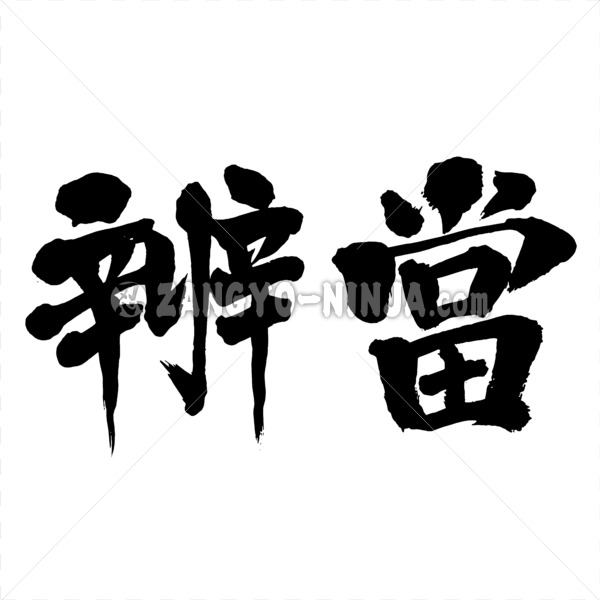
From the Chinese word “bento” (便當)
The Chinese word “bentou” is a coined word (slang) meaning “convenient” or “convenient. It was coined during the Southern Song dynasty (1127-1279) in China, and was later introduced to Japan, where it was applied to kanji characters such as “便道” and “弁道. The word “bento” itself seems to have existed since the Kamakura period (1185-1333).
From the distribution of meals in the Warring States Period
During the Warring States Period, when a large number of people were fed at once, the food was served in simple dishes. There is a theory that the word “bento” is derived from “bentsuke,” which means “to pay one’s share” or “to pay one’s share for the time being. In this connection, there is also a suggestion that it was during the Azuchi-Momoyama period that portable meals as we know them today came to be called “bento. At that time, the container was divided (split) into several parts and filled with rice and side dishes, hence the name “hako/wari-go”. This name is still used today in the name “Wariko bento” in the Tokai region.
The origin of the old character “bento”
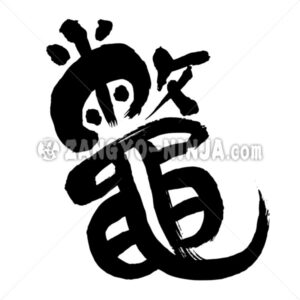
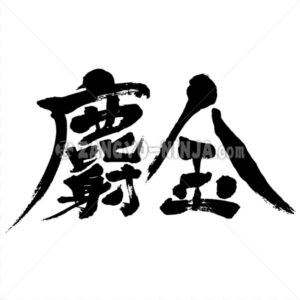
Before World War II, many of these lunches were sold in this old-fashioned kanji notation. There is no detailed information on why this style of writing was used. However, in the manga “Kimetsu No Yaiba” (Blade of the Demon), which is set in the Taisho era (1912-1926), bento with this notation appears.