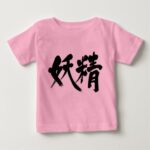



Description for fairy
A supernatural being that lives in a world that is closely related to the human world and can change shape. Their beauty and ugliness, size, good and bad, and other characteristics vary greatly depending on the region and era, but in general they have a very human-like appearance and character, often lacking in conscience and discipline, capricious, and exaggerated in the kindness of humans. It is said that he will return the favor, and if he is criticized, he will retaliate severely. Until the early modern period, it was feared as a rather evil existence, but it has been glorified by children’s stories and comics.
Various interpretations have been made regarding the existence of fairies, such as natives who lived before the ruling races, pagan gods who were suppressed by the advent of Christianity, and inhabitants of the world of the dead. Only good and kind, cute and beautiful fairies have been the product of fairy tales, children’s stories, and comics since the early modern period, and until then they were considered to be similar to devils and witches and were extremely feared. In particular, there was a deep-rooted fear that a newborn baby would be kidnapped by a changeling and turned into a fairy child.
It is known by various names in each country.
Fairy in English, fée in French, and Fee in German are derived from the Latin fatum, the goddess of fate, and convey a semi-divine character. Therefore, the fairies may include the beautiful nymphs of Greek mythology who live in seas, rivers, springs, forests, hills, etc., and the half-woman, half-bird siren who seduced Odysseus. In Persian mythology, Peri, who flies like an angel; in the Slavic world, Babarijaga, the most vicious; Scandinavian ugly giant troll; can also be considered fairies.
In the legend of King Arthur, the king’s sister, Morgan le Fay, is a fairy who helps the king with her magical powers. In Spencer’s The Fairy Queen and Shakespeare’s A Midsummer Night’s Dream, fairies play major roles.
Unexplained plane crashes during World War II were often blamed on newcomer fairies known as gremlins.
In Japanese, we call those fairies “Yo sei”.
In the legend of King Arthur, the king’s sister, Morgan le Fay, is a fairy who helps the king with her magical powers. In Spencer’s The Fairy Queen and Shakespeare’s A Midsummer Night’s Dream, fairies play major roles.
Unexplained plane crashes during World War II were often blamed on newcomer fairies known as gremlins.
In Japanese, we call those fairies “Yo sei”.