

Mt.Fuji is the highest mountain in Japan.
The highest point on Mt. Fuji is Kengamine, which is about 3,776 meters high.
The period during which you can safely climb Mt. Fuji is two months from early July to mid-September. is. About 300,000 people will climb Mt. Fuji in the next two months.
Fuji has become a World Heritage Site
Mount Fuji, which has had a great impact on Japanese people’s view of nature and Japanese culture, was registered as a World Cultural Heritage Site in 2013 by the UNESCO World Heritage Committee as “Mount Fuji – Sacred Place and Source of Art.” Mt.Fuji, which has fostered faith represented by Fuji-ko and various arts such as ukiyo-e, is a treasure of the world that should be inherited to the future as a symbol of the coexistence of people and nature.
The Outstanding Universal Value of Mt. Fuji was recognized.
Evidence of a unique cultural tradition to the mountain called “Fujisan Worship”
The belief in the gods and buddhas who were thought to live on Mt. Its essence has been passed down through the ages to the form and spirit of today’s Mt.Fuji climbing and pilgrimage. The diversity of cultural assets that have been inspired by Mount Fuji and its worship shows that Mount Fuji is a rare testament to the cultural traditions of mountains that are still alive today.
Direct and tangible association with works of outstanding universal significance
The iconography of Mt. Fuji depicted in ukiyo-e prints in the first half of the 19th century has been widely used as a motif in modern and contemporary Western art. It has become widely established overseas as a symbol to do. Fuji is a unique mountain that has direct and tangible relevance to works of art of such outstanding universal significance, and has a symbolic meaning as a symbol of Japan and Japanese culture.
Origin of the name of Mount Fuji
The name of Mt. Fuji has been expressed in various ways since ancient times. The most common one is “Fujiyama”. It means a unique high peak that cannot be compared to others.
“Fujitsuzan” seems to mean that the top of the mountain is covered with snow all year round, but as you know, there is no snow on Mt. Fuji in summer. He may have expressed the size of the remainder as “inexhaustible.” It is famous for the poem by Akahito Yamanobe in the Manyoshu, “Tagonoura Yu, if you go out and look at it, it will be pure white, and the snow will sprinkle on the inexhaustible peak.”
In Manyoshu, the characters “Fushi” and `“Fuji” are also used, but it seems to be true that Manyo-gana was called “Fuji” because it is a type of phonetic writing.
Today’s writing style of “Mt. Fuji” means a mountain rich in warriors, and it is believed to have been written after the Kamakura period when Bushido was developed.
There are other theories about the origin of the name, such as the Ainu word “Funchi” (the god of fire = volcano) and the Malay word “Fuji” (wonderful).
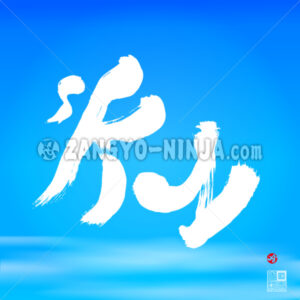
Fuji is called “Fuyo” because of the shape of the summit crater.
If you see it in a dream on January 1st, you will be lucky.
In Japan, hatsuyume refers to the dream you had on the first night of the new year when you fell asleep. “First Mt.Fuji, second falcon, third eggplant” is well known as auspicious things seen in such a first dream.
Fuji means “immortality,” hawk means “high,” and eggplant means “to grow.”
I wish I could see you in hatsuyume(first dream).