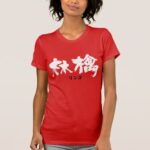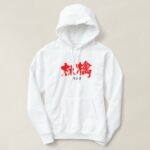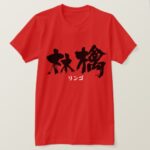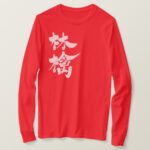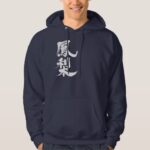

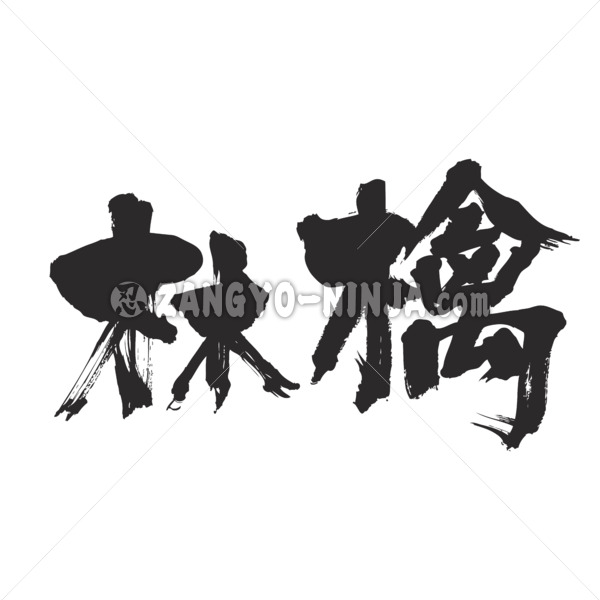
Home » Food & Drink » Apple wrote by horizontally in Kanji

Apple écrit horizontalement en kanji

créé par un designer

$0.00$1,490.00

600x600
$0.00
1920x1920
$4.80
6000x6000
$9.80
Complet
$19.80
Complet
$980.00
Complet
$1,490.00

Apples are a fruit of the family Rosaceae, the genus apple.
Apples are a sweet and sour fruit, but that is not their only appeal. Nutritional value is another attraction of apples. Apples contain potassium, dietary fiber, vitamin C, and polyphenols. They are so rich in nutrients that it is said, “An apple a day keeps the doctor away.
It is said that apples were first cultivated in Japan during the Meiji period (1868-1912).
There are approximately 2,000 varieties of apples grown in Japan.

The Roots of the Apple

The apple came to Japan from China. Most of the tools for the varieties grown today were brought from the U.S. in the early Meiji period. The apple is a fruit so loved by countries around the world that international conferences are held regularly around the world.

Nutrition and Benefits of Apples

Pectin, a soluble fiber found in abundance in apples, promotes digestion and balances stomach acidity. This is why apples are said to be good for constipation and diarrhea. Pectin is also reported to be effective in preventing allergic diseases.
In addition, catechin, a type of polyphenol contained in apples, has antioxidant properties and is expected to prevent high blood pressure, cancer, and aging. Quercetin, another type of polyphenol, is also believed to be effective in preventing arteriosclerosis and cancer.

The origin of the Japanese name is

Japanese said “Rin Go”.
The Chinese name “apple (rinchen)” is thought to have been a transposition of the Chinese names for the tree, such as rin-kin, rinki, and riu-gou. The Chinese character for apple is believed to mean a tree that attracts birds.
The sweet taste and aroma of fruits, not just apples, can attract birds, and among them, apples may have attracted birds in particular.
The 2nd character for “檎” was called “kin” in Chinese and “gong” in Wu, and the name “apple” is said to have come to be called “lingkin, lingon”, which in turn was called “ringo”.
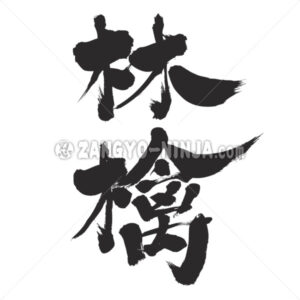
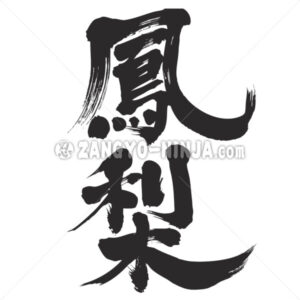
Détails techniques AI Vector, 115.65 KB
, , , ,

People also views for about Apple

   
Apple écrit verticalement en kanji - Zangyo-Ninja

Apple écrit verticalement en kanji

La pomme est le plus ancien fruit consommé par l'homme, [...]
vecteur
GRATUIT~ Afficher les détails
pineapple in Kanji - Zangyo-Ninja

pineapple in Kanji

1. large sweet fleshy tropical fruit with a termina [...]
vecteur
GRATUIT~ Afficher les détails

Café en kanji

C'est l'une des boissons les plus populaires au monde [...]
vecteur
GRATUIT~ Afficher les détails
Gros buveur en Kanji - Zangyo-Ninja

Grand buveur en kanji

Un gros buveur est quelqu'un qui tient bien l'alcool [...]
vecteur
GRATUIT~ Afficher les détails
Bardane en Kanji et Hiragana, lu comme Gobo en japonais - Zangyo-Ninja

Bardane en kanji et hiragana, se prononce Gobo en japonais

Ce n'est pas une racine d'arbre. Qu'est-ce que la bardane ? Une bien [...]
vecteur
GRATUIT~ Afficher les détails
Curcuma en Kanji - Zangyo-Ninja

Curcuma en kanji

Le curcuma appartient à la famille du gingembre. Il est composé de [...]
vecteur
GRATUIT~ Afficher les détails

Œuvres recommandées par le créateur Aokage

Tanaka en Kanji - Zangyo-Ninja

Tanaka en kanji

Bonjour, Monsieur Tanaka. Voici une explication du ou [...]
vecteur
GRATUIT~ Afficher les détails
Mizuki dans le nom de famille Kanji - Zangyo-Ninja

Mizuki en kanji de nom de famille

Bonjour, Monsieur Mizuki. Voici une explication du ou [...]
vecteur
GRATUIT~ Afficher les détails
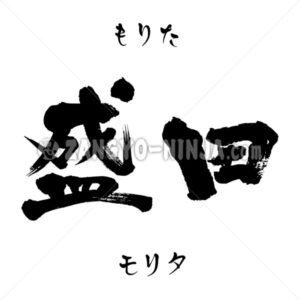
Morita en Kanji, Hiragana et Katakana - Zangyo-Ninja

Morita en kanji, hiragana et katakana

Bonjour, Monsieur Morita. Voici une explication du ou [...]
vecteur
GRATUIT~ Afficher les détails
Shomon Raifuku en Kanji, le proverbe en Hiragana. 笑門来福 - Zangyo-Ninja

Shomon Raifuku en Kanji, le proverbe en Hiragana. 笑門来福

Le bonheur s'installe naturellement dans les foyers emplis de rires [...]
vecteur
GRATUIT~ Afficher les détails
AOKAGE
1031

Aokage

Il a remporté plusieurs médailles d'or et d'argent en calligraphie japonaise (Shodo). Il adore les sushis et les sashimis. Ayant pratiqué la calligraphie depuis son enfance, son père était professeur qualifié. Aokage (青景) évoque les paysages bleus, comme la mer et le ciel d'un bleu limpide, ainsi que l'ombre bleue. L'ombre symbolise un ninja.

Des gens bien comme vous regardent aussi