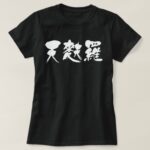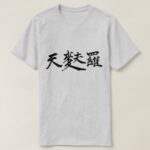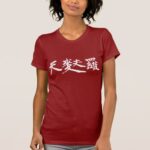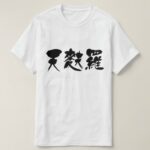

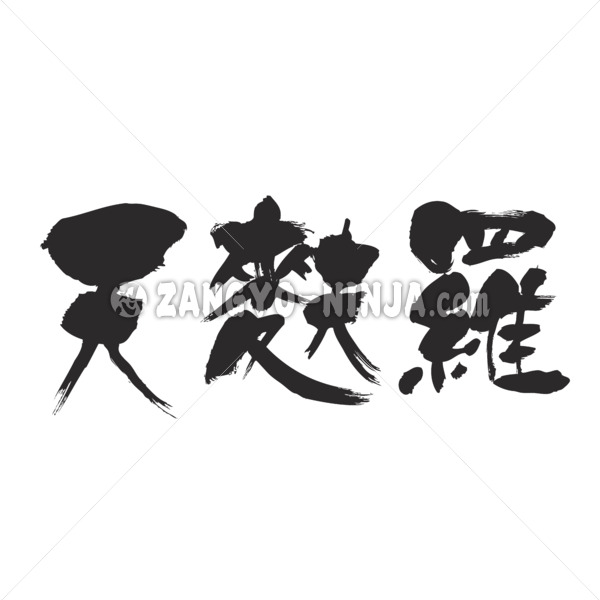
Description for Tempura foods
It is a Japanese dish in which ingredients such as seafood and vegetables are wrapped in a garment mainly made of wheat flour and fried in oil.
Tempura is a fast food imported from Nanban (Westerner)
Tokugawa Ieyasu is known to have been very careful about his health, and it can be said that this is why he lived a long life and took over the world.
Even in his old age, he never neglected sports such as horseback riding, archery, and falconry.When he was ill, he self-diagnosed himself and prepared medicines to cure most of them. He also paid attention to his diet and made it his motto to eat simple meals such as barley and rice.
It is ironic that such Ieyasu ate too much of the extravagant Nanban cuisine and died from it.
That Nanban cuisine was tempura.
Tempura is not an ancient Japanese dish, but has its roots in European cuisine. However, unlike today’s tempura, which is coated with batter and fried in oil, the dish called tempura, which was brought to Japan during the Warring States period, is thought to have been something like fritters or deep-fried.
Even before the Sengoku period, there was a dish very similar to tempura in our country.
In ancient times, there is a dish called “Karagashi,” which is made by kneading rice flour and frying it in oil. Also, during the Kamakura period (1185-1333), a dish of battered and deep-fried vegetables was imported from China. However, since this is Zen Buddhist vegetarian cuisine, animal ingredients such as fish were taboo.
“Then what was tempura like in the Edo period?”
It is said that Ieyasu died after eating sea bream tempura, but it is said that he used kaya instead of the rapeseed, sesame, and soybeans used today. Only a very small amount of oil can be squeezed from the kaya nut, and it is said that it was extremely valuable.
Common people in Edo, of course, can’t afford such things. Sesame oil was common. Unlike today, tempura was not a home-cooked meal, but a stand-up food stall. Edomae fish, easily available from the fish market, is skewered, lightly battered, and deep-fried in sesame oil. At the stall, skewered tempura is served on a plate, and at the edge is a bowl of tempura soup and grated daikon radish. Customers took their favorite tempura and ate it with tempura dipping sauce and grated daikon radish.
In recent years, fast-food chain tempura restaurants have sprung up, making it possible to eat tempura at a bargain price.
However, in the latter half of the Edo period, tempura became more expensive. First of all, it is the appearance of “Kinpura” and “Ginpura”. “Kinpura” is a deep-fried batter coated with egg yolk, which was a luxury at the time. “Ginpura” is deep-fried only with egg whites.
In the Meiji period, Kaneda Kaneda, who ran Tokyo-tei in Asakusa, went on business trips to mansions and inns to make tempura, starting with ‘ozashiki tempura,’ promoting the upscale production of tempura.
Origin of Tempura
The etymology of tempura is “tempero” which means “cooking” in Portuguese and “templo” which means “heavenly day (day when birds and beasts are forbidden and eat fried fish)” in Spanish.
Another word in Portuguese is “temporas”. The word means ‘seasoning’, and there is a theory that this is the origin of the word.
It was Yamato Den, a popular playwright in the middle of the Edo period, who applied the character for tempura to 天麩羅.
There are many other theories.
![[Kanji] Japanese food Tee Shirt](https://www.zangyo-ninja.com/wp-content/uploads/kanji_japanese_food_t_shirt_jg95t_1024-150x150.jpg)