
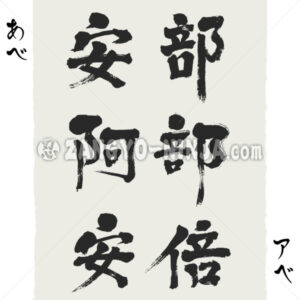
Hello, Mr. Abe. This is an explanation of the origin of the surname Abe, which is shared by your ancestors and friends. The surname Abe has three common kanji characters. They are written horizontally in three lines in the center. Regarding their origin, it is thought they all stem from the same root. It … Read More

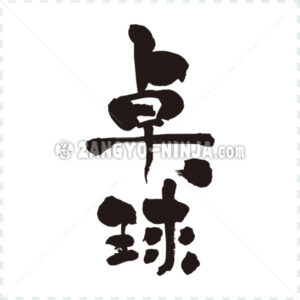
One of indoor competitions. On a desk with a mesh in the center, meet celluloid globules together. Ping Pong. High sports competitive sports which are also adopted in the Olympic official competition. Japanese says “Ta kkyu”.
Main meanings of “Uzumaki”. It’s not just about name of the manga’s character or anime. Swirls of water or gas. Swirl-like patterns or shapes. A state where things are intensely clashing and moving. Japanese Surname An extremely rare surname with only about 10 people bearing it nationwide. The origin of the surname written with … Read More

Abbreviation for Yamanashi Prefecture Yamanashi Prefecture is located almost in the center of Japan. Its prefectural capital is Kofu. It has a basin-like topography, surrounded by many high mountains such as Mount Fuji, the Yatsugatake Mountains, and the Southern Alps. It borders Tokyo Metropolis, Kanagawa Prefecture, Shizuoka Prefecture, Nagano Prefecture, and Saitama Prefecture. The … Read More

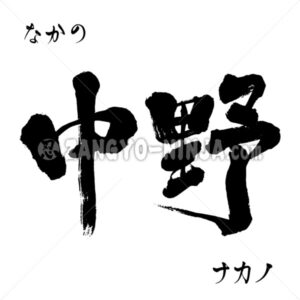
Hello, Domoto. Nakano. This is an explanation of the origin of the surname Domoto, which is shared by your ancestors and friends. The Domoto surname is believed to be derived from place names. It is said to be found in Hyogo Prefecture, Osaka Prefecture, and Wakayama Prefecture, with a distribution in Kitawada, Yamanami Town, … Read More
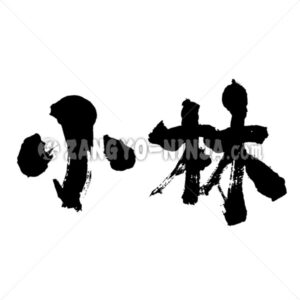
Hello, Mr. Kobayashi. This is an explanation of the origin of the surname Kobayashi, which is shared by your ancestors and friends. Kobayashi is the 9th most common Japanese surname. “Kobayashi” means a small forest, and there are forests that protect houses such as windbreaks and sandbreaks near the village. It is thought that … Read More
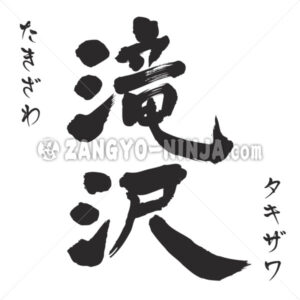
Hello, Mr. Takizawa. This is an explanation of the origin of the surname Takizawa, which is shared by your ancestors and friends. It is thought to derive from “a valley with a waterfall.” This stems from people living near a valley with flowing waterfalls adopting the place name “Takizawa,” which then became established as … Read More

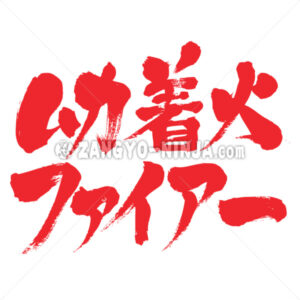
É uma palavra cunhada que significa muito, muito zangado. Censurar de forma muito severa ou com muita raiva. Ficar muito zangado. É mais raiva do que Geki-O-Ko-Pu-N-Pu-N-Maru. Atualmente, em japonês, essa palavra tem pouca importância entre os jovens. Em japonês, Mu-Ka-Cha-Kka-Fire é chamado de fogo.

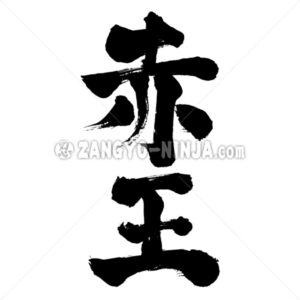
Uma popular loja japonesa que abriu em Manila. Um dos quatro tipos de ramen. Caracterizado pelo sabor picante das pimentas. *Este é um trabalho encomendado e não tem relação com o produto em questão. Além disso, pode ser excluído devido a circunstâncias imprevistas, pois não possui meios oficiais.


Hello, Mr. Yutani(Aburaya). This is an explanation of the origin of the surname Yutani(Aburaya), which is shared by your ancestors and friends. Its origin is said to come from the business of selling oil, specifically the shop name “Aburaya” (oil shop). Approximately 4,000 Japanese people bear the Yutani surname. It is a rare surname. … Read More
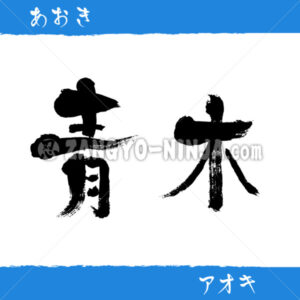
Place names and environments as origins The place name “Aoki” exists in numerous locations nationwide, giving rise to “Aoki” clans that adopted these names in various regions. Place names like ‘Aoki’ exist throughout Japan, including in Kanagawa Prefecture, Fukuoka Prefecture, and Niigata Prefecture, each serving as the origin of the “Aoki” surname. Another theory … Read More


Hello, Mr. Ohara. This is an explanation of the origin of the surname Ohara, which is shared by your ancestors and friends. Most surnames of this type likely derive from place names of the time, with locations and eras overlapping. Among these theories are: one originating from Ohara in Kōka-chō, Kōka City, Shiga Prefecture … Read More


This is a vertical calligraphy work. It reads “Joka” in Japanese. It was written when entering a different state, a state unlike the usual. For purification and cleansing.