

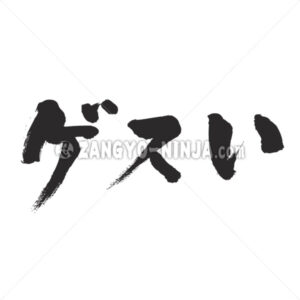
A person who is low-hearted. A low-ranking person. Because it is a slang term, it is not used in clever places such as business. Japan call “Ge su i” in Katakana and Hiragana.
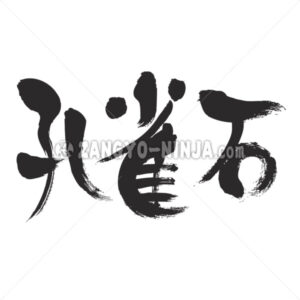
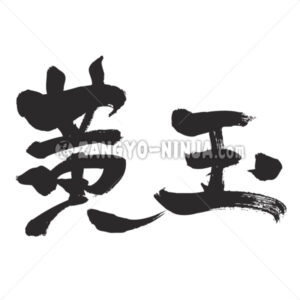
Copper carbonate mineral, green or blackish green, with diamond luster and translucent. Monoclinic system with many fine needles or fibrous crystals. Malachite is said to have the power to protect the owner from disasters. It is also said to increase the amulet amulet, intuition and insight. Japan call “Ku jaku ishi”.
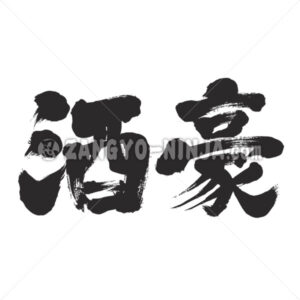
A heavy drinker is someone who can hold their liquor well. Generally speaking, the following types of people are considered heavy drinkers. They can consume a significant amount of alcohol at once. They prefer high-proof spirits such as distilled alcohol. They can drink large amounts of alcohol without feeling the effects the next day. … Read More
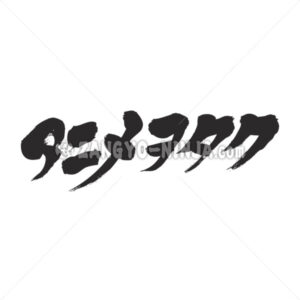
It is a kind of otaku and refers to otaku who likes anime. A Otaku is a person who likes specific fields and things and actively collects related items or information. It is normal notation to use “オ” for the 4th letter, but in net slang and otaku friends, “ヲ” is written. They are … Read More
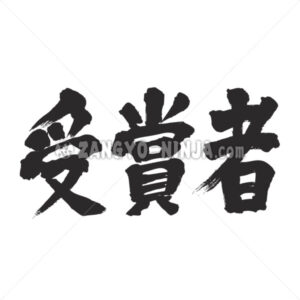
To receive an award. Those who won the Academy Awards, sports competitions, etc. Japan call “Ju sho sya”.
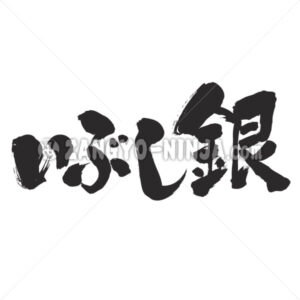
1. Não há uma aparência glamorosa, mas algo que faz você se sentir atraente. 2. A própria prata e sua cor oxidada. A prata é coberta com sulfeto de prata ao longo dos anos, devido à sulfurização da superfície por reação química. No Japão, isso é chamado de “I bu shi gi n”, que é escrito em hiragana e kanji.
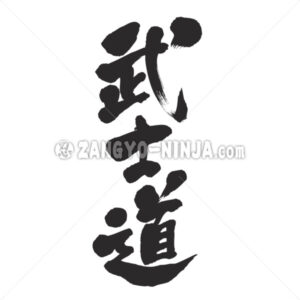
Em japonês, diz-se “Bu shi do”. Como símbolo do sistema de identidade do período Edo, o samurai, comerciante agroindustrial, se destacava acima do mundo, ostentava as virtudes do confucionismo, agia como um santo e deveria ser incentivado pelas artes marciais. Parece que era considerado uma virtude não se deixar aprisionar pela vida, como comida, mantimento e… Leia Mais
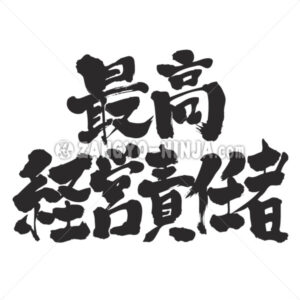
É nomeado pelo Conselho de Administração, que toma as decisões de gestão em nome dos acionistas e detém a responsabilidade final pelas políticas de gestão da empresa. Muitas vezes, é a mesma pessoa que o presidente do conselho de administração. No Japão, é chamado de “Sai ko kei ei seki nin sha”.
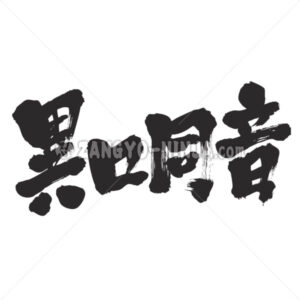
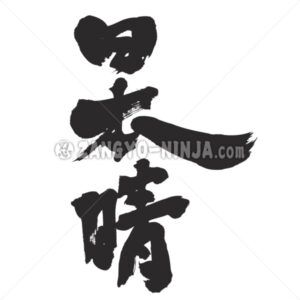
1. Está tudo claro, sem nenhuma nuvem. 2. Não há dúvidas nem ansiedade, e o sentimento é lúcido. No Japão, isso é chamado de “Ni hon bare”.
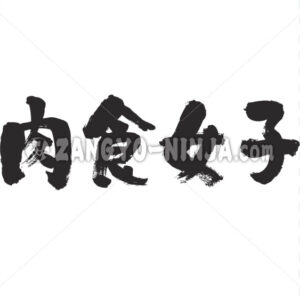
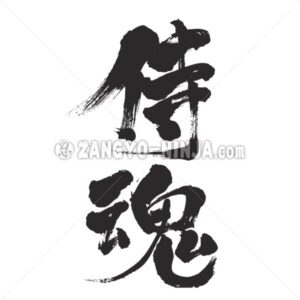
É um espírito de abnegação baseado em pensamentos extremamente puros, que combina nobreza e orgulho, uma forte vontade que não se curva a ninguém e uma mente inabalável. Em japonês, diz-se "Samurai damashii".

Description for Aquamarine It is blue beryl. The name is a word that means “seawater” in Latin. A gem name of a transparent blue tone among the green pillar stones. Most of the commercial products are cheaper than emeralds and have been treated with heat from green to yellow-green patyrite. In Japanese, it is … Read More
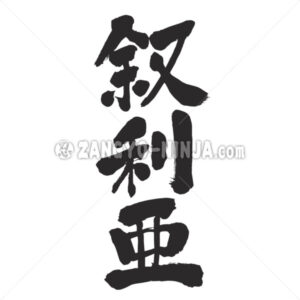
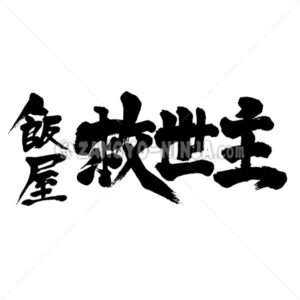
This is a fictional store name. The vertical kanji characters on the left side, “飯屋,” refer to a restaurant that serves rice dishes, a place where the general public can eat, and is called “meshiya.” The horizontal kanji on the right, “救世主,” means the name of the store. In Japanese, it is called “kyuseishu,” … Read More
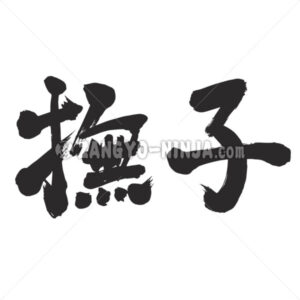
Nadeshiko tem vários significados. Planta perene da família Nadeshiko. Nativa de Yamano, com cerca de 50 cm de altura. As folhas são lineares, brancas e opostas. No verão e outono, a flor rosa se abre e a ponta da pétala é fina. É o nome da cor Kasane do quimono (a peça que compõe a superfície externa e o forro do quimono) .
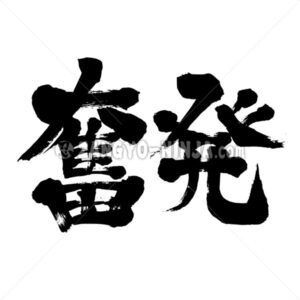
1. Energia inspiradora. Para agitar o humor. Para me animar (a mim mesmo). 2. Para ter dinheiro de sobra. Abundante. Em japonês, diz-se "fun patsu".