
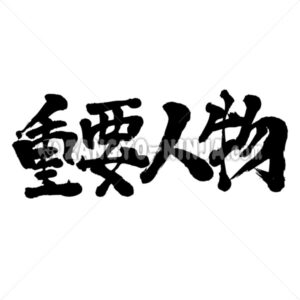
Descrição para VIP: Uma pessoa cujas ações ou opiniões exercem forte influência sobre os assuntos. Figura influente, pessoa de caráter, figura proeminente. Uma pessoa altamente influente e respeitada. Grande pessoa, figura importante. Uma pessoa que desempenha um papel crucial nos assuntos. Figura-chave, pessoa fundamental, figura essencial, jogador-chave, pessoa importante. Uma pessoa com… Leia Mais


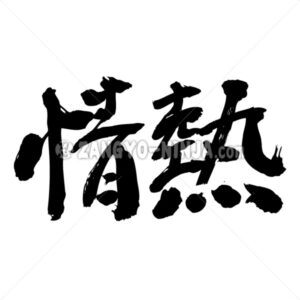
Entusiasmo, zelo, a característica de ser intensamente emotivo. Transbordando de prazer ou aprovação. Um sentimento ou emoção forte. Uma sensação de excitação. Em japonês, diz-se Jo-netsu.
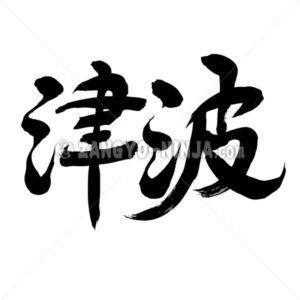
a seismic sea wave, a tidal wave. a cataclysm resulting from a destructive sea wave caused by an earthquake or volcanic eruption.

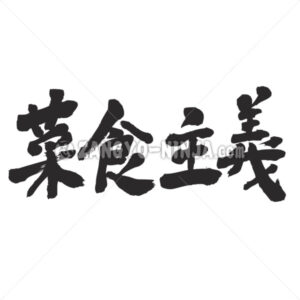
a diet excluding all meat and fish. The principle that it is desirable to limit all human food to plant food. Derived from a religious or unique nutritional position. This principle is called a vegetarian. In Buddhism, meat eating is prohibited in principle, and some Christians, like the Seventh Worship Day, are vegetarian, but … Read More
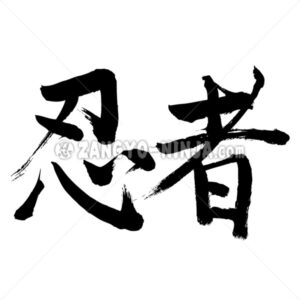
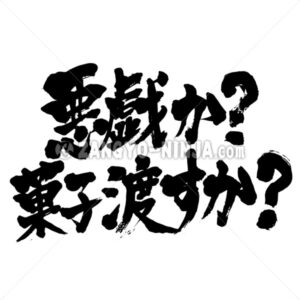
A ninja was a covert agent or mercenary in feudal Japan. The real Ninja is no there in Japan, in any-place, yet. Japanese says Shinobi, too.

Não existem letras exatas em japonês. Uma criança japonesa diz "Ita-Zura-Ka Ka-Shi-Wata-Su-Ka" quando fala de Halloween, por exemplo. Isso é feito com letras Kanji e Hiragana.

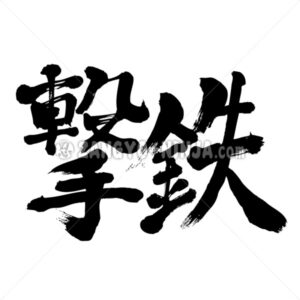
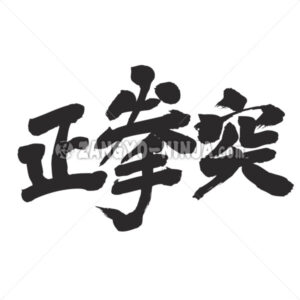
the part of a gunlock that strikes the percussion cap when the trigger is pulled. hammer, cock, striker. One of the rifle firing devices. The part that bangs the detonator to ignite the bullet propellant. Japanese says Geki-tetsu.


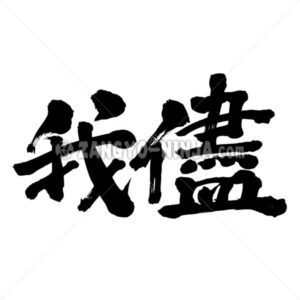
stinginess resulting from a concern for your own welfare and a disregard of others. Japanese says Waga-mama. This is difficult Kanji.

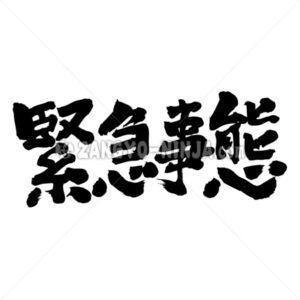
The exact meaning is “a state of emergency”. Usually, the first two letters are clamant, crying, exigent, instant, insistent, urgent, pressing, emergent, pinch, exigency, emergency. Japanese says Kin-kyu-ji-tai.
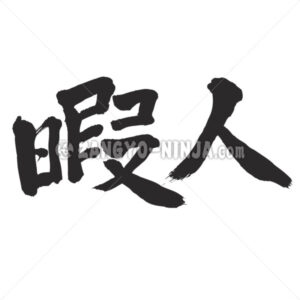
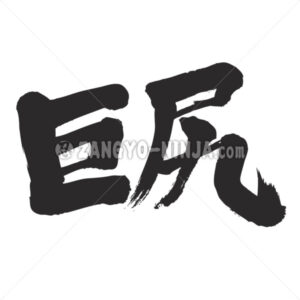
a man of leisure, a leisured person, an idler. a person who is busy with leisure. a people who has a lot of time. japanese says Hima-jin.

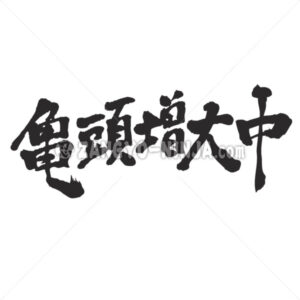
cf: the big hips, the large behind, the huge backside, the big buttocks, the large butt, the big bum. Japanese says Kyo-jiri.
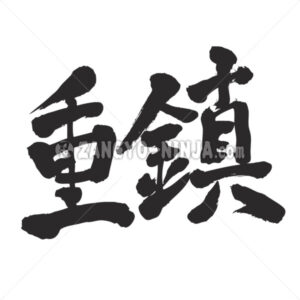
Uma pessoa influente que é uma das principais restrições. Uma figura central que desempenha um papel importante nessa direção. Uma pessoa que desempenha um papel importante em uma determinada sociedade/área. Em japonês, diz-se "Ju-chin". Colosso, titã, gigante, peso-pesado e enorme.

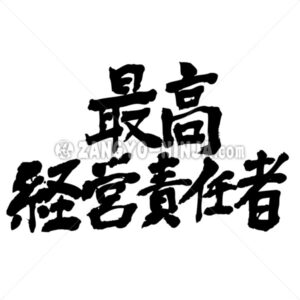
O CEO (diretor executivo) está no topo da hierarquia executiva. É o executivo responsável pelas operações da empresa. Em japonês, diz-se Sai-ko-kei-ei-seki-nin-sya.
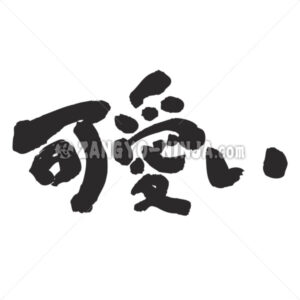
1. lovable especially in a childlike or naive way. 2. pleasing by delicacy or grace. 3. appealing to the emotions as well as the eye. Japanese said Kawaii

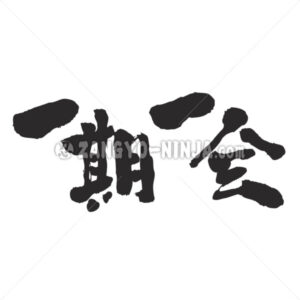
It is a once-in-a-lifetime encounter, meaning it will never happen again. “一期” means “lifetime” and “一会” means “one time encounter”. One of the terms describing the spirituality of the tea ceremony. I thought that today’s meeting would be a once-in-a-lifetime meeting, and I taught them that it is essential to interact with both the … Read More
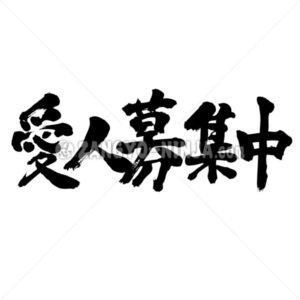
This mean lover as Kanji — A significant other to whom you are not related by marriage. Japanese says Ai-jin-bo-shu-chu.

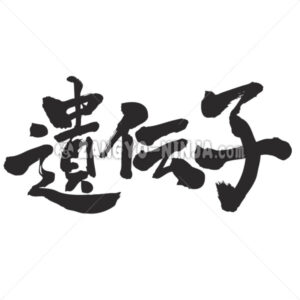
the functional and physical unit of heredity passed from parent to offspring. genes are pieces of dna, and most genes contain the information for making a specific protein. Factors regulating the genetic traits of organisms. Genetic factors. Japanese says I-den-shi.
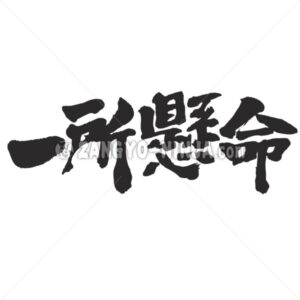
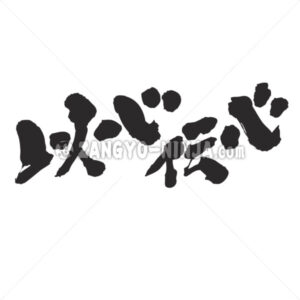
sticking at living in and defending one place. very hard, with utmost effort, with all one’s might, desperately, frantically, for dear life, all-out effort. Japanese says I-sho-ken-mei.

1. Linguagem budista. Para transmitir iluminação e verdades que não podem ser expressas em palavras, de coração para coração. Usada principalmente por famílias Zen. 2. Os corações se comunicam silenciosamente. Mesmo sem se preocupar em explicar, a comunicação com a outra pessoa acontece naturalmente. 3. Uma gíria para colegas de prática, que… Leia Mais
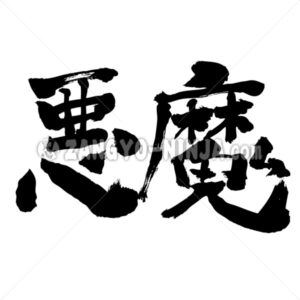
Descrição para Diabo, Demônio e Diablo: um ser sobrenatural maligno. Uma pessoa cruel, perversa e desumana. Em japonês, diz-se Aku-ma.


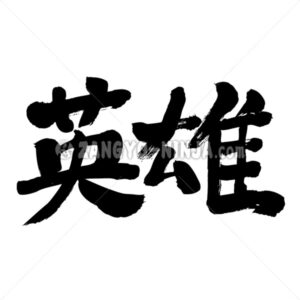
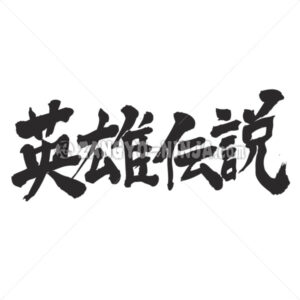
1. a being of great strength and courage celebrated for bold exploits. 2. a man distinguished by exceptional courage and nobility and strength. Japanese says Ei-yu.

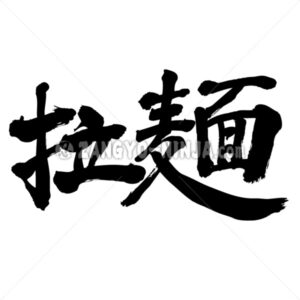
O ramen é um prato que nasceu da influência da culinária chinesa de macarrão no Japão e sua fusão com a cultura gastronômica japonesa. Combinando os cinco elementos — macarrão, caldo, molho, ingredientes e gordura/óleo —, é possível criar uma infinidade de receitas, com muitas variações de sabor e estilo, incluindo o molho de soja… Leia Mais
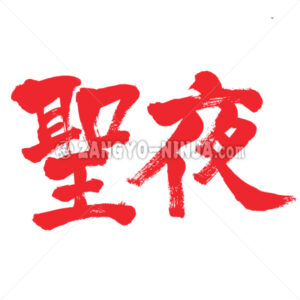
Christmas Eve is December 24. the day before Christmas. Christmas Eve is the day that, according to modern calendars, contains the evening, or first evening, of Christmas, a widely celebrated festival commemorating the birth of Jesus of Nazareth. It is a culturally significant celebration for most of the Western world and is widely observed … Read More

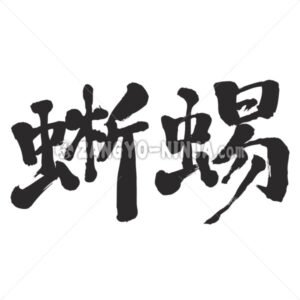
1. relatively long-bodied reptile with usually two pairs of legs and a tapering tail. 2. a man who idles about in the lounges of hotels and bars in search of women who would support him. Japanese says To-kage.
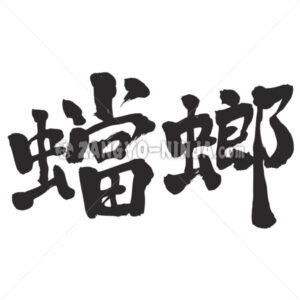
predacious long-bodied large-eyed insect of warm regions. Any of various large insects of the order Mantodea that catch insects or other small animals with their powerful forelegs. Japanese says Kama-kiri.

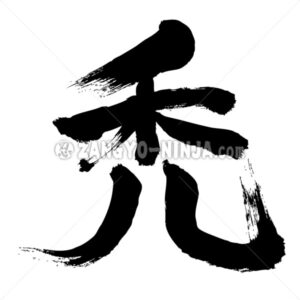
This is two means and to read. 1. Hage >> A bald spot, a bald head. 2. Kamuro >> Bobbed hair. It is a reading which Japanese people do not know very much.

1. To chant with feelings of celebration and joy. Often accompanied by vigorous raising of both hands. It also refers to the action. 2. Happy things. Words that celebrate longevity and long-lasting prosperity. 3. To surrender after losing a battle or competition. In baseball, when a fielder raises his hands to catch a fly … Read More

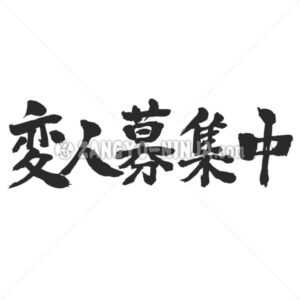
(I’m, We are)looking for (a kooky, an eccentric person, an eccentric, an odd fellow, a queer fish a crank). Japanese says Hen-jin-bo-shu-chu.