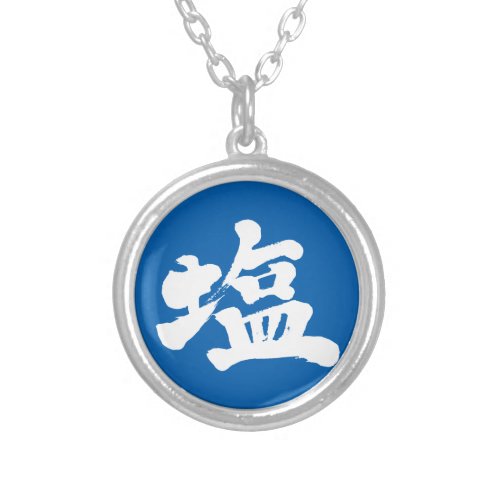
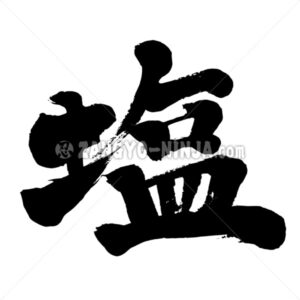
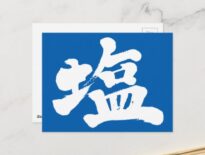
white crystalline form of especially sodium chloride used to season and preserve food.
In Japan, sending salt means “dare to help an enemy in a difficult situation” and “seek long-term profits and reasons rather than immediate gains and losses.”
Japanese says shio.
Related Designed items
-
[Kanji] Ukraine Silver Plated Necklace
[Kanji] Ukraine Silver Plated Necklace a republic in southeastern Europe. Ukrainskaya Sovietskaya Sotsialisticheskaya Respublika. In addition, in a large agricultural country, wheat, corn,…

-
[Hiragana] happy birthday Silver Plated Necklace
[Hiragana] happy birthday Silver Plated Necklace Japanese says o-ta-n-jo-bi-o-me-de-to-u.
-
[Kanji] salt Postcard
[Kanji] salt Postcard white crystalline form of especially sodium chloride used to season and preserve food. In Japan, sending salt means "dare to…
-
[Kanji] salt Coaster
[Kanji] salt Coaster white crystalline form of especially sodium chloride used to season and preserve food. In Japan, sending salt means "dare to…
-
[Kanji] salt Keychain
[Kanji] salt Keychain white crystalline form of especially sodium chloride used to season and preserve food. In Japan, sending salt means "dare to…
-
[Kanji] salt Neck Tie
white crystalline form of especially sodium chloride used to season and preserve food. In Japan, sending salt means "dare to help an enemy…
-
[Kanji] salt Button
[Kanji] salt Button white crystalline form of especially sodium chloride used to season and preserve food. In Japan, sending salt means "dare to…
-
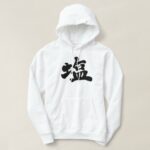
[Kanji] salt Hoodie
white crystalline form of especially sodium chloride used to season and preserve food. In Japan, sending salt means "dare to help an enemy…
Related Works (Trial jpg is FREE!)

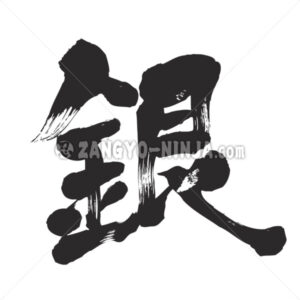
silver in Kanji
by Aokage variable Explanation of Silver It belongs to the 11th group of the periodic table, and its…
salt in Kanji
by Aokage variable white crystalline form of especially sodium chloride used to season and preserve food. Japanese says…
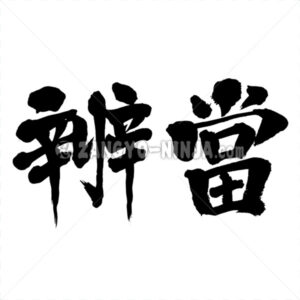
Bento in Kanji as old character form
by Aokage variable Generally, it is a portable meal consisting of rice and side dishes in a container…
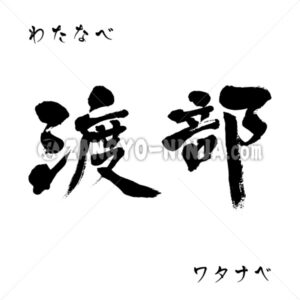
Watanabe in Kanji, Katakana and Hiragana
by Aokage variable Origin of Watanabe The clan traces its ancestry to Watanabe no Tsunemori (Minamoto no Tsunemori),…
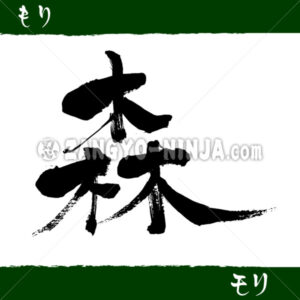
Mori means forest in Kanji, Hiragana & Katakana
by Aokage variable This word has two main uses. One is to mean “forest.” There is a kanji…
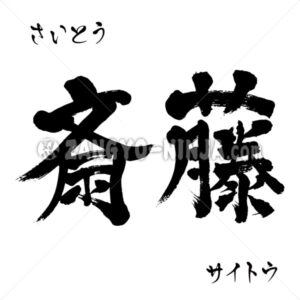
Saito in Kanji, Katakana and Hiragana
by Aokage variable One of the common surnames in Japanese. Its origin dates back to the Heian period…
Nakano in Kanji, Katakana and Hiragana
by Aokage variable It is one of Japan's surnames. Approximately 17,000 Japanese people bear the Nakano surname. This…
Nakano in Kanji, Katakana and Hiragana
by Aokage variable Name of one of Tokyo's 23 wards A special ward located in the western part…