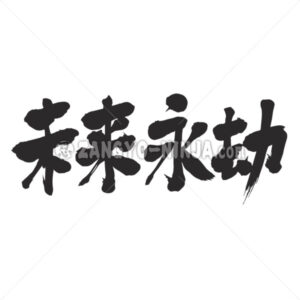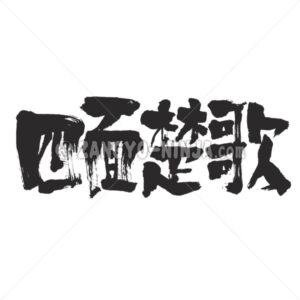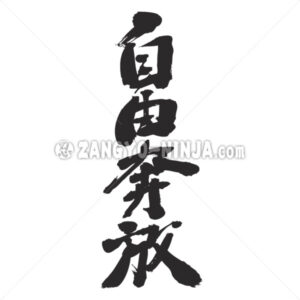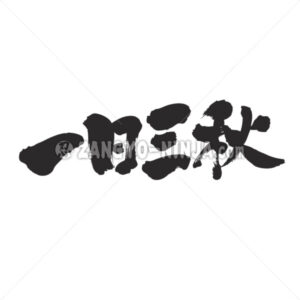

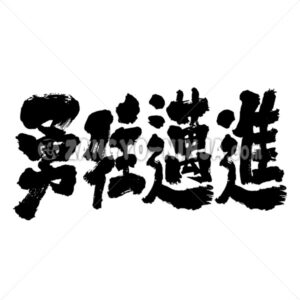
This is a representative Japanese cheer phrase. It means to advance boldly and straight ahead, referring to moving forward wholeheartedly and without hesitation toward one’s goal. “勇往” (yūō) means to advance without hesitation. “邁進” (maishin) means to advance rapidly and fearlessly. In Japanese, similar meanings are sometimes expressed by stringing together different kanji (or … Read More
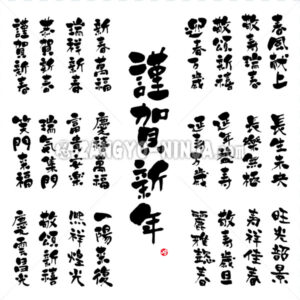
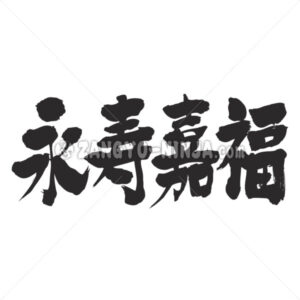
Handwritten and designed greetings for 25 types of New Year’s cards in Kanji. There are 2- and 4-character New Year’s greetings, which are words that are also used as 4-character phrases. (Some of them are not idioms and are not found in dictionaries.) Four-letter New Year’s greeting cards are considered to be used not … Read More
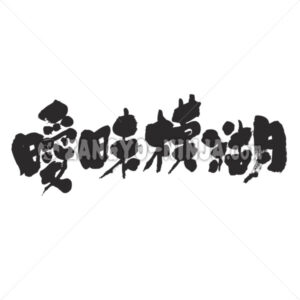
Description for Obscure as four-letter idioms It’s a word used when you’re in an ambiguous state and you’re not sure what you mean. For example, it is used when you are not sure whether a romance is about to start or whether you are just getting along as friends. Japanese said “Aimai-moko” as four … Read More
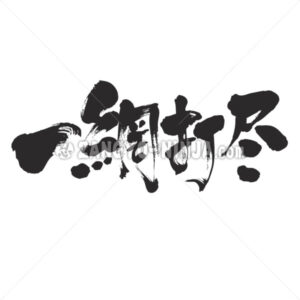
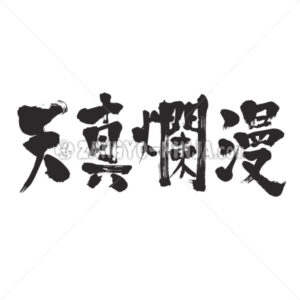
Explanation of simple and innocent An expression that means innocent and unpretentious. The innocent “天真” means the nature of nature. “爛漫” means shining. The origin of the word is said to be the expression originally used to describe a flower painting as a “no-frills fine work”. Basically, it is used as a compliment with … Read More
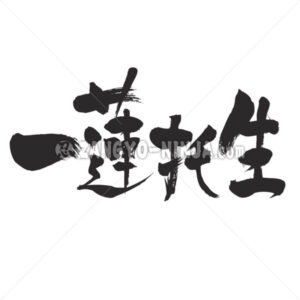
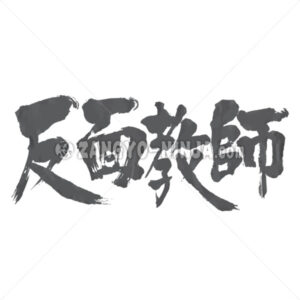
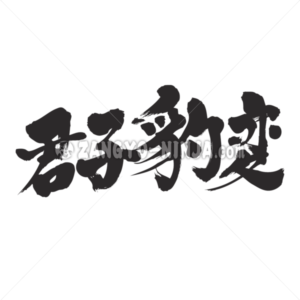
Nowadays, it is used in a negative way, saying, “A person who has a good point will immediately change his attitude and abandon his principles and ideas.” However, originally, it is a positive four-character idiom that “a good person immediately corrects his mistakes and quickly goes for the better.” Japanese calls Kun-shi-hyo-hen.
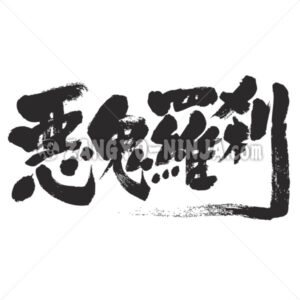
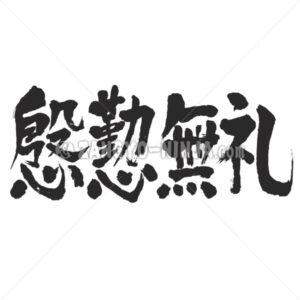
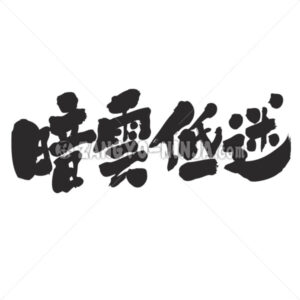
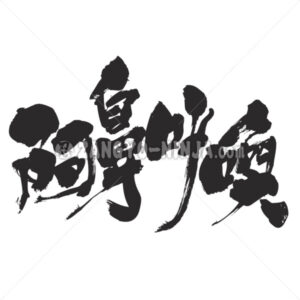
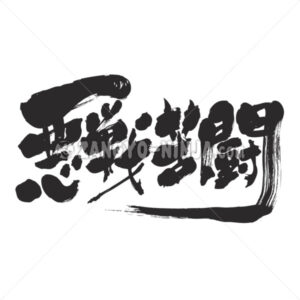
A man/woman who crying in extreme pain and seeking salvation. Very miserable and ugly. The situation was such that the deceased fell into hell and could not bear the torment and cried out loud. Annoying hell and screaming hell in Buddhism. Both are one of the eight great hells. It may also refer to … Read More