

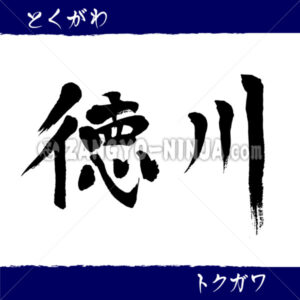
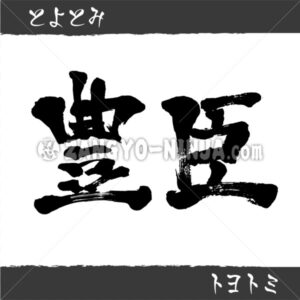
A daimyo family of the Azuchi-Momoyama period. It began when Hideyoshi was appointed Grand Minister of State in 1586 and granted the Toyotomi surname. History of the Toyotomi Clan Hideyoshi, originally from the Kinoshita clan of Owari Province, became a senior retainer of Oda Nobunaga and changed his surname to Hashiba in 1573 (Tenshō … Read More
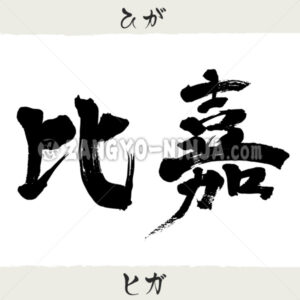
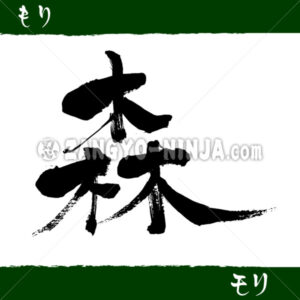
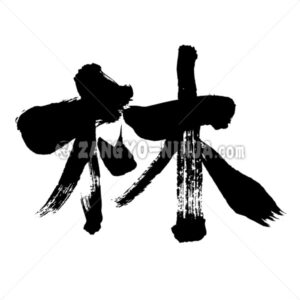
This word has two main uses. One is to mean “forest.” There is a kanji character using the character for “Ki” (木) that means “Hayashi” (林). Both “森” and ‘林’ mean “forest,” but those who realize that the different kanji characters actually mean different things are very astute. In Japanese, “林” refers to a … Read More
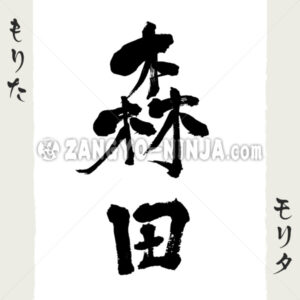
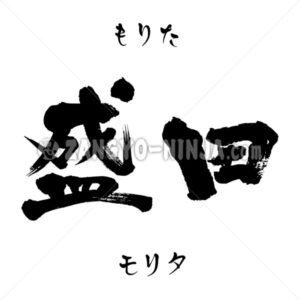
Hello, Mr. Morita. This is an explanation of the origin of the surname Morita, which is shared by your ancestors and friends. Found nationwide, particularly common in Aomori, Toyama, and Tottori Prefectures. Shared lineage with the Morita clan. Derived from the auspicious character “盛” (prosperity) and “田” (field). The Morita family of Aomori Prefecture: … Read More
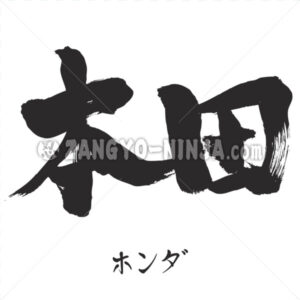
Honda is the 130th common Japanese surname. Hello, Mr. Honda. This is an explanation of the origin of the surname Honda, which is shared by your ancestors and friends. Topography. From the main rice field. It was located in the eastern part of Kagoshima Prefecture (formerly Osumi Province) during the Nanbokucho Period. It is … Read More
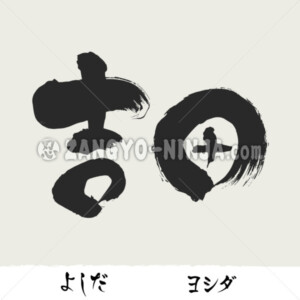
Hello, Mr. Yoshida. This is an explanation of the origin of the surname Yoshida, which is shared by your ancestors and friends. There are two main theories regarding the origin of the name: one is based on the place name, and the other is derived from “Yoshida,” which refers to rice fields with positive … Read More
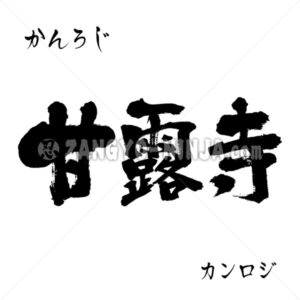
This is an explanation of Kanroji in Japan. It’s not just about name of the anime’s character. It is an extremely rare surname, with only a few dozen people bearing it nationwide today. Its origin is said to stem from the clan (Fujiwara clan) granted by Emperor Tenji to Nakatsukasa no Kamatari, also known … Read More
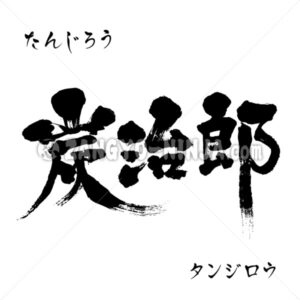
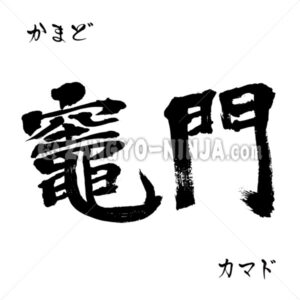
Kamado is one of the Japanese family name. The “Kamado” isn’t just a character from the manga or anime. This surname is extremely rare and uncommon, with only about 10 people bearing it in Japan. The protagonist of the manga Demon Slayer, Kamado Tanjiro, shares this surname. What is the origin of Kamado? Places … Read More
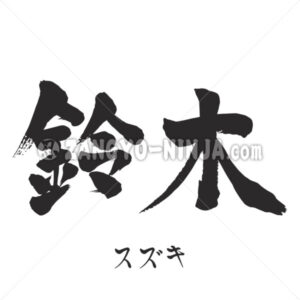
Hello, Mr. Suzuki. This is an explanation of the origin of the surname Suzuki, which is shared by your ancestors and friends. Suzuki is said to be the second most common surname in Japan. Originating from Kii Province (Wakayama Prefecture), it began when the Hozumi clan, who served as Shinto priests in Shingu City, … Read More
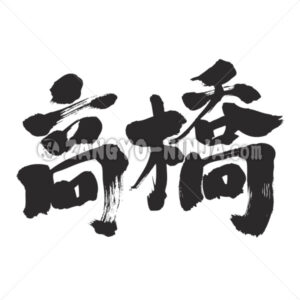
Hello, Mr. Takahashi. This is an explanation of the origin of the surname Takahashi, which is shared by your ancestors and friends. The surname Takahashi is derived from the place name “Takahashi” in various parts of the country. “Takahashi” means “the edge of a hill” or “a high bridge”, and it was named as … Read More
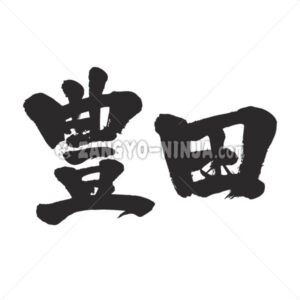
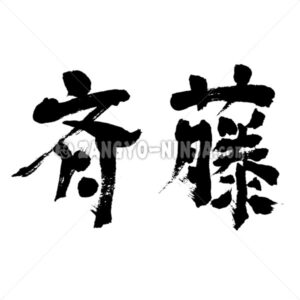
Hello, Mr. Saito. This is an explanation of the origin of the surname Saito, which is shared by your ancestors and friends. Saito is the 19th most common Japanese surname. Since Mr. Fujiwara’s family, Mochinobu, was the secretary of the “Saigu-ryo” of the government office near Ise Jingu, “Saigu-ryo” It is said that it … Read More
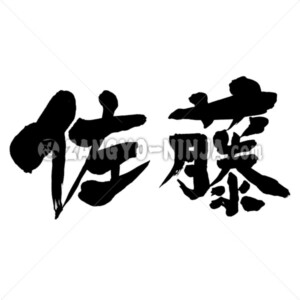
Hello, Mr. Sato. This is an explanation of the origin of the surname Sato, which is shared by your ancestors and friends. The surname Sato is said to have started with the gift of Kamatari Nakatomi (Mr. Fujiwara) from Emperor Tenchi, and the name of Sato by the descendant of Hidesato Fujiwara, Kinkiyo Saemonnojo. … Read More
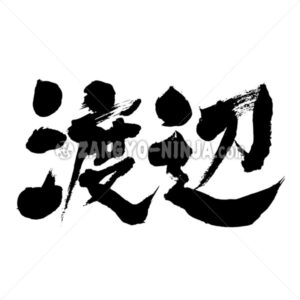
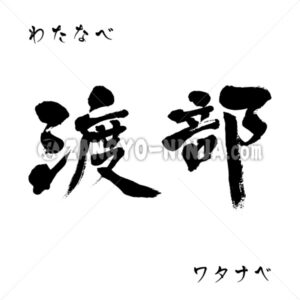
Hello, Mr. Watanabe. This is an explanation of the origin of the surname Watanabe, which is shared by your ancestors and friends. Watanabe is the 6th most common Japanese surname. There are many variations of the Watanabe surname, and this kanji form of Watanabe is the most common in Japan.
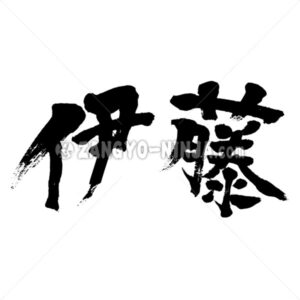
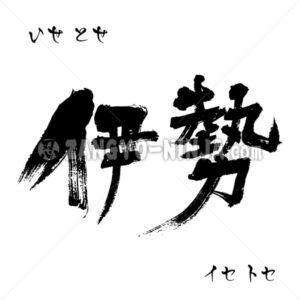
Ise is one of the regional names. It is an abbreviation for Ise Province (Ise no Kuni), one of the ancient provincial divisions of Japan under the Ritsuryō system. It corresponds to most of present-day Mie Prefecture. It has been developed since ancient times as the location of Ise Grand Shrine. Ise is also … Read More
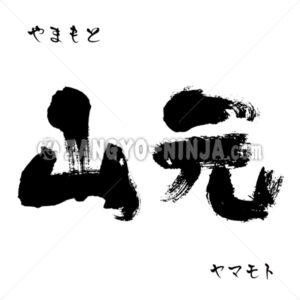
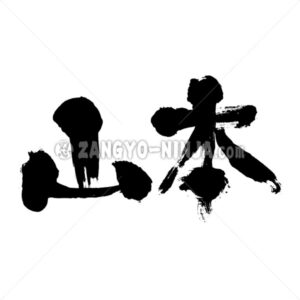
Hello, Mr. Yamamoto. This is an explanation of the origin of the surname Yamamoto, which is shared by your ancestors and friends. It refers to the “foot of the mountain” and is named as a place name in such a place. And the house that settled in the Yamamoto place name gave the surname … Read More
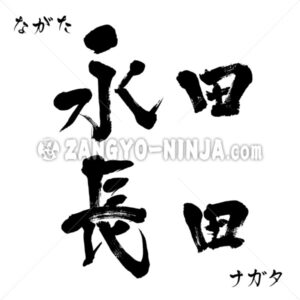
Hello, Mr. Nagata. This is an explanation of the origin of the surname Nagata, which is shared by your ancestors and friends. Their origins seem to differ depending on the era and location. Origin of this surname It is generally thought to derive from words meaning “endlessly spreading rice fields” or “long rice fields,” … Read More
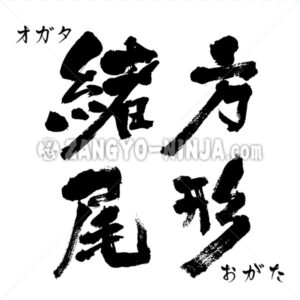
Hello, Mr. Ogata. This is an explanation of the origin of the surname Ogata, which is shared by your ancestors and friends. Their origins seem to differ depending on the era and location. Origin of this surname Originating from Ogata-cho, Bungo-Ono City, Oita Prefecture. A place name recorded during the Nara period. It is … Read More