
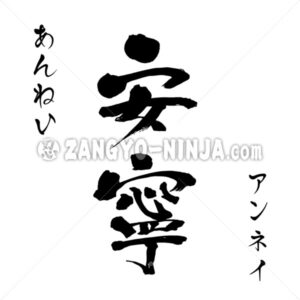
“An’nei” is an expression that refers to a state of peace and tranquility. It can describe a person’s sense of calm, or it can describe a society that is maintained in a state of peace. Etymology and Meaning of the Kanji The character “安” in “安寧” is also read as “yasuraka” and carries the … Read More
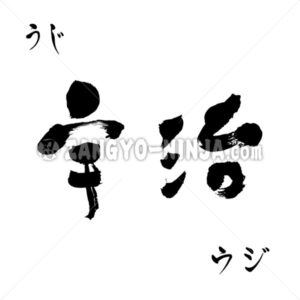
“Uji” primarily refers to a place name in southern Kyoto Prefecture, but it also has ancient official and historical meanings. Place Name/City Name in Kyoto Prefecture (Most Common) It is the name of a city located in southern Kyoto Prefecture. The Uji River flows through the area, and it is famous for the World … Read More
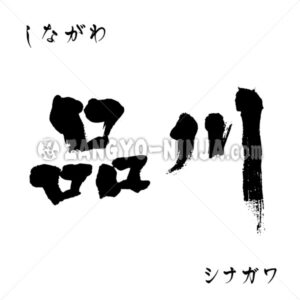
Abbreviation for Shinagawa Station (Shinagawa-eki) This major terminal station serves as the southern gateway to Tokyo. It is served by the Shinkansen, JR conventional lines, and the Keikyu Line, and offers excellent access to Haneda Airport. Actually, it’s not in Shinagawa Ward: Although it is Shinagawa’s flagship station, it is located not in Shinagawa … Read More
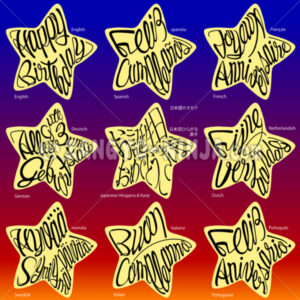
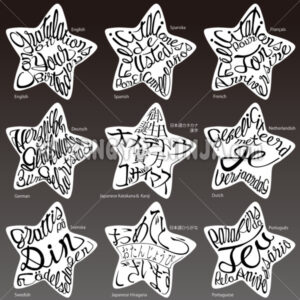
This annual celebration into a star-shaped typographic design. The phrase “Happy Birthday” is arranged in typography to form a star shape and has been translated into English, Spanish, French, Japanese, German, Dutch, Norwegian, Portuguese, and Italian. Explanation regarding Japanese. Of these nine languages, the one in the center is in Japanese. This is written … Read More
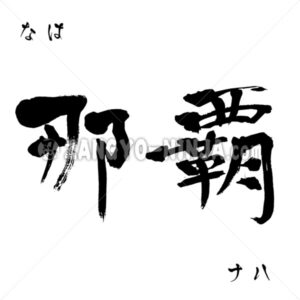
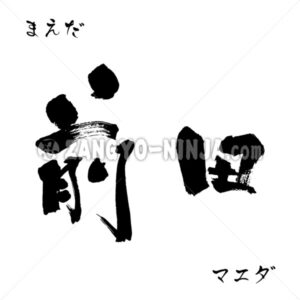
Hello, Mr. Maeda. This is an explanation of the origin of the surname Maeda, which is shared by your ancestors and friends. This surname derives from a place name that refers to the geographical location or relationship of “rice fields in front of buildings”—specifically, the rice fields in the foreground of a vast paddy … Read More
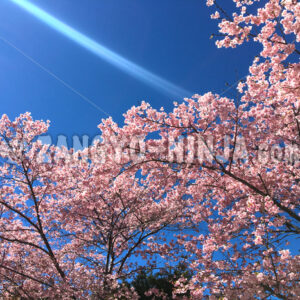
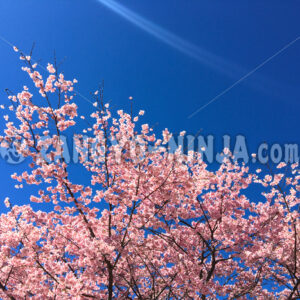
This is a beautiful photo that captures the striking contrast between the cloudless blue sky and the pink cherry blossoms. Whether it’s the trail left by a passing breeze or the tail of a dragon flying through the sky, a slightly curved streak of light has been captured, giving the image a divine quality. … Read More
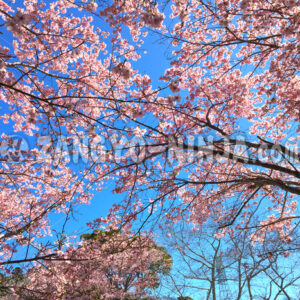
When it comes to Japan’s most iconic flower, it’s the cherry blossom. This photo beautifully captures the contrast between the cherry blossoms and the blue sky. Note that these are not Somei-Yoshino cherry blossoms, but rather Kawazu cherry blossoms, a variety that blooms earlier than Somei-Yoshino.
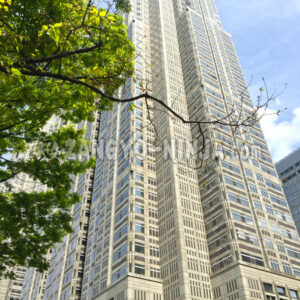
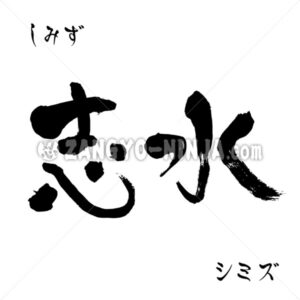
Hello, Mr. Shimizu. This is an explanation of the origin of the surname Shimizu, which is shared by your ancestors and friends. This surname originated from place names containing the characters for “clear water” (清水) or “spring water” (志水) found throughout the country. It derives from the idea of a place where clear water … Read More
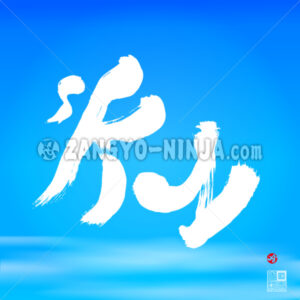
Description of this sky As stated in the title, it is written as “sky” in calligraphy, but it is also written as “空” (sky). “sky” is intentionally written in this position, at this size, and with this angle. ‘空’ is generally the kanji representing the space above the horizon, but the gas “air” that … Read More

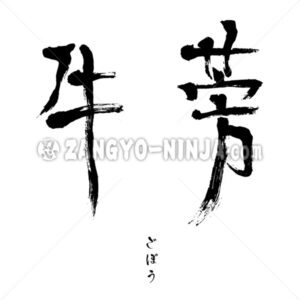
It’s not a tree root. What is burdock? A biennial plant in the Asteraceae family. Primarily consumed for its long, elongated root, it’s a uniquely Japanese vegetable rarely used outside Japan. It looks like a tree root. However, recent research has revealed several things. It is not highly nutritious, but it is rich in … Read More
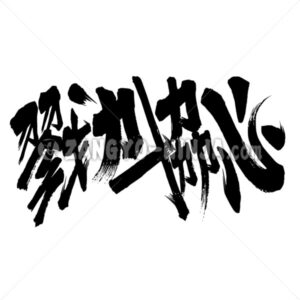
This four-character idiom is used as a team cheer or slogan. It signifies uniting hearts and joining forces toward a common goal. Split into two words, the four characters mean: “Rikuryoku” (戮力) means joining forces. “Kyoshin” (協心) means to unite hearts. The first characters of each, “戮” and “協,” both convey the meaning of … Read More
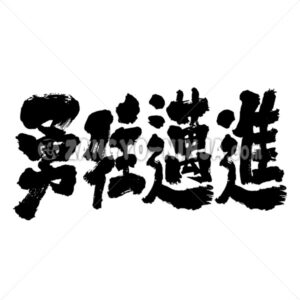
This is a representative Japanese cheer phrase. It means to advance boldly and straight ahead, referring to moving forward wholeheartedly and without hesitation toward one’s goal. “勇往” (yūō) means to advance without hesitation. “邁進” (maishin) means to advance rapidly and fearlessly. In Japanese, similar meanings are sometimes expressed by stringing together different kanji (or … Read More
What kind of country is Saudi Arabia? Saudi Arabia is a vast country occupying 80% of the Arabian Peninsula, with most of its land being desert. It shares borders with countries such as Jordan, Iraq, Kuwait, Bahrain, Qatar, the United Arab Emirates, Yemen, and Oman. It holds world-leading reserves and production levels of oil, … Read More
New Zealand is an island nation located southeast of the Australian continent and is a self-governing member of the Commonwealth of Nations. Its capital is Wellington. In the Māori language, it is called Aotearoa. The South Island and North Island are separated by the narrow Cook Strait. The New Zealand Alps traverse both islands, … Read More
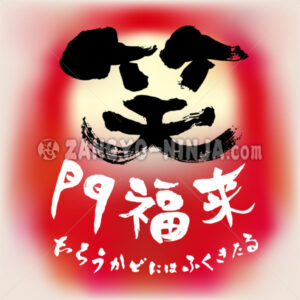
Happiness naturally comes to homes filled with laughter. This phrase originates from the proverb “Wa ra u ka do ni ha fu ku ki ta ru” (laughter brings good fortune), meaning that happiness naturally comes to households where smiles never cease. The hiragana text below this work corresponds to that proverb. Regarding the kanji … Read More
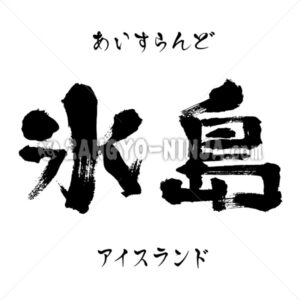
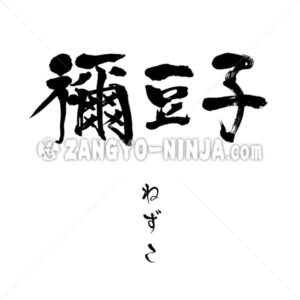
One of the names for Japanese women In Japan, names ending with characters like “子 (ko), 美 (mi), or 恵 (e)” are almost always female, though there are exceptions. Until the Showa era, names ending with “子” were common for women, but from the end of Showa through Heisei, such names became less frequent. … Read More