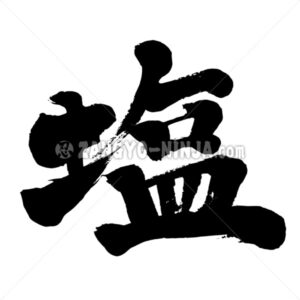
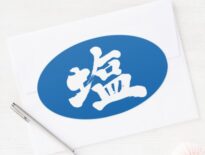
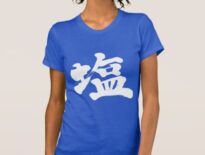
In Japan, sending salt means “dare to help an enemy in a difficult situation” and “seek long-term profits and reasons rather than immediate gains and losses.”
Japanese says shio.
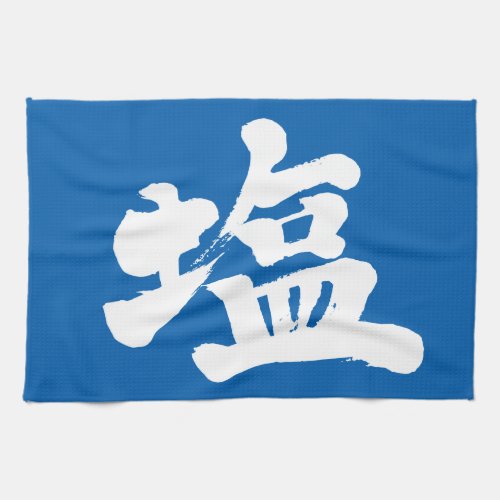
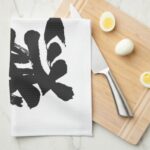
[Kanji] salt Kitchen Towel
Related Designed items
-
[Kanji] vanity Kitchen Towel
[Kanji] vanity Kitchen Towel the property of not existing for indefinitely long durations Japanese says Mu-Jou.
-
[Kanji] strongest Kitchen Towel
[Kanji] strongest Kitchen Towel The strongest thing. A superlative word that expresses "strength." It is in the strongest state by comparing and competing…

-
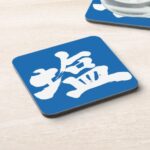
[Kanji] salt Coaster
[Kanji] salt Coaster white crystalline form of especially sodium chloride used to season and preserve food. In Japan, sending salt means "dare to…
-
[Hiragana + Kanji] taste of home cooking Towel
[Hiragana + Kanji] taste of home cooking Towel mom's home cooking. taste of mom's cooking. food like mom used to make. Japanese says…
-
[Kanji] salt Postcard
[Kanji] salt Postcard white crystalline form of especially sodium chloride used to season and preserve food. In Japan, sending salt means "dare to…
-
[Kanji] salt Keychain
[Kanji] salt Keychain white crystalline form of especially sodium chloride used to season and preserve food. In Japan, sending salt means "dare to…
-
[Kanji] salt Button
[Kanji] salt Button white crystalline form of especially sodium chloride used to season and preserve food. In Japan, sending salt means "dare to…
-
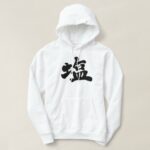
[Kanji] salt Hoodie
white crystalline form of especially sodium chloride used to season and preserve food. In Japan, sending salt means "dare to help an enemy…
Related Works (Trial jpg is FREE!)

salt in Kanji
by Aokage variable white crystalline form of especially sodium chloride used to season and preserve food. Japanese says…
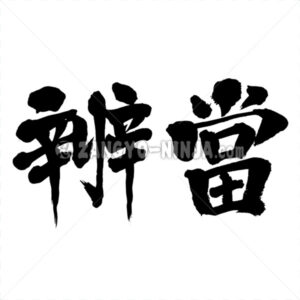
Bento in Kanji as old character form
by Aokage variable Generally, it is a portable meal consisting of rice and side dishes in a container…
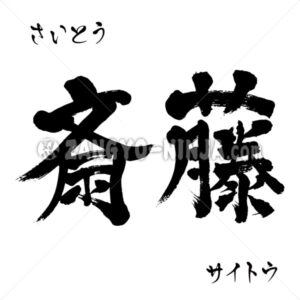
Saito in Kanji, Katakana and Hiragana
by Aokage variable Hello, Mr. Saito. This is an explanation of the origin of the surname Saito, which…
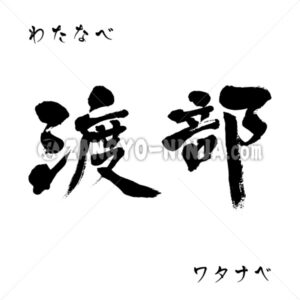
Watanabe in Kanji, Katakana and Hiragana
by Aokage variable Hello, Mr. Watanabe. This is an explanation of the origin of the surname Watanabe, which…
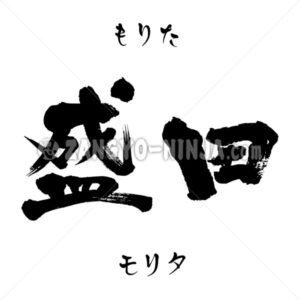
Morita in Kanji, Hiragana and Katakana
by Aokage variable Hello, Mr. Morita. This is an explanation of the origin of the surname Morita, which…
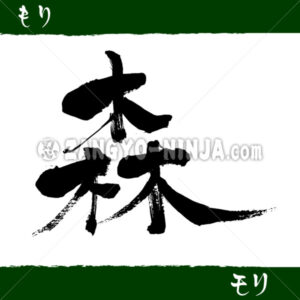
Mori means forest in Kanji, Hiragana & Katakana
by Aokage variable This word has two main uses. One is to mean “forest.” There is a kanji…
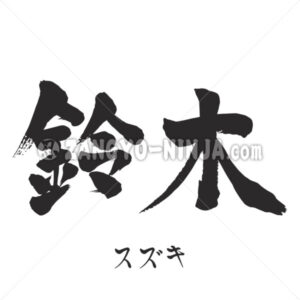
SUZUKI in Kanji and Katakana as Japanese family name
by Aokage variable Hello, Mr. Suzuki. This is an explanation of the origin of the surname Suzuki, which…
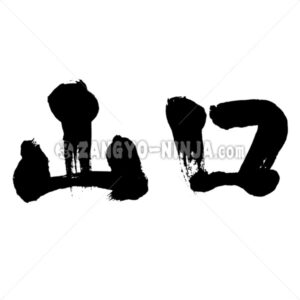
Yamaguchi in Kanji
by Aokage variable Yamaguchi has various meanings. Meaning of Yamaguchi as a noun The entrance to a mountain.…

![[Kanji] strongest Kitchen Towel](https://www.zangyo-ninja.com/wp-content/uploads/kanji_strongest_kitchen_towel-white_8byvr_1024-150x150.jpg)
![[Hiragana + Kanji] taste of home cooking Towel](https://www.zangyo-ninja.com/wp-content/uploads/kana_kanji_taste_of_home_cooking_towel-rd12223a0efc2435d8ff75ffab0bd8b17_2cf11_8byvr_500-150x150.jpg)