

The surname of the shogunal family of the Edo shogunate, which lasted for approximately 260 years. Originally a local lord in Matsudaira Village, Kamo District, Mikawa Province, who used the Matsudaira surname, but changed it to Tokugawa during Ieyasu’s time. The Edo Shogunate began in 1603 (Keichō 8) when Tokugawa Ieyasu established it, and … Read More
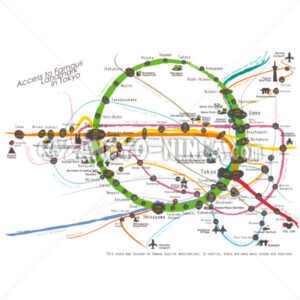
This work is a brush-style work of the lines (train and subway) to the famous landmarks of Tokyo. There are so many lines in Tokyo. The routes and transfer stations for going to the landmarks are listed. The file(vector ai file)is divided into layers by line, station name and station number for each layer. … Read More
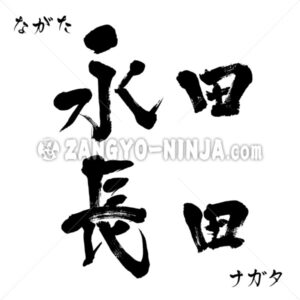
Hello, Mr. Nagata. This is an explanation of the origin of the surname Nagata, which is shared by your ancestors and friends. Their origins seem to differ depending on the era and location. Origin of this surname It is generally thought to derive from words meaning “endlessly spreading rice fields” or “long rice fields,” … Read More

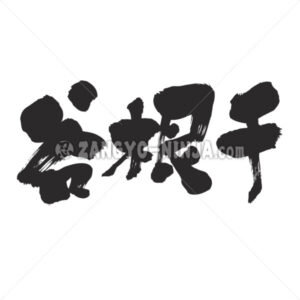
Description for Yanesen area The three neighbourhoods, Yanaka(谷中), Nezu(根津) and Sendagi(千駄木) are collectively called Yanesen. Yanesen refers to the Yanaka / Nezu / Sendagi area. Located in Bunkyo Ward and Taito Ward, near the center of Tokyo’s 23 wards, it is a part of the so-called “Yamanote”, but it still retains the atmosphere of … Read More
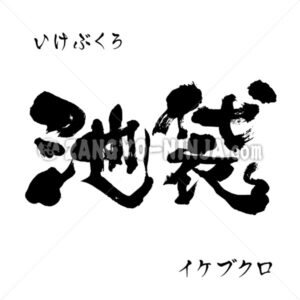
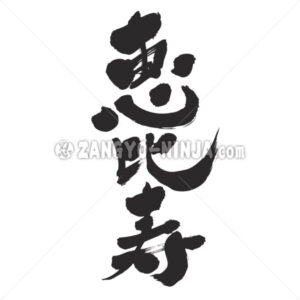
1. Ebisu is a famous place name in Tokyo Ebisu is a neighborhood in Shibuya, Tokyo, Japan. Conveniently near Roppongi and central Shibuya, Ebisu is easily accessed by the JR Yamanote and Hibiya lines via Ebisu Station. Together with the trendy neighboring communities of Daikanyama and Hiroo, it has boutiques, vintage stores and patisseries … Read More

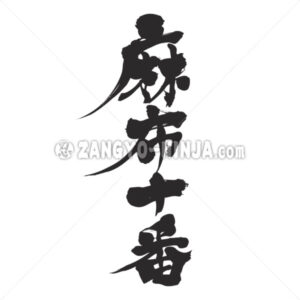
Description for Azabu Juban town Azabu-Juban is a lively residential area in central Tokyo. With a mixture of Japanese shops, restaurants and bars. The convenience of several supermarkets central location and the proximity of Hiroo and Roppongi make it one of the more trendy and sought after residential areas of Tokyo. The main street, … Read More
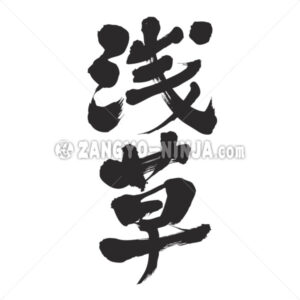
Description for Asakusa town Asakusa is a town centered around Senso-ji Temple, home to the Kaminarimon (Thunder Gate), and attracts many tourists from Japan and abroad. Located in central Tokyo, the area is popular for its convenient accessibility and traditional retro atmosphere. Characteristics of Asakusa It is popular as a place where history, tradition, … Read More
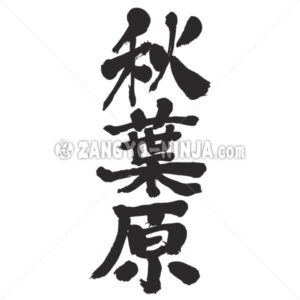
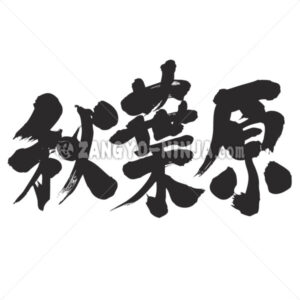
Description for Akihabara town Akihabara is an area name that refers to the area around JR Akihabara Station in Chiyoda-ku, Tokyo. It is known as one of the largest electric towns in Japan. History and etymology of Akihabara (Akiba) During the Edo period, it was the area where lower samurai lived. As it was … Read More

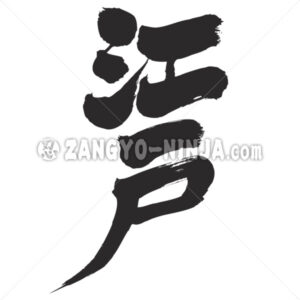
Description for period of Edo in Japan The predecessor of Tokyo, now one of the largest cities in the world and the center of Japan’s politics, economy, and culture, was Edo. Edo was the seat of the Tokugawa clan for 279 years, from 1590 to 1868, and was the political center of the Edo … Read More
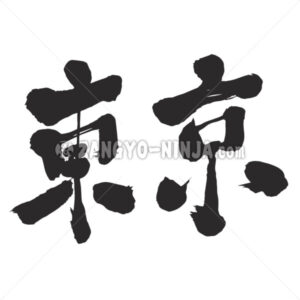
Description for Tokyo prefecture the capital and largest city of Japan. east(東) capital(京). The capital of Japan, which occupies the southwestern part of the Kanto region. Renamed Edo to Tokyo during the Meiji Restoration. In 1889, the city of Tokyo became Tokyo City in the 15th ward, and after the Great Kanto Earthquake, the … Read More
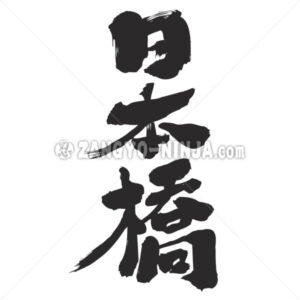
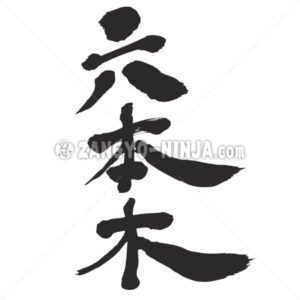
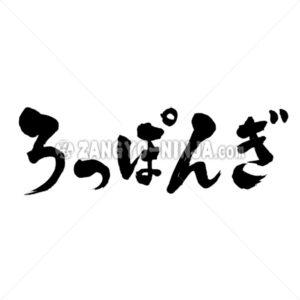
Description for Roppongi area The name of a town in central Minato-ku, Tokyo. In a narrow sense, it refers to the area around the intersection of Aoyama-dori and Gaien Ura-dori. The area used to be a high-class residential area with foreign diplomatic missions, but after the war, restaurants, nightclubs, and various specialty stores were … Read More
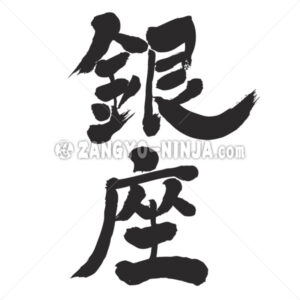
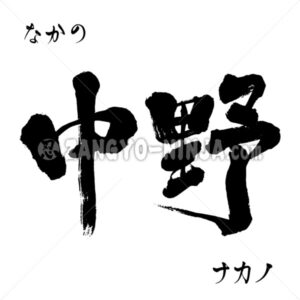
Name of one of Tokyo’s 23 wards A special ward located in the western part of Tokyo’s central area. It borders Shinjuku Ward to the east, Suginami Ward to the west, Nerima Ward to the north, and Shibuya Ward to the south. Centered around Nakano Station on the JR Chuo Line, it features a … Read More